


Artificial intelligence has crossed from capital spending to revenue generation, with hyperscaler earnings confirming the shift.
Artificial intelligence has crossed from capital spending to revenue generation, with hyperscaler earnings confirming the shift.
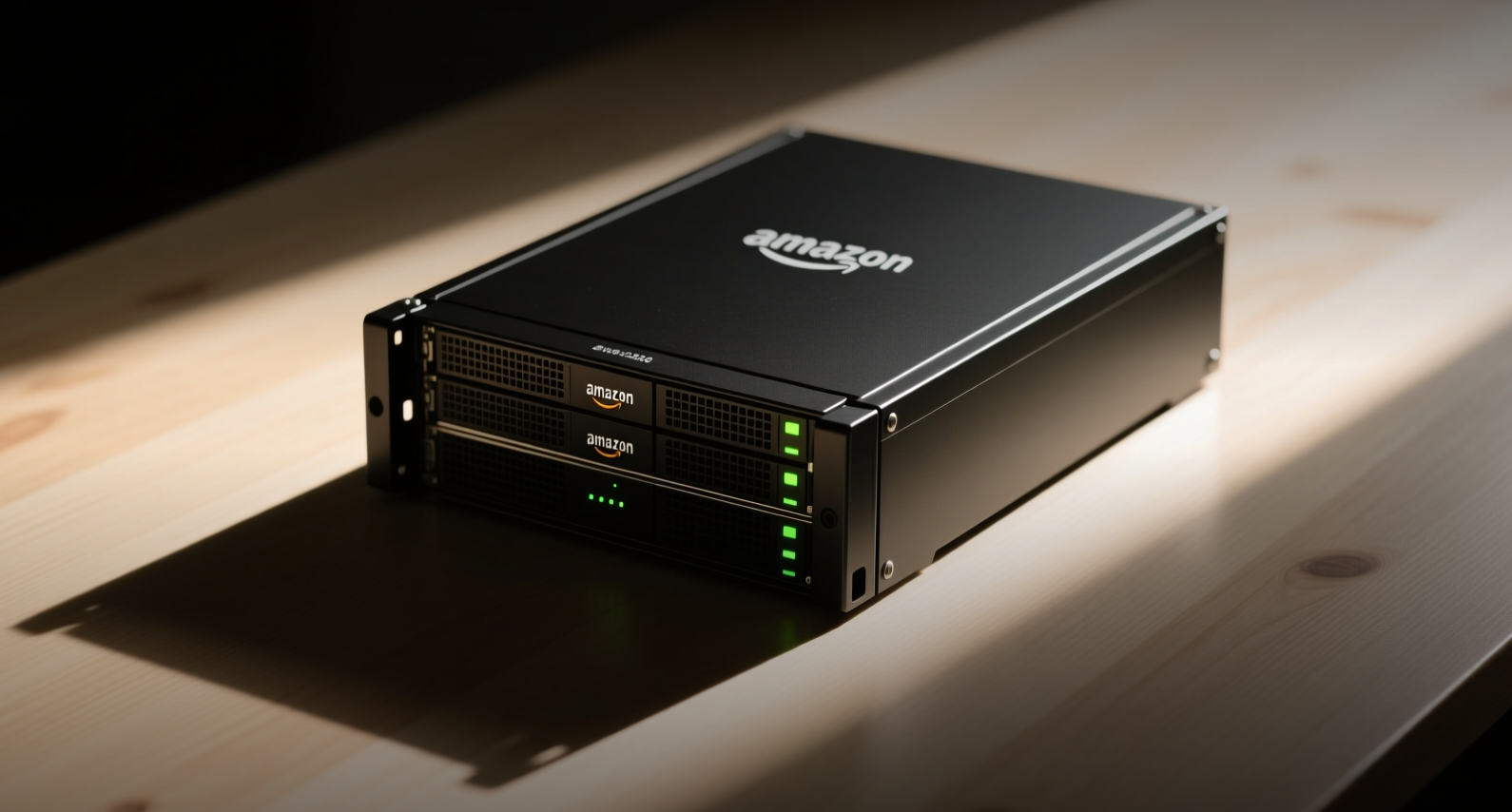
Artificial intelligence has crossed from capital spending to revenue generation, with hyperscaler earnings confirming the shift.
AI has entered its monetization phase as hyperscaler earnings show steady revenue growth, easing investor concerns over record capital spending, Dan Ives, partner and senior managing director at Yorkville Ives, said Thursday.
"We've entered the AI monetization phase," Ives said on CNBC. "The latest tech earnings from hyperscalers and frontier AI labs show steady revenue growth that helps ease investor concerns over massive capital spending."
Amazon's AWS revenue growth accelerated to 37 percent in the second quarter, with total revenue of $200.61 billion beating consensus by $4.16 billion and GAAP EPS of $5.75 topping estimates by $3.92. The company guided Q3 net sales of $197 billion to $202 billion while lifting 2026 cash capital expenditures to about $220 billion. Amazon shares finished 15 percent higher after the report, pushing the company past the $3 trillion market cap threshold.
The monetization narrative carries direct implications for semiconductor valuations, with Ives also discussing Nvidia's financing deal with Wall Street and China's AI strategy. SpaceX has 1.4 gigawatts of AI capacity online and targets 10 gigawatts by next year, with Microsoft potentially writing the check, according to reports.
Amazon's results illustrate the pattern Ives described. The company completed an additional $35 billion tranche of its OpenAI investment, deepening its position as an AI infrastructure enabler. North America e-commerce sales rose 16 percent year over year, showing the retail side of the business is also accelerating. Morgan Stanley analysts said Amazon, Google and Microsoft's extreme AI capex plans still equate to strong returns, and forecast a 29 percent jump in cloud capex in 2027 as compute demand exceeds capacity.
The AWS acceleration marks a departure from the deceleration trend that worried investors through 2024 and 2025. OpenAI's cybersecurity Daybreak models have appeared on AWS, and Ryanair deepened its cloud relationship with a five-year deal for cloud and agentic AI services. These wins suggest the cloud unit is converting AI demand into contracted revenue rather than just capacity commitments. Amazon's Zoox robotaxi unit also received regulatory clearance to run a commercial service, adding another growth vector beyond cloud and e-commerce.
Ives framed semiconductor sector growth against current pricing, a debate that has intensified as Nvidia's financing arrangement with Wall Street drew attention. The question for investors is whether chipmaker valuations can sustain their premium as AI revenue becomes more visible in hyperscaler financials. China's AI strategy adds another layer, with domestic players racing to build alternatives to US-designed chips.
The monetization phase means AI infrastructure spending is now translating into measurable revenue streams. For investors, the key metric is whether hyperscaler operating margins can hold as capex continues to climb. Amazon's operating income performance in Q2 suggests they can, but the $220 billion capex plan for 2026 will test that thesis over the next two years. Julian Lin of Best of Breed Growth Stocks raised his Amazon fair value target to $350 per share, citing higher AWS margin and growth assumptions. Seth Klarman's Baupost Group added to its Amazon position in the second quarter, a signal that institutional investors are aligning with the monetization narrative.
This article is for informational purposes only and does not constitute investment advice.
