

Apollo Global Management ve Blackstone, Anthropic'in yapay zeka hesaplama altyapısını finanse etmek için Broadcom'un kredi garantisiyle desteklenen 36 milyar dolarlık bir borç anlaşması yapılandırıyor.
Apollo Global Management ve Blackstone, Anthropic'in yapay zeka hesaplama altyapısını finanse etmek için Broadcom'un kredi garantisiyle desteklenen 36 milyar dolarlık bir borç anlaşması yapılandırıyor.
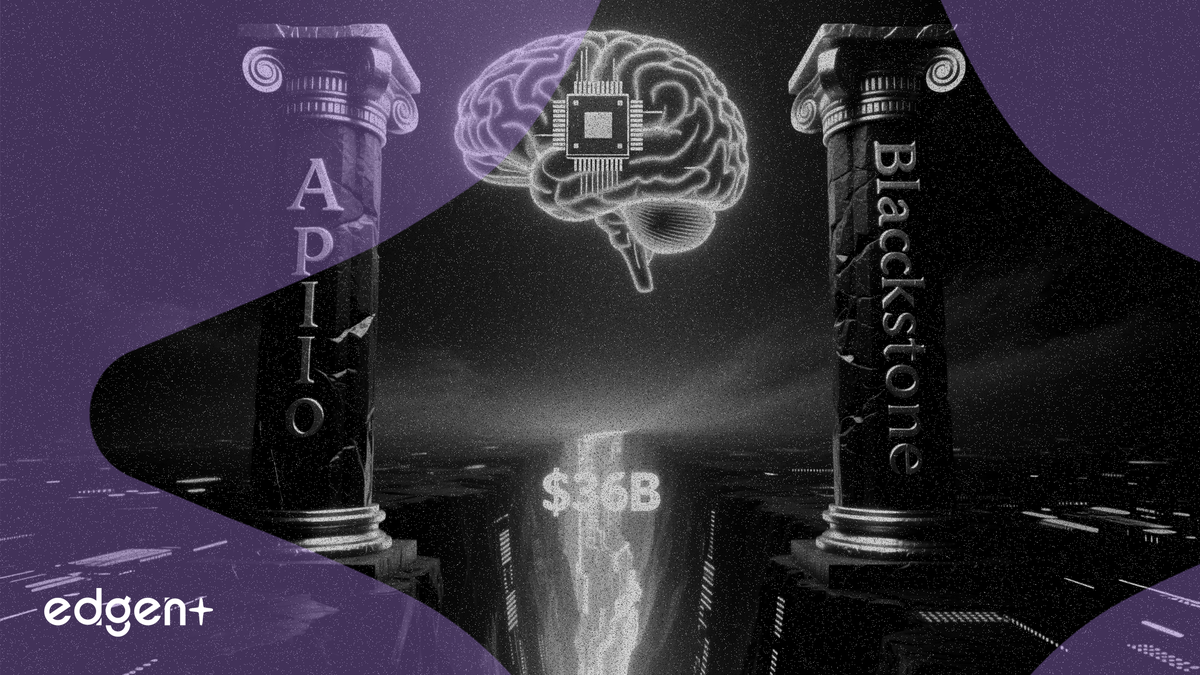
Apollo Global Management ve Blackstone, Anthropic için Google'ın özel TPU çiplerini satın almak üzere 36 milyar dolar borç finansmanı düzenliyor. Bu, şimdiye kadarki en büyük özel kredi işlemlerinden biri ve kayıtlardaki en büyük çip odaklı borç anlaşması olacak.
"Bu, özel kredi piyasalarının yapay zeka altyapısının devasa sermaye gereksinimlerini finanse etmek için nasıl devreye girdiğini gösteren tarihi bir işlem" dedi anlaşma yapısına aşina bir kaynak.
Finansman, Google'ın tensör işlem birimlerinin satın alınmasını finanse edecek ve çipin geliştirilmesine yardımcı olan Broadcom, borcun çoğunu garanti edecek. Anthropic daha sonra çipleri yapay zeka operasyonları için kiralayacak. Şirket yakın zamanda 965 milyar dolar değerleme üzerinden 65 milyar dolar topladı ve bu da iddialarının boyutunu gözler önüne seriyor.
Anlaşma, yapay zekanın hesaplama talebinin sermaye piyasalarını yeniden şekillendirdiğini ve özel kredi devlerinin altyapı finansmanında geleneksel banka kredilerinin yerini aldığını gösteriyor. Anthropic için bu düzenleme, önceden sermaye harcaması olmaksızın on milyarlarca dolarlık bilgi işlem gücüne erişim sağlayarak OpenAI ve diğer rakiplere karşı yarışını potansiyel olarak hızlandırabilir.
36 Milyar Dolarlık Altyapı Bahsi
Bu işlem, bankaların kaldıraçlı kredilerden çekilmesiyle varlıkları 1,5 trilyon doların üzerine çıkan özel kredi piyasası için yeni bir sınırı işaret ediyor. Toplam 2,5 trilyon dolar yönetim altındaki varlığa sahip en büyük iki alternatif varlık yöneticisi olan Apollo ve Blackstone, borçta uygun koşullar elde etmek için Broadcom'un yatırım yapılabilir kredi notunu kullanıyor.
Beşinci neslinde olan Google'ın TPU çipleri, doğrudan Nvidia'nın H100 ve B200 grafik işlem birimleriyle rekabet ediyor. TPU v5p, H100'ün 990 teraflop'una kıyasla tahmini 459 teraflop FP16 performansı sunarken, Google'ın özel mimarisi güç verimliliği ve bulut platformuyla entegrasyon açısından avantajlar sağlıyor. Nvidia'nın veri merkezi geliri son mali yılda 47,5 milyar dolara ulaştı ve bu çiplerin hitap ettiği pazarın büyüklüğünü gösteriyor.
Yatırımcı Çıkarımları
Broadcom için garanti, temel yarı iletken ve yazılım işlerinin ötesinde yapay zeka altyapı büyümesine bağlı yeni bir gelir akışını temsil ediyor. Şirketin hisseleri, yatırımcıların yapay zeka kaynaklı talebi fiyatlamasıyla son bir yılda yüzde 40'ın üzerinde değer kazandı ve hisse senedi, ileriye dönük kazançların yaklaşık 30 katı seviyesinde işlem görüyor.
Anthropic'in agresif bilgi işlem tedarik stratejisi, onu büyük dil modellerinde OpenAI'in hakimiyetine meydan okuyacak bir konuma getiriyor. Şirketin Claude modelleri, MMLU ve HumanEval gibi temel kıyaslamalarda rekabetçi puanlar alırken, ek bilgi işlem kapasitesi yeni nesil sistemlerin gelişimini hızlandırabilir. OpenAI'in 20 milyar doların üzerinde fon topladığı ve Microsoft'tan benzer bilgi işlem taahhütleri aldığı bildiriliyor.
Google için anlaşma, TPU platformuna yönelik büyük talebi kilit altına alarak bulut işini Amazon Web Services ve Microsoft Azure karşısında güçlendiriyor. Düzenleme ayrıca Google'ın halihazırda milyarlarca dolar yatırım yaptığı Anthropic ile stratejik ilişkisini derinleştiriyor.
Apollo ve Blackstone'un, önümüzdeki aylarda kapanabilecek borç finansmanına katılmaları için ek yatırımcıları getirmesi bekleniyor. Anlaşmanın yapısı, sektör genelindeki şirketlerin bilgi işlem genişlemesini finanse etmek için öz sermaye seyreltmesine alternatifler aradığından, gelecekteki yapay zeka altyapı finansmanları için bir şablon görevi görebilir.
Bu makale yalnızca bilgilendirme amaçlıdır ve yatırım tavsiyesi niteliği taşımaz.
