

A revolt by third-party merchants, who account for over 60% of goods sold on Amazon, threatens to disrupt the company's high-margin advertising revenue stream.
A revolt by third-party merchants, who account for over 60% of goods sold on Amazon, threatens to disrupt the company's high-margin advertising revenue stream.
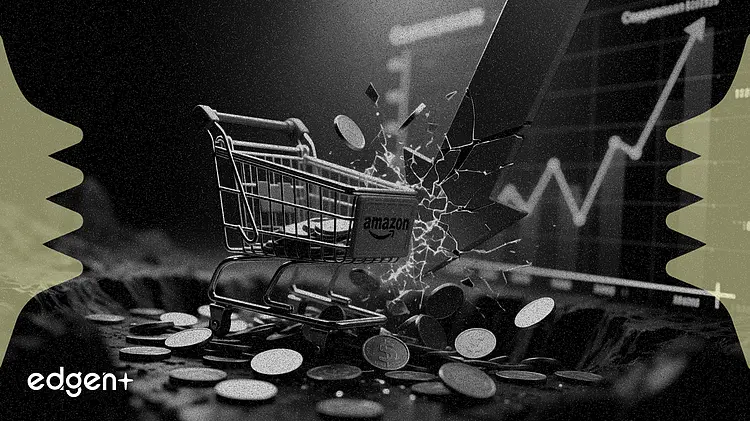
Hundreds of Amazon sellers launched a 24-hour advertising boycott Wednesday to protest three policy changes that merchants claim are squeezing margins and creating a severe cash-flow crunch for the platform's third-party retailers.
"Sellers have complained for years, but this feels different," Eugene Khayman, co-founder of the boycott organizer Million Dollar Sellers, said in a post on X. "The reason is simple: this is no longer just about irritation. It is about cash extraction."
The protest, organized by a group of 700 sellers who collectively generate $14 billion in revenue, targets a new rule that would automatically deduct ad costs from seller proceeds. While Amazon has delayed this change to August 1 from an initial April 15 start, it follows a new 3.5% fuel surcharge and a recent change to delay seller payouts until seven days after delivery.
The dispute highlights growing friction in a segment that generated $52.8 billion in Q4 2025 revenue for Amazon. With third-party sellers now accounting for over 60% of marketplace sales, any sustained unrest could impact the high-margin advertising business and draw further scrutiny from regulators like the FTC, which is already suing Amazon over anticompetitive tactics.
The boycott's central grievance was a policy, announced to a subset of sellers in early April, that would make their account balance the primary payment method for advertising costs. Merchants argued this would eliminate their ability to use credit cards for ad spend—a key source of cash-back rewards and a tool for managing cash flow—and effectively force them to pre-pay for ads from operating capital.
"The majority of sellers, it's, you know, husband and wife teams... they get 3% cash back on their ad spend, which is probably their third-largest expense," Khayman said in an interview. Facing pressure, Amazon announced Tuesday it would defer the change until August 1, 2026, "to give this group of advertisers more time to prepare."
The ad payment issue compounded seller frustration from two other recent changes. In mid-March, Amazon began holding some sellers' sales proceeds for seven days post-delivery, rather than seven days post-shipment, extending the cash cycle. The company also levied a temporary 3.5% fuel and logistics surcharge to offset higher energy costs.
"Combined with the payout delays, this creates MAJOR cash flow crunch," Adam Runquist, founder of e-commerce brand acquirer Heist Labs, wrote in a LinkedIn post. The sentiment was echoed by other sellers, who feel squeezed between rising costs and delayed access to their own revenue. Amazon's average take rate from sellers reportedly first crossed 50% in 2022, according to research by Marketplace Pulse.
While the one-day boycott's financial impact may be minimal, it represents a significant escalation in tensions between Amazon and its third-party "partners." The seller services unit is a critical growth engine for Amazon, with revenue climbing 11% year-over-year in the fourth quarter of 2025. This ecosystem is already under a microscope, with the Federal Trade Commission's 2023 antitrust lawsuit alleging Amazon uses its platform dominance to stifle merchants.
Amazon maintains the policy changes align a small number of sellers with the majority and that its investments in tools and services provide value at a lower cost than alternatives. However, for some long-time merchants, the relationship feels increasingly one-sided. "It's, again, a slap in the face," said Charles Chakkalo, a 15-year Amazon merchant. "A reminder that, 'Hey, wake up, this is not your business. This is your business, subject to my reign.'"
This article is for informational purposes only and does not constitute investment advice.