

Amazon's cloud infrastructure capacity will remain insufficient through 2026 even as the company boosts capital spending, the chief executive said.
Amazon's cloud infrastructure capacity will remain insufficient through 2026 even as the company boosts capital spending, the chief executive said.
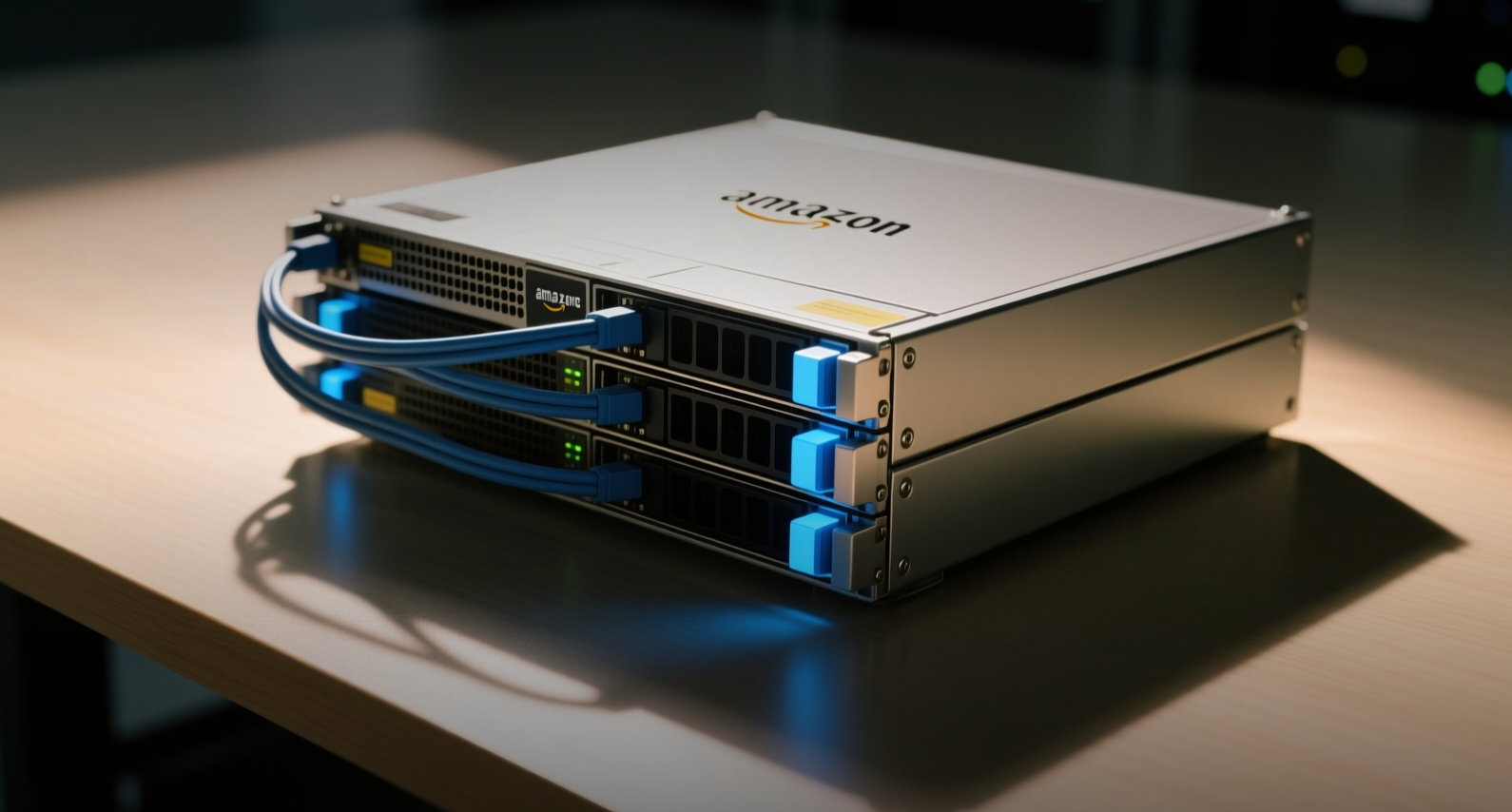
Amazon's cloud infrastructure capacity will remain insufficient through 2026 even as the company boosts capital spending, the chief executive said.
Amazon's cloud-computing capacity will fall short of customer demand through 2026 despite rising capital expenditure, Chief Executive Officer Andy Jassy said, revealing the depth of the AI infrastructure supply crunch.
"Even with increased capital expenditure, we will not have enough capacity to satisfy all the demand we're seeing," Jassy said. The company is investing heavily to expand its data center footprint to support AI workloads.
The capacity constraint is concentrated in Amazon Web Services, the company's cloud division that houses the bulk of its AI computing infrastructure. Amazon has been racing to secure power supply, land and specialized chips — including its own Trainium processors — to build new data centers. The spending push puts Amazon in direct competition with Microsoft Corp. and Alphabet Inc.'s Google, which are also pouring billions into AI infrastructure. Nvidia Corp., the dominant supplier of AI chips, has struggled to keep up with demand, creating a bottleneck across the industry.
The Scale of the Infrastructure Gap
Amazon's capital expenditures have climbed as the company invests in data centers, networking equipment and chips. The company has announced plans for multiple new data center regions across the US, Asia and Europe. Each facility requires hundreds of megawatts of power — enough to supply tens of thousands of homes — and years of construction lead time. The company has not disclosed its exact 2026 capex target.
The capacity gap means Amazon will forgo revenue as enterprises accelerate AI adoption. The supply constraint could push some customers toward rival cloud providers, though the broader industry faces similar limitations. CoreWeave, a GPU-focused cloud provider, recently saw its credit-default swaps hit levels implying a 50% chance of default, according to bond market data, highlighting the financial strain across the AI infrastructure sector.
The shortage also affects Amazon's own AI ambitions. The company is developing large language models and AI services through its Bedrock and SageMaker platforms, which compete with offerings from OpenAI and Anthropic. Without enough compute capacity, Amazon risks falling behind in the AI platform race even as it invests in custom silicon.
What the Shortage Means for Investors
For investors, the capacity shortage confirms that AI infrastructure demand will remain elevated for years. Amazon shares have gained as the market prices in sustained AWS growth. However, the rising capex burden could pressure margins in the near term. The trade-off between growth investment and profitability will be a key focus for analysts covering the stock.
The broader implication is that the AI infrastructure buildout has entered a phase where even the largest hyperscalers cannot build fast enough to meet demand. This dynamic supports pricing power for cloud services and justifies the elevated capex across the sector. For Amazon, the challenge is execution: securing power, chips and construction capacity at a scale no company has attempted before.
This article is for informational purposes only and does not constitute investment advice.
