

Amazon's Zoox became the first company to win US regulatory approval for paid robotaxi service using vehicles without steering wheels or human controls, a milestone that reshapes the competitive landscape of autonomous ride-hailing.
Amazon's Zoox became the first company to win US regulatory approval for paid robotaxi service using vehicles without steering wheels or human controls, a milestone that reshapes the competitive landscape of autonomous ride-hailing.
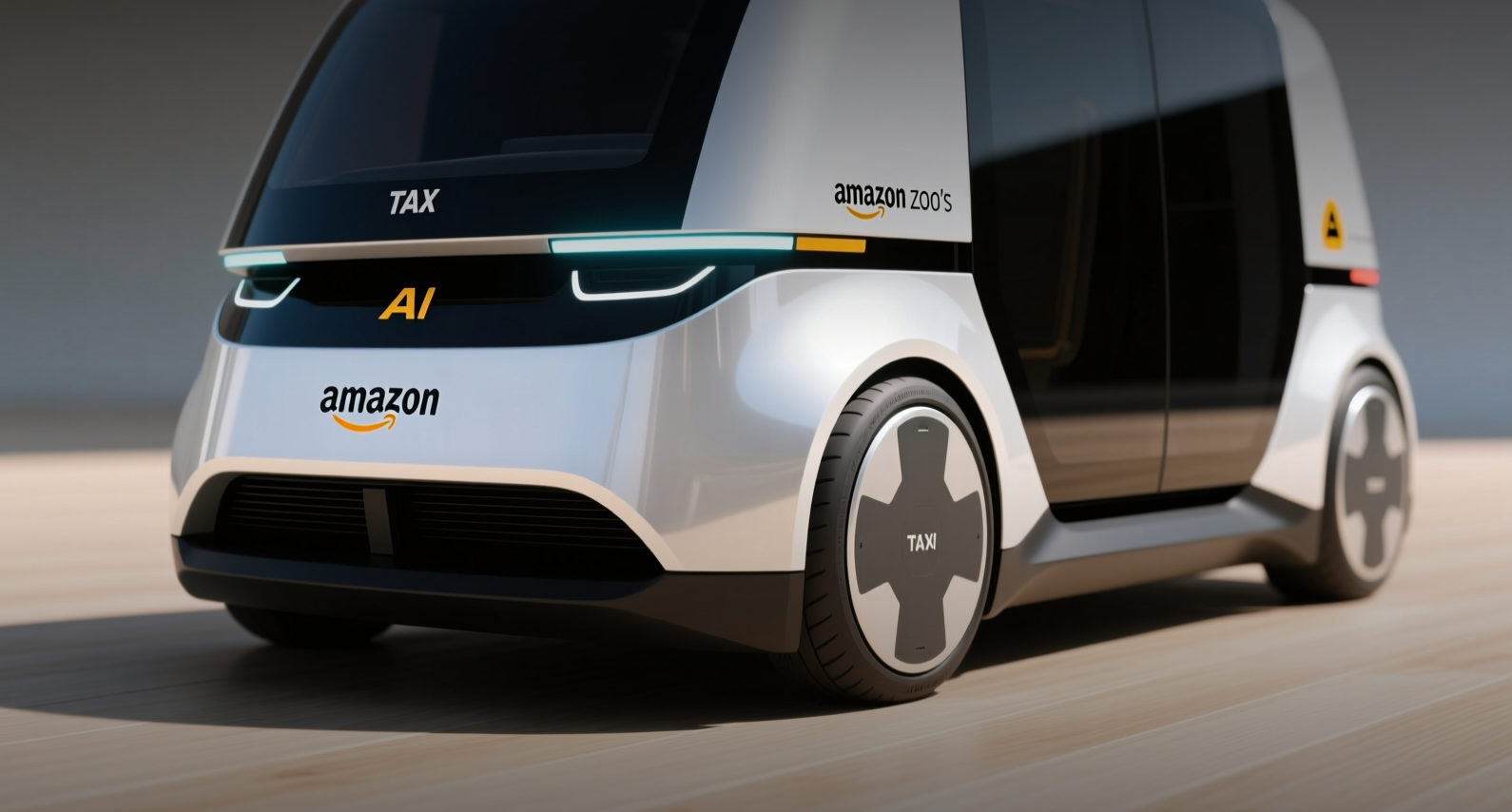
Amazon's Zoox became the first company to win US regulatory approval for paid robotaxi service using vehicles without steering wheels or human controls, a milestone that reshapes the competitive landscape of autonomous ride-hailing.
Amazon.com Inc.'s Zoox unit won the first US approval for paid robotaxis without steering wheels, leapfrogging Alphabet Inc.'s Waymo and General Motors Co.'s Cruise in the race to deploy fully driverless ride-hailing.
"This is a first for the autonomous ride industry," the head of the US auto safety agency, who requested anonymity discussing the approval, said in a statement Wednesday.
The approval allows Zoox to operate its purpose-built, steering-wheel-free vehicles in a limited commercial capacity, though the company has not disclosed the specific geographic area, fleet size, or pricing structure. Unlike competitors that retrofit existing vehicles — Waymo uses modified Jaguar I-PACE SUVs with steering wheels, while Cruise deploys modified Chevrolet Bolts — Zoox's vehicle was designed from the ground up as a bidirectional, carriage-style pod without traditional driver controls.
Amazon shares, trading at roughly 22 times forward earnings, could benefit as the approval opens a new revenue stream in the robotaxi market, which BloombergNEF projects will reach $2 trillion by 2030. The decision pressures Waymo, Cruise, and Tesla Inc. to accelerate their own regulatory timelines or risk losing first-mover advantage in a market where deployment scale determines unit economics.
Zoox's vehicle, which seats four passengers facing each other, has been testing on public roads in California, Nevada, and Washington since 2023. The company has not disclosed when commercial service will begin or which city will host the initial deployment. The approval covers only limited commercial operations, with full-scale deployment requiring additional regulatory clearances.
The regulatory breakthrough comes as Amazon has invested billions of dollars into Zoox since acquiring the startup in 2020 for about $1.3 billion. The e-commerce giant has been developing the technology in relative quiet compared with Waymo, which operates a paid robotaxi service in San Francisco, Phoenix, and Los Angeles, and Cruise, which resumed limited operations after a 2023 incident involving a pedestrian in San Francisco.
For investors, the key question is whether Zoox can translate regulatory approval into commercial scale faster than competitors. Waymo has completed more than 100,000 paid trips per week across its operating cities, while Cruise is rebuilding after its license suspension in California. Zoox's ground-up design may offer superior unit economics over the long term, but the company faces a steep climb to match the deployment density of its rivals.
This article is for informational purposes only and does not constitute investment advice.
