

AI inference workloads are generating data faster than storage supply can scale, pushing Western Digital's high-capacity hard drives into a structural growth cycle.
AI inference workloads are generating data faster than storage supply can scale, pushing Western Digital's high-capacity hard drives into a structural growth cycle.
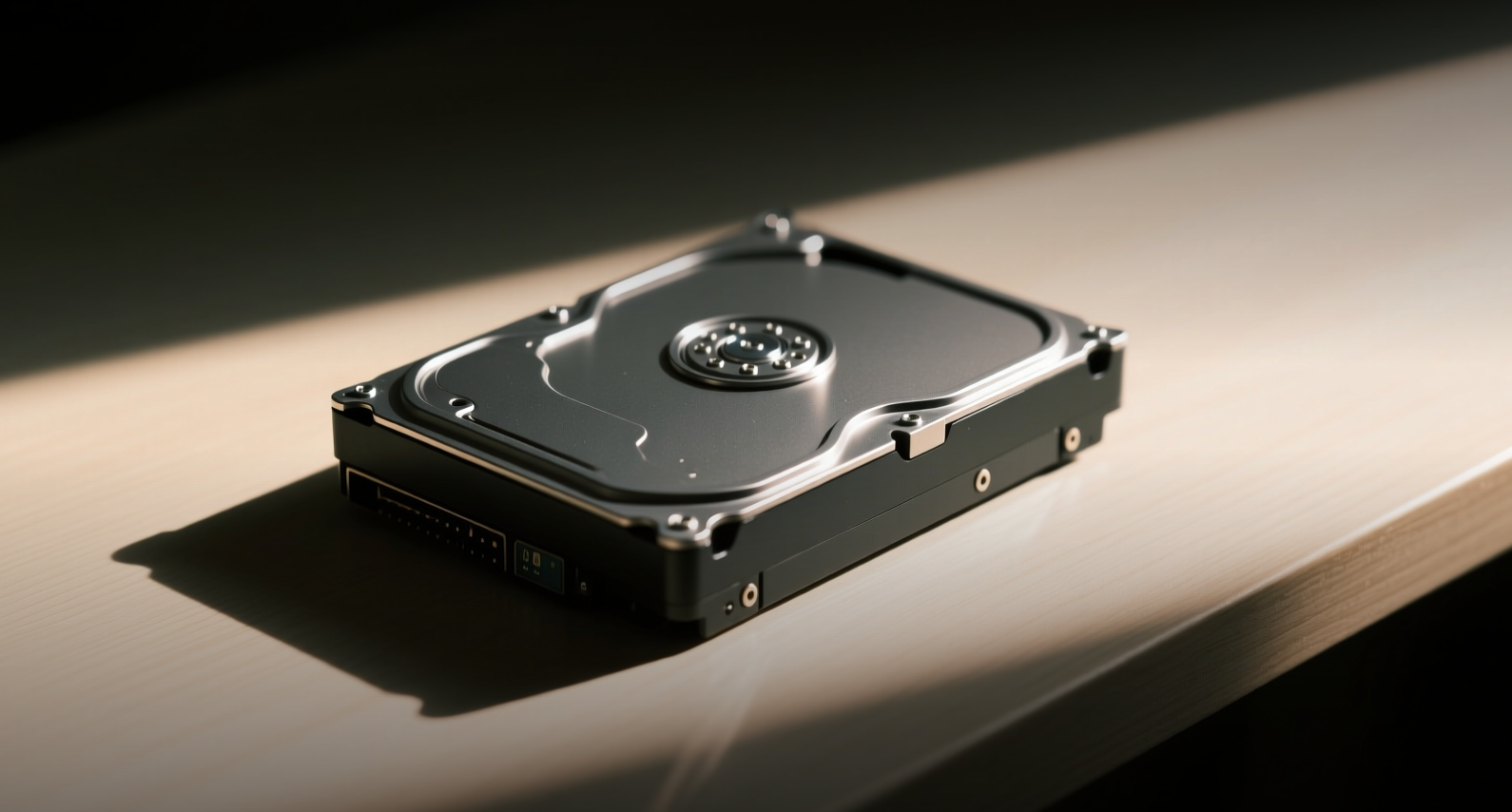
Western Digital expects AI-driven data creation to fuel long-term storage demand at more than 25% CAGR, as the shift from training to large-scale inference and agentic AI compounds data growth across cloud and enterprise environments.
"The rise of agentic AI, which autonomously executes workflows, will further accelerate data generation and extend data retention," the company said in its analysis, pointing to synthetic data and physical AI applications such as robotics as compounding drivers that create massive volumes of video, sensor and training data.
The company's quarterly trends show accelerating revenue growth, improving gross margins and stronger pricing discipline, aided by tight HDD supply conditions. Morgan Stanley analyst Erik Woodring, who maintains an Overweight rating with a $650 price target, estimates demand is growing 40% to 50% annually against supply growth of 30% to 35%, with cloud expansion and AI inference increasing storage requirements. Bank of America reiterated a Buy rating with a $732 target. Rising NAND flash prices also make high-capacity hard drives more economically attractive for large datasets, supporting more predictable pricing.
Western Digital's technology roadmap positions it to capture hyperscale demand. High Bandwidth Drive Technology is already in customer validation, while Dual Pivot Technology remains in the lab and is slated for introduction in 2028. Power-optimized drives, expected to enter customer qualification in 2027, could create a new economic storage tier between warm and cold data — critical for sustainable AI deployments at scale. The company sharpened its focus following the separation of its flash business into SanDisk, allowing management to concentrate on advancing HDD technologies and serving hyperscale customers more effectively.
Competition Heats Up as Seagate Pushes HAMR
Western Digital competes with Seagate Technology, which is capitalizing on the same AI-driven storage demand through areal-density innovation rather than unit-volume growth. Seagate's HAMR-based Mozaic platform exemplifies this strategy, with the second-generation Mozaic 4+ delivering up to 44 terabytes per drive — more than 30% higher capacity than the first generation. Enhanced by Seagate's proprietary laser and integrated photonics technology, the platform improves storage density, cost efficiency and scalability, supporting the company's targeted mid-20% annual data-center exabyte growth.
Both companies face a supply-demand imbalance that favors pricing power. Woodring's thesis at Morgan Stanley centers on a widening hard-disk-drive shortage, with cloud expansion and AI inference workloads increasing storage requirements faster than manufacturers can add capacity. If customers delay deployments, reuse existing capacity, or shift their storage mix, tightness could ease — but for now, analyst attention has moved from unit volumes toward pricing power and data-center demand visibility.
Kioxia Talks Signal Flash Strategy Shift
Western Digital has re-entered merger discussions with Japan-based Kioxia Holdings to combine their NAND flash memory operations, following earlier attempts that stalled over valuation debates and regulatory considerations. The company already has deep manufacturing ties with Kioxia, and a fuller combination could reshape how NAND flash capacity is organized across the industry. Consolidating NAND assets could simplify joint manufacturing decisions, alter capital spending plans, and potentially change Western Digital's mix between HDDs and flash.
A larger flash platform would still operate in a cyclical memory market where pricing, capital intensity and competitor responses from Samsung, SK Hynix and Micron can affect returns on new investment. If structured effectively, integrating NAND assets could give Western Digital more influence over supply discipline, helping it align flash production with long-term AI and data center storage contracts. A clearer separation between HDD and combined flash operations, should a spin-off be used, could help investors assess each business on its own economics and capital needs.
Investor Implications
Western Digital shares have posted a three-year compound annual growth rate of 173%, making it one of the best-performing AI-related stocks. The company trades against well-funded rivals in both HDDs and flash, and the Kioxia discussions add integration and regulatory execution risk that is not fully captured in a simple growth narrative. For investors, the key variables to track are whether large hyperscale customers publicly support a combined flash supplier, how competitors respond in terms of pricing or capacity plans, and whether Western Digital updates its capital allocation between HDD, flash and shareholder returns once deal structure is clearer.
This article is for informational purposes only and does not constitute investment advice.
