
Warsh's first major policy decision has triggered the worst Fed credibility crisis in decades, forcing investors to rethink asset pricing.
Warsh's first major policy decision has triggered the worst Fed credibility crisis in decades, forcing investors to rethink asset pricing.
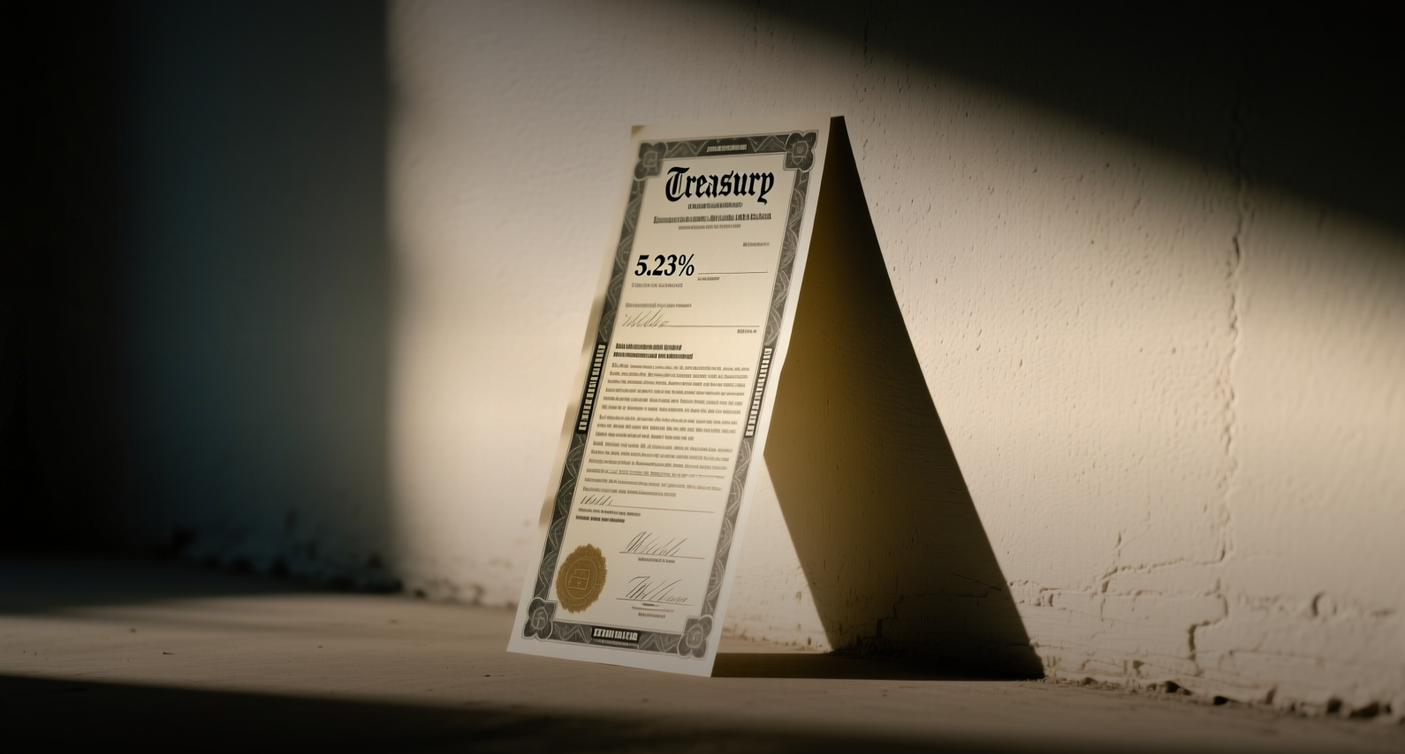
Warsh's abolition of Fed forward guidance at the July 30 FOMC meeting sent the 30-year Treasury yield up 14 basis points to 5.23 percent, a 19-year high, as investors questioned the central bank's rate path.
Bank of America called the move a "typical central bank credibility shock," while JPMorgan published a report titled "Empty Talk" criticizing Warsh for holding rates without a coherent explanation for the pause.
Three of the twelve FOMC members dissented on July 29, calling for higher rates. The July jobs report showed the economy lost 23,000 positions, complicating the path forward. CME FedWatch data shows a 4 in 10 probability of a hike at the September meeting, down from before the jobs data was published.
The stakes extend beyond the bond market. Warsh has announced five special working groups to restructure the Fed's power architecture, and the Trump administration is attempting to fire Governor Lisa Cook. If the reform agenda fails, the breakdown of existing asset pricing frameworks could trigger broader disruption across equities, bonds, the dollar, and gold.
Warsh's "silence philosophy" — his deliberate refusal to signal future rate moves — marks a sharp departure from the communication strategy that defined the Powell era. At the July 30 press conference, he avoided all questions about what would trigger a rate increase, instead arguing that rising long-term market rates showed "the market has already done a considerable amount of the tightening work for the Fed." This attempt to outsource tightening to market forces has drawn criticism from both inside and outside the institution.
The Credibility Gap Widens
The market's response was immediate and severe. The 30-year Treasury yield jumped 14 basis points to 5.23 percent, the highest level in 19 years. JPMorgan's report, bluntly titled "Empty Talk," argued that Warsh's approach of holding rates while refusing to explain the logic behind the decision was unsustainable. Bank of America went further, describing the episode as a "typical central bank credibility shock" that could take months to repair.
The internal dissent is equally telling. Three of the twelve FOMC members voted against the decision on July 29, calling for higher rates. This level of public disagreement within the committee is rare and suggests the institution is deeply divided over the appropriate policy path.
Reform Agenda Meets Political Pressure
Warsh's response has been to accelerate his restructuring agenda. In early July, he announced the leadership of five special working groups designed to reshape the Fed's internal power structure. The reform effort targets what Warsh sees as the Fed's core problems: the "data dependency trap," the misleading nature of the dot plot, and the "rule vacuum" in balance sheet policy. Reports suggest Warsh is also contemplating reducing the frequency of FOMC meetings, a move that would further reduce the central bank's visibility into market expectations.
The political dimension adds another layer of complexity. The Trump administration is making a renewed attempt to fire Governor Lisa Cook, this time "for cause," according to the Associated Press. The first attempt was blocked by the Supreme Court. If Cook is removed, Trump could appoint a governor aligned with his preference for rate cuts, as was the case with Stephen Miran's brief term.
The September FOMC meeting now carries a 4 in 10 probability of a rate hike, according to CME FedWatch. With the jobs market showing weakness — 23,000 jobs lost in July after four consecutive months of gains — the Fed faces a difficult trade-off between fighting inflation and maintaining full employment. If the labor market deteriorates further, the pressure on Warsh to act will intensify, but his refusal to provide forward guidance leaves markets guessing.
The last time the Fed faced a comparable credibility crisis was in the late 1970s, when Paul Volcker's aggressive tightening shocked markets into submission. But Volcker had the benefit of a clear policy direction. Warsh's ambiguity, by contrast, leaves investors without a framework for pricing risk, which could keep long-term yields elevated and volatility high across all major asset classes.
This article is for informational purposes only and does not constitute investment advice.
