
Key Takeaways:
- UBS projects gold at $4,600 by end-2026 and $5,200 by mid-2027
- XAU/USD trades near $4,031 after a 1.2% decline in the prior session
- Pullbacks toward $3,850–$4,000 are buying opportunities, the bank says
Price Snapshot (July 29):
Key Takeaways:
Price Snapshot (July 29):
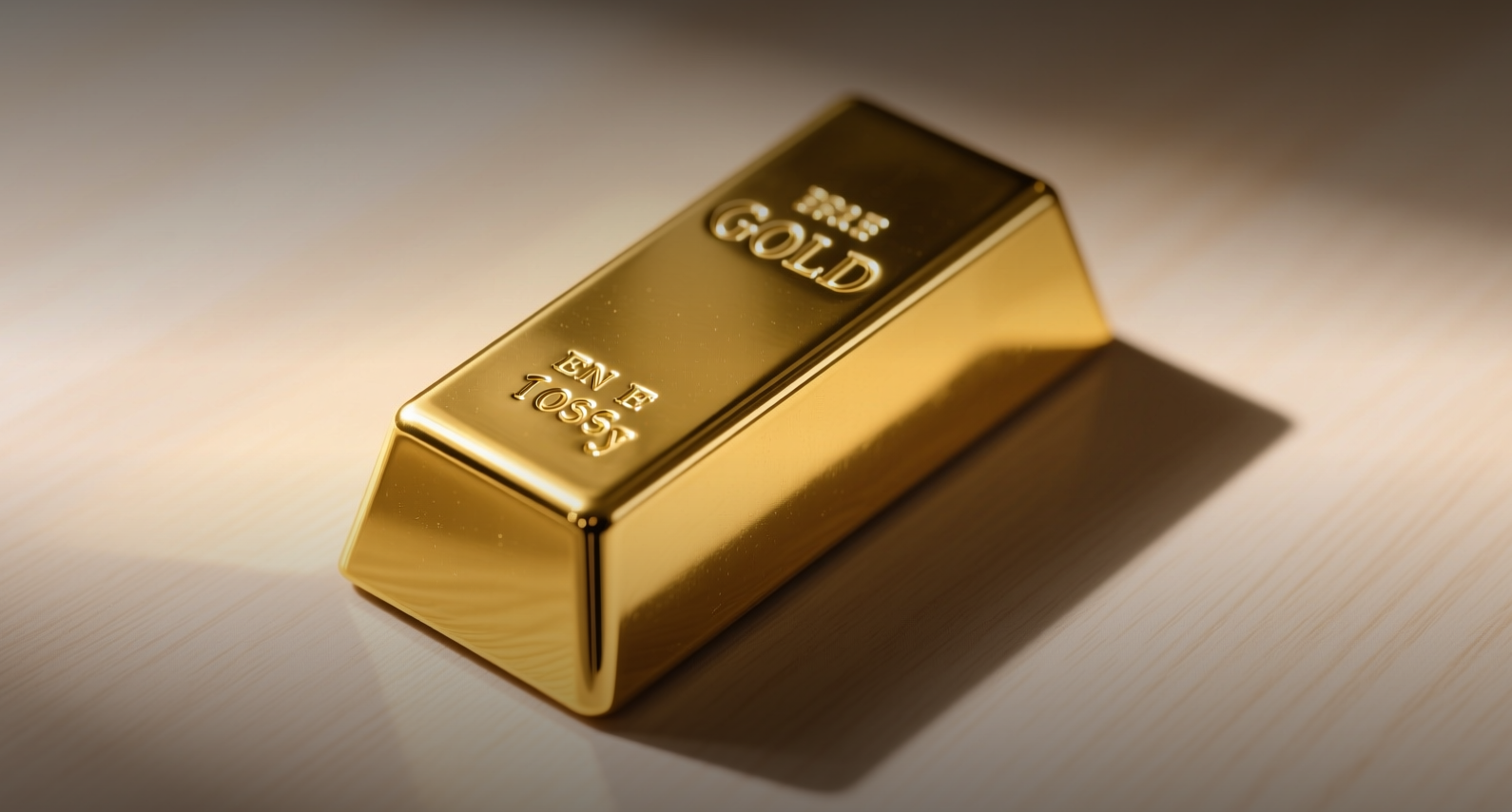
COMEX gold traded around $4,031 an ounce on Wednesday, attempting a modest recovery after losing 1.2% in the previous session and falling for a second consecutive day. The metal has spent much of July oscillating near $4,000, well below the record levels reached earlier this year.
"Stronger US data and rising real yields have sapped gold's near-term momentum," UBS said in a note published July 29, adding that higher yields and a stronger dollar have increased the opportunity cost of holding an asset that pays no income. The bank described the retreat as "more like a reset than a broken investment case."
US 10-year real yields climbed 14 basis points to 2.43% during the week covered by RBC Capital Markets' latest Gold Standard review, while the dollar index rose 0.7%. Gold's one-year correlation with real yields stands at negative 0.43 and with the dollar index at negative 0.46, according to RBC data. Despite those headwinds, physical gold ETFs recorded inflows of 404,000 ounces, with total global holdings near 97 million ounces, though still 2.3 million ounces below end-2025 levels.
The price of gold surged from around $4,300 at the start of January to above $5,500 later that month, before enduring a volatile decline through the spring. After another rally toward $5,350 in early March, the market began a more persistent retreat, reaching the $4,000 region by June. The metal has repeatedly found buyers close to $4,000, although rebounds have struggled to develop into a sustained recovery.
UBS Sees $4,600 by Year-End, $5,200 by Mid-2027
UBS expects gold to end 2026 around $4,600 an ounce before rising to $5,200 by June 2027, implying roughly 29% upside from current levels. The bank says pullbacks toward the $3,850–$4,000 range should be seen as opportunities for under-allocated investors to add exposure, rather than a reason to abandon the position.
Structural demand remains central to the bank's argument. "Central bank demand, continued diversification away from the US dollar, and global debt concerns remain important structural supports," UBS said. The bank also expects the Federal Reserve to remain on hold through 2026 before cutting rates in 2027, a path that should eventually reduce pressure from real yields and the dollar.
What's at Stake for Gold Investors
The next test will come from US economic data and the Federal Reserve. Another rise in real yields or a more hawkish policy signal could push gold back toward the lower end of UBS's buying range. A softer run of data would change the mood quickly. With ETF flows turning positive again and prices already far below their early-year peak, the market may not need much encouragement to challenge $4,200.
Gold at $4,031/oz is roughly 25% below the January record above $5,500 and 20% below the March peak near $5,350. The metal's 2026 range of roughly $4,000 to $5,500 compares with a five-year average near $2,800, showing the scale of this year's volatility.
This article is for informational purposes only and does not constitute investment advice.
