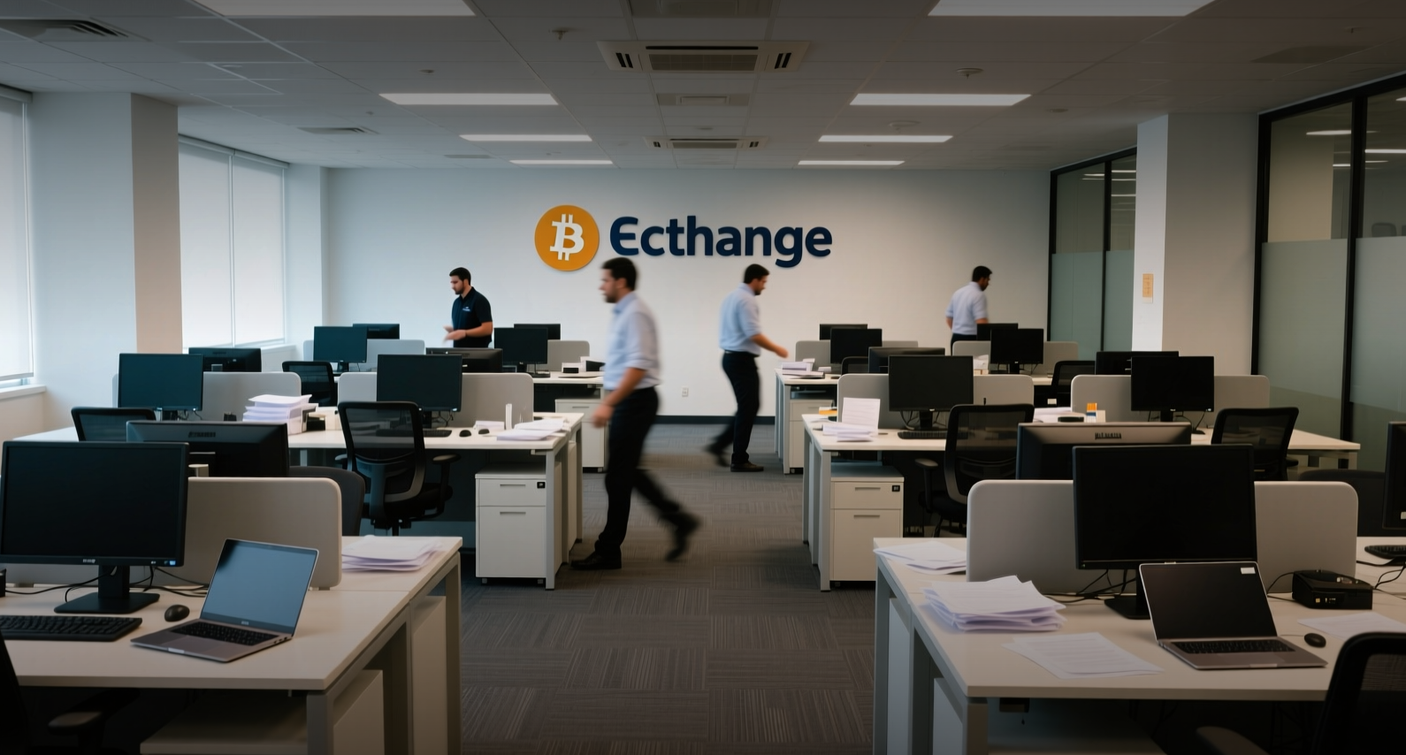
A forensic audit uncovered over $7 million in customer assets that had moved to wallets outside Orionx's control, prompting the Chilean exchange to freeze withdrawals and begin permanent closure.
Chile's Comisión para el Mercado Financiero said it cannot oversee Orionx's wind-down or order the exchange to return customer assets, leaving users dependent on the company's restitution process or potential court action. The regulator rejected Orionx's registration application on June 19, ending a transitional arrangement that had allowed the exchange to operate while the application was under review. The CMF said Orionx was neither registered nor authorized under Chile's Fintech Act and had failed to demonstrate it had secured the collateral required of approved providers.
Orionx filed a criminal complaint on Sept. 2 against co-founders Roberto Zibert and Joaquín Díaz over transfers allegedly made between 2018 and 2021 involving Bitcoin, Ethereum, XRP, and Polygon's POL token. Both have denied wrongdoing. The exchange also notified Chile's Public Prosecutor's Office about the transfers, though no third party has independently confirmed the current location of the disputed assets.
The failure comes less than a year after Tether led Orionx's Series A funding round in June 2025, following an earlier investment by affiliated exchange Bitfinex in 2023. Tether's backing had been intended to support Orionx's expansion across Latin America. Tether has not issued a statement addressing the shutdown, and the original funding announcement no longer appears on its website.
Orionx said it froze withdrawals to prevent customers who move first from recovering assets at the expense of those who remain. Its closure tracker remains at the first of five stages, with account reconciliation and approval of a restitution plan required before funds are returned. No repayment date has been disclosed.
The exchange said its priority is to return as much customer property as possible "as quickly and fairly" as circumstances allow. It has not said how much of the missing $7 million-plus shortfall could ultimately be recovered. Orionx still has to reconcile individual balances, determine available assets, and approve a distribution plan before restitution begins.
The incident raises questions about the durability of Tether's investment strategy in Latin American exchanges. Orionx's regulatory rejection in June, followed by the discovery of the asset shortfall, shows that even Tether-backed platforms can face insolvency risk when oversight gaps exist. For customers, the path to recovery runs through a five-stage closure process with no guaranteed outcome, and the CMF has directed users to pursue court action if Orionx's restitution plan falls short.
This article is for informational purposes only and does not constitute investment advice.