

Navitas Semiconductor is betting that a shift to 800-volt power architecture in AI data centers will drive demand for its gallium nitride and silicon carbide chips.
Navitas Semiconductor is betting that a shift to 800-volt power architecture in AI data centers will drive demand for its gallium nitride and silicon carbide chips.
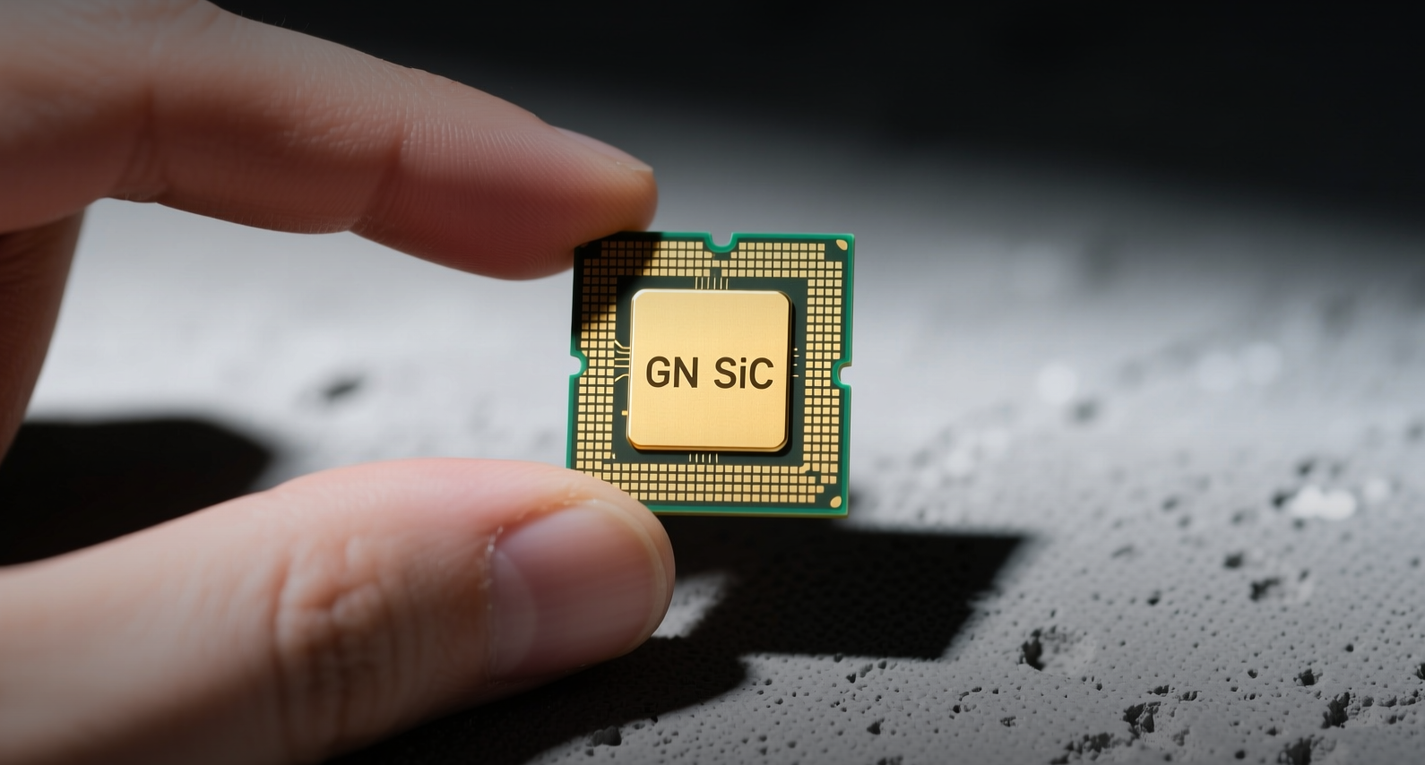
Navitas Semiconductor is betting that a shift to 800-volt power architecture in AI data centers will drive demand for its gallium nitride and silicon carbide chips.
The move to 800V power systems increases the amount of GaN and SiC content per AI rack by as much as 2.5 times, according to the company, as power supply units grow from 5-10 kilowatts to as high as 30 kW for hyperscalers.
"Higher voltage architectures reduce current draw and resistive losses, enabling denser server configurations," Navitas management said, noting that AI infrastructure revenue rose 50% sequentially in the first quarter.
Navitas launched a 20-kilowatt 800V-to-6V GaN platform and new Gen 5 SiC products during the first quarter, now being tested by OEMs and power supply vendors. Total revenue rose 18% sequentially, driven by high-power markets. Several projects have advanced from device-level to board-level testing.
The AI data center power market is drawing increased competition. ON Semiconductor introduced its GaNEXUS portfolio in June, targeting the same high-voltage applications with FETs ranging from 40V to 650V. Wolfspeed filed a patent infringement lawsuit against Navitas on July 8, alleging violations of GaN and SiC patents. Navitas shares fell 8.14% to $13.99 on the day of the filing.
The 800V Opportunity in AI Data Centers
The shift to 800V architecture addresses a fundamental constraint in AI infrastructure: power delivery. Traditional 480V power systems become inefficient at the 25-30 kW per rack that hyperscalers now require. Higher voltage reduces current draw and resistive losses, enabling denser server configurations. For Navitas, this means more GaN and SiC content per system — GaN for high-frequency power conversion inside racks and SiC for high-voltage AC-to-DC conversion at the power supply unit level. The company expects SiC content per rack to increase about 2.5 times as power levels rise.
Competition and Legal Risks Mount
Navitas faces strong competition from ON Semiconductor and STMicroelectronics in the race to supply high-voltage solutions for AI data centers. ON Semi's GaNEXUS portfolio, launched in June, includes devices with voltage ratings from 40V to 650V and built-in protection features. The new portfolio claims faster switching speeds and lower switching losses than conventional silicon-based power devices. The Wolfspeed lawsuit, filed in the U.S. District Court for the Western District of North Carolina, alleges infringement of multiple patents covering GaN and SiC technologies. Navitas has called the allegations "baseless" and said it expects to prevail.
Navitas shares trade at roughly 4.5 times trailing revenue, reflecting both the growth opportunity and the risks. The company's AI infrastructure revenue grew 50% sequentially in Q1, suggesting early product traction. But with ON Semi and STMicroelectronics investing heavily in GaN and SiC, and a patent dispute now underway, the path to capturing the 800V opportunity carries execution and legal risk.
This article is for informational purposes only and does not constitute investment advice.
