

Key Takeaways:
- H1 2026 revenue forecast at 16.5B-17.5B yuan, up 135%-149% YoY
- MTTS5000 GPU enters mass production, supporting trillion-parameter model training
- Kuae AI computing cluster commercialization accelerates, driving revenue growth
Key Takeaways:
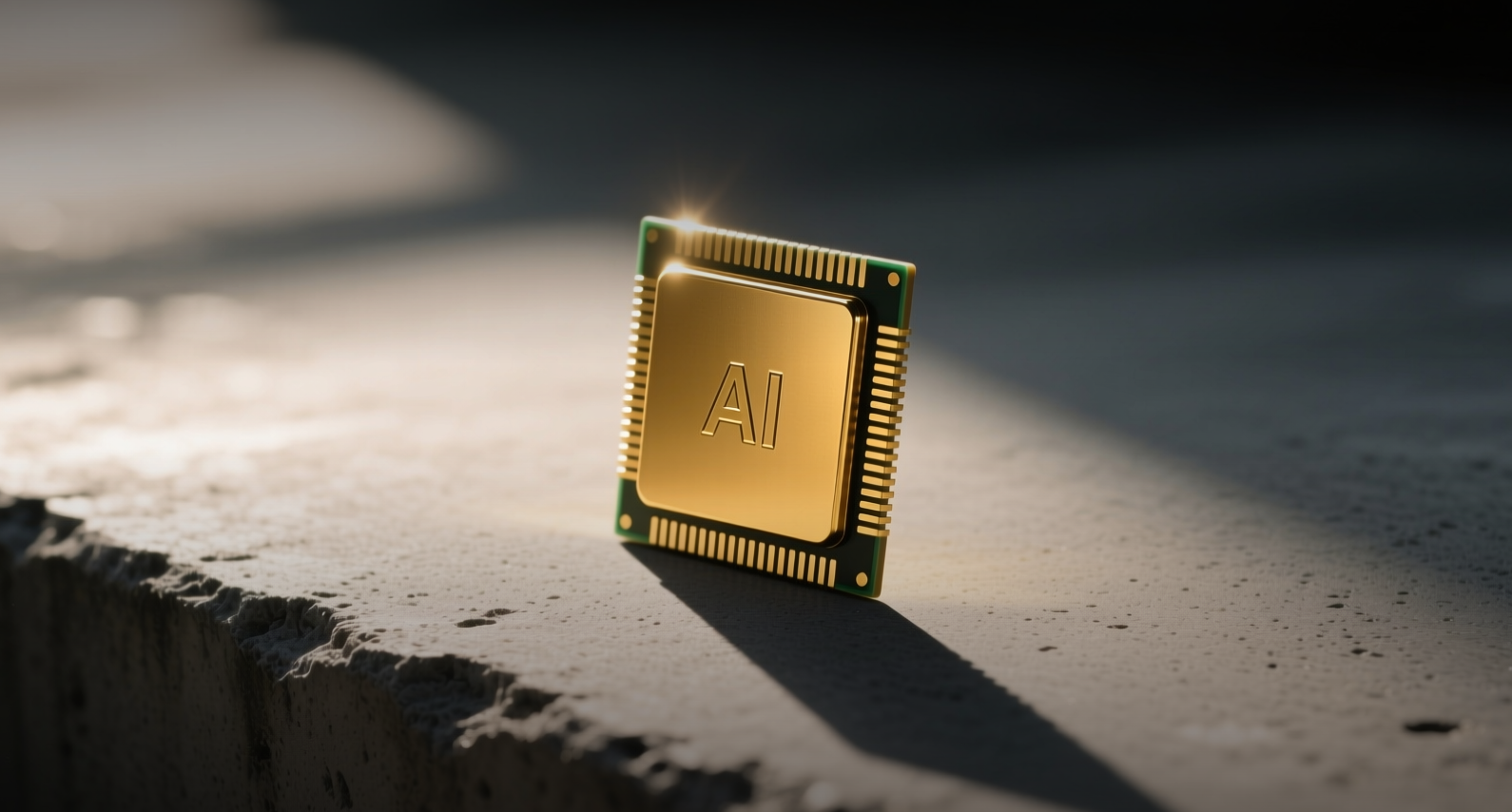
Moore Threads' H1 revenue more than doubled to as much as 17.5 billion yuan ($2.4 billion), as the Chinese GPU maker's AI computing clusters and flagship chip found buyers in a market long dominated by Nvidia.
"The rapid growth of the AI industry and strong market demand for full-function GPUs drove our revenue expansion," Moore Threads said in its voluntary earnings forecast, adding that its Kuae AI computing cluster has achieved "accelerated commercialization."
The Beijing-based company expects H1 2026 revenue of 16.5 billion to 17.5 billion yuan, compared with 7.02 billion yuan in the same period last year. The midpoint of 17 billion yuan represents a 142% year-over-year increase, or roughly 2.4 times the prior-year figure. Moore Threads did not disclose net profit, gross margin or cash flow metrics, noting the forecast is unaudited.
The results offer a window into how Chinese AI chip companies are scaling production amid US export restrictions that have cut off access to Nvidia's advanced processors. Moore Threads' MTTS5000 — a training-inference integrated GPU — has entered mass production and can support trillion-parameter large language models, the company said. Whether it can sustain this growth trajectory depends on its ability to match Nvidia's software ecosystem and secure sufficient advanced packaging capacity.
Kuae cluster drives revenue acceleration
Moore Threads' Kuae AI computing cluster has become a key revenue driver, moving the company beyond single-chip sales into full-system deliveries for large-scale AI training. The company said clusters built on the MTTS5000 are being delivered continuously and achieve computing efficiency comparable to "foreign same-generation GPU clusters at an advanced level" — a reference to Nvidia's H100 and H200 lines, though Moore Threads did not disclose the test methodology for the comparison.
The shift toward cluster-level sales increases per-customer revenue and ties Moore Threads more directly to China's AI infrastructure buildout. Chinese cloud providers and AI labs, barred from buying Nvidia's H100 and B200 under US export controls, have turned to domestic alternatives from Moore Threads and Huawei's Ascend series.
MTTS5000 enters volume production
The MTTS5000 is a full-function GPU designed for both training and inference workloads — a combination that matters as AI applications move from model development into deployment. Moore Threads said the chip has reached volume production, a milestone that separates it from many Chinese GPU startups that have struggled with manufacturing yields and software compatibility.
The company is also iterating its chip architecture and expanding its product lineup across cloud, edge and device segments. For context, Nvidia's comparable data center GPU, the H100, delivers 990 TFLOPS of FP16 performance on TSMC's 4nm node, while Huawei's Ascend 910B is estimated at roughly 320 TFLOPS in the same precision — though independent benchmarks for Moore Threads' chips remain scarce.
What this means for investors
Moore Threads is not publicly listed, but its financial trajectory matters for the broader Chinese AI chip ecosystem and for Nvidia's revenue exposure to China. Nvidia generated about $12 billion from China in fiscal 2025, down from peak levels before export restrictions tightened. If Moore Threads sustains its current run rate, it could capture a meaningful share of China's estimated $30 billion AI chip market by 2027, according to industry estimates. The lack of profitability data, however, leaves open questions about whether the company can convert revenue growth into sustainable margins given the high cost of wafer procurement and R&D investment.
This article is for informational purposes only and does not constitute investment advice.
