

Micron Technology's next multidecade growth cycle won't come from AI data centers — it will come from humanoid robots that need 10 times the memory of today's smartest vehicles.
Micron Technology's next multidecade growth cycle won't come from AI data centers — it will come from humanoid robots that need 10 times the memory of today's smartest vehicles.
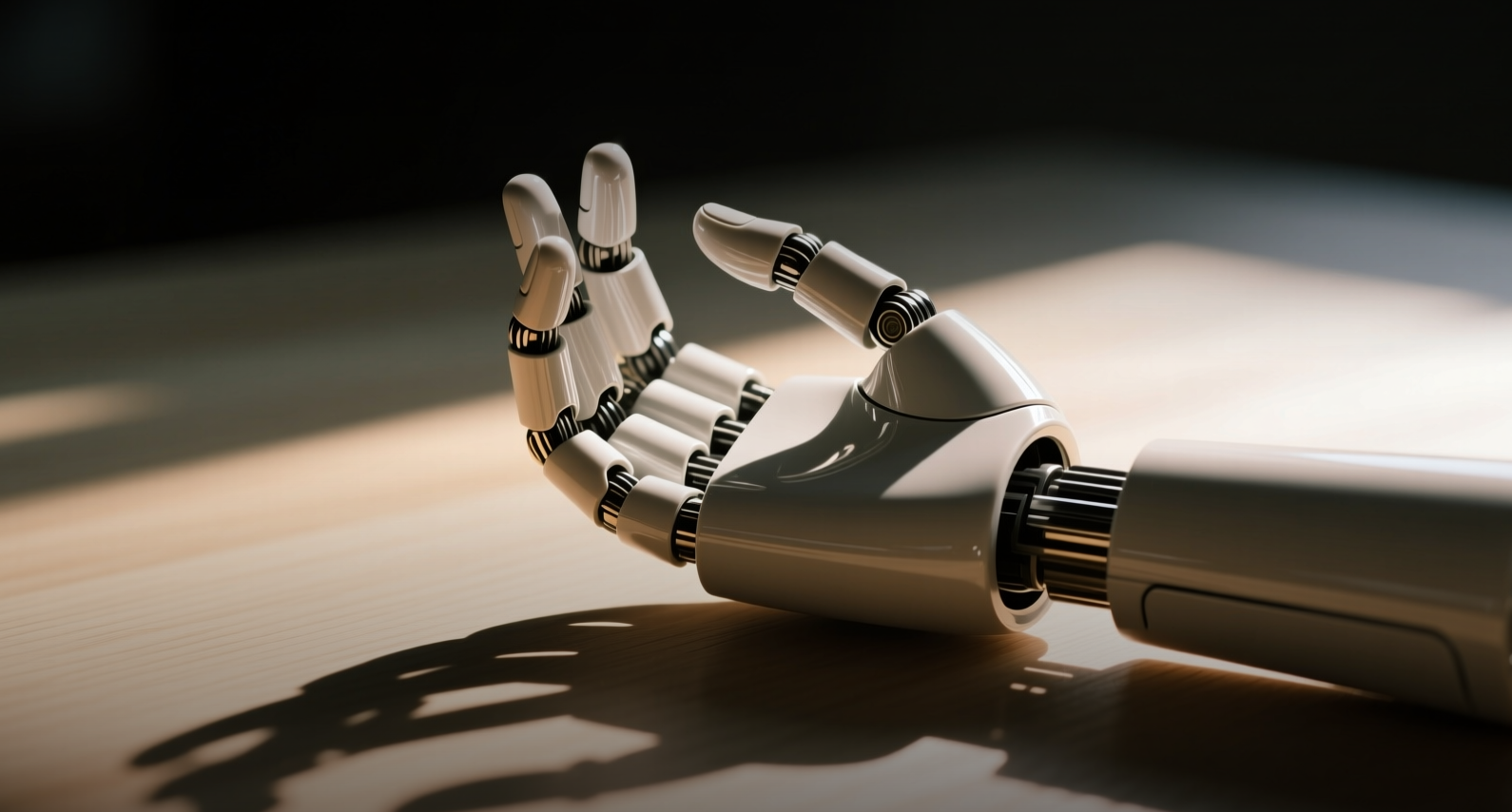
Micron Technology Chief Executive Officer Sanjay Mehrotra told investors on June 24 that humanoid robots represent a bigger opportunity than AI data centers, forecasting a "multidecade memory demand cycle" starting later this decade.
"Humanoid robots will carry 10 times the memory of the average L2+ vehicle," Mehrotra said on the company's fiscal 2026 third-quarter earnings call, framing physical AI as the next demand driver for memory chips.
The Boise, Idaho-based chipmaker, whose shares have surged more than 700% over the past year, more than quadrupled revenue from data center sales. But Mehrotra said the coming wave of humanoid robots will eclipse that demand. Barclays projects the humanoid robot industry will exceed $200 billion in value within 10 years, while Wedbush Securities analyst Dan Ives expects it to reach trillions over the next decade.
For Micron, the shift means a vast new addressable market for its high-bandwidth memory and storage products, potentially extending a semiconductor upcycle that some investors feared was nearing its peak. The company has announced $250 billion in investment for expanded AI memory chip development to prepare for this demand.
Humanoid Robots Require an Order of Magnitude More Memory
The memory requirements for humanoid robots dwarf those of even the most advanced vehicles. While an L2+ vehicle uses a baseline amount of memory for navigation and sensor processing, a humanoid robot must process real-time visual data, motor control signals, speech recognition and environmental mapping simultaneously. That computational load demands 10 times the memory capacity, according to Micron's internal analysis.
Tesla has been developing its Optimus humanoid robot and is approaching commercialization, which could serve as an early demand driver for memory chips. But Micron's opportunity extends beyond any single robot maker. As the largest US-based memory manufacturer, Micron supplies DRAM and NAND flash to virtually every major hardware producer, placing it to benefit regardless of which robotics company wins the commercial race.
Memory chips have historically been among the most cyclical products in the semiconductor industry. When demand surges, prices rise and chipmakers rush to add fabrication capacity — a process that takes years. By the time new supply arrives, demand often softens, leaving manufacturers with inventory gluts and forcing price cuts.
Mehrotra's forecast suggests this cycle may be different. The combination of AI data center demand and the emerging humanoid robot market could create overlapping demand waves that sustain pricing power for years. Barclays' $200 billion market estimate for humanoid robots, if realized, would represent a structural increase in memory consumption rather than a cyclical spike.
Micron shares trade at a premium reflecting the AI data center boom, but the humanoid robot thesis is not yet priced in. If Mehrotra's multidecade demand cycle materializes, the company's revenue growth could extend well beyond the current AI infrastructure buildout. Investors face a binary question: whether the humanoid robot market develops as quickly as the CEO anticipates, or whether it remains a long-dated opportunity that takes longer to materialize than the market expects.
This article is for informational purposes only and does not constitute investment advice.
