
Samsung, Micron, and SK Hynix have pre-sold all 2027 DRAM and HBM output, locking buyers into a seller's market through next year.
Samsung, Micron, and SK Hynix have pre-sold all 2027 DRAM and HBM output, locking buyers into a seller's market through next year.
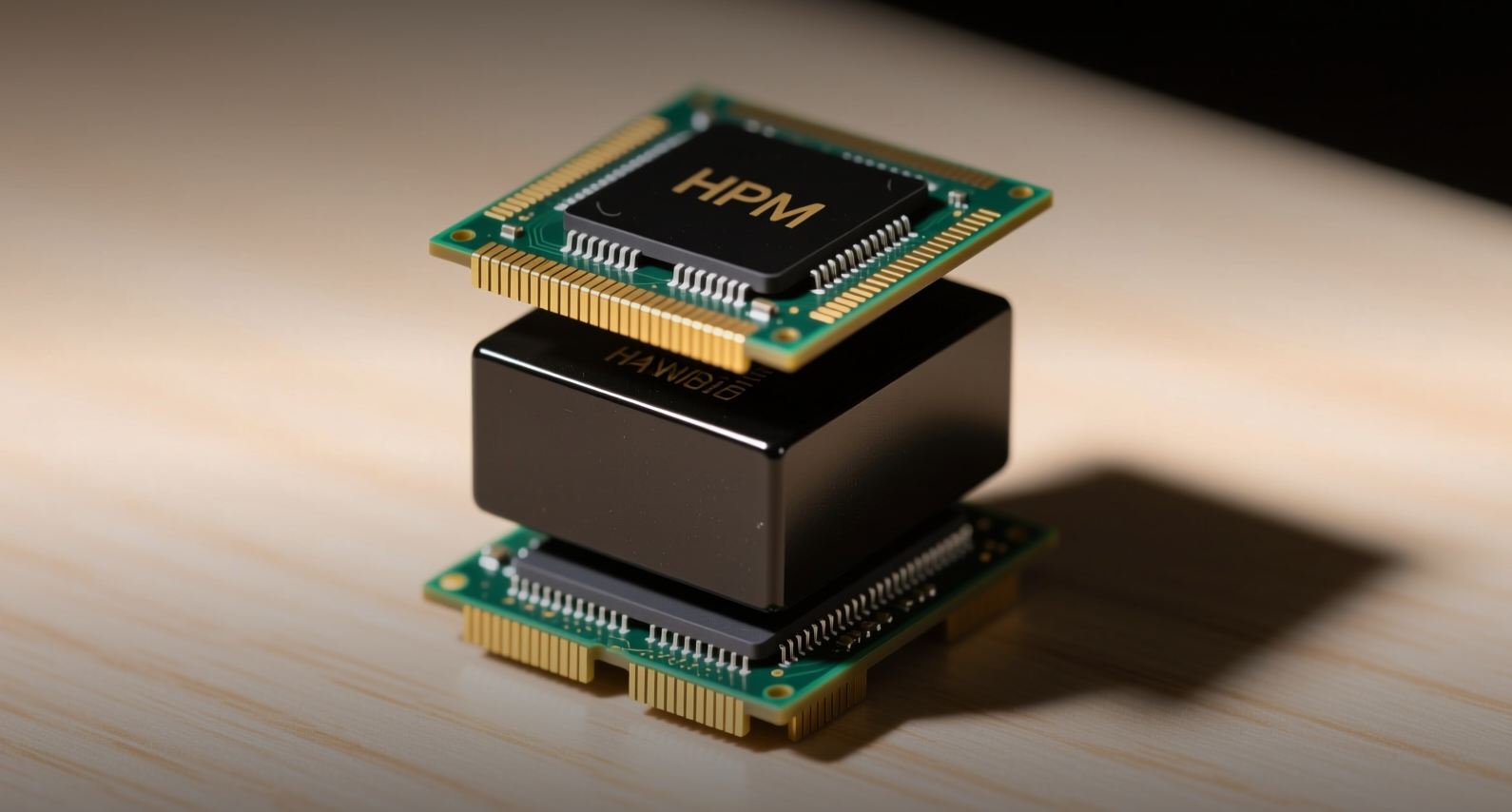
Three memory manufacturers have allocated all 2027 DRAM and high-bandwidth memory capacity, with NAND Flash also fully pre-sold, confirming next year as the tightest supply period in the industry's history.
SK Group Chairman Chey Tae-won said 2027 AI semiconductor demand could grow 60 percent to 100 percent year over year, with overall storage demand rising 50 percent to 60 percent, warning of the worst supply-demand imbalance the industry has ever faced.
ADATA Chairman Chen Li-Bai confirmed the three manufacturers' 2027 capacity is sold out, with HBM and AI server applications consuming roughly 70 percent of DRAM output. Suppliers typically deliver only 60 percent to 70 percent of buyers' target allocations, meaning phone and PC makers face reduced quotas next year. Samsung, Micron, and SanDisk have also pre-sold all 2027 NAND Flash capacity, with Kioxia and SK Hynix expected to complete allocation by the end of August.
The allocation shift has already rattled memory stocks. SK Hynix, which listed on Nasdaq on July 10 at $149 per share, has fallen 34 percent from its post-IPO peak despite reporting record second-quarter operating income of $42 billion. Micron closed at $823 on July 31, down 39 percent from its 2026 high, while SanDisk has dropped 41 percent in the past month.
AI Demand Reshapes Allocation
The capacity crunch stems from a structural shift in how memory is bought and sold. Cloud service providers and AI hardware makers have signed three-to-five-year long-term agreements with manufacturers, moving the market from a commodity cycle to a persistent seller's regime. A prepaid deposit model has replaced traditional purchase orders, with several hyperscalers and brand vendors paying upfront to secure future supply.
The allocation window runs July through August, and industry sources say some buyers remain unaware of the deadline. "Nobody is publicizing it because they're afraid more buyers will rush in and reduce their own allocation," one supply chain source told DIGITIMES.
The allocation covers not only long-term agreement customers but also smaller buyers that received 2026 capacity but may not have signed contracts. Each manufacturer coordinates internally before notifying buyers of their 2027 quotas. For buyers that have not locked capacity, the risk is acute: they face either paying higher spot prices or being left without supply entirely.
NAND and Pricing Outlook
While DRAM supply is universally tight, the NAND Flash market presents a more nuanced picture. Some analysts expect new capacity coming online and weak consumer demand to loosen NAND supply in the second half of 2027, putting downward pressure on prices. Industry insiders push back on that view, pointing to strong enterprise solid-state drive demand that could keep supply tight through 2028. Chen Li-Bai said enterprise storage demand is strong enough to tighten both NAND Flash and hard disk drive supply.
With most capacity already allocated, final prices will be set closer to actual shipment dates, and industry participants expect 2027 price increases to moderate compared with the multi-fold jumps seen in 2026. However, prices are expected to stay elevated — "high-price normalization" is the new baseline, according to industry observers.
The market's reaction to record earnings shows investors are already pricing in cyclicality fears. SK Hynix shares fell despite a 557 percent profit surge, and Micron trades at a forward price-to-earnings ratio near 19.8 with a market capitalization of about $930 billion. Wall Street analysts rate Micron a strong buy, though short-term technical indicators point to a sell signal. Micron's next earnings report, due September 29, will show whether US chipmakers can hold pricing power as SK Hynix, Samsung, and Chinese challenger CXMT race to close the capacity gap.
This article is for informational purposes only and does not constitute investment advice.
