

Jamie Dimon's bank is betting $24 million that Philadelphia can help rebuild America's shipbuilding workforce and supply chain from the ground up.
Jamie Dimon's bank is betting $24 million that Philadelphia can help rebuild America's shipbuilding workforce and supply chain from the ground up.
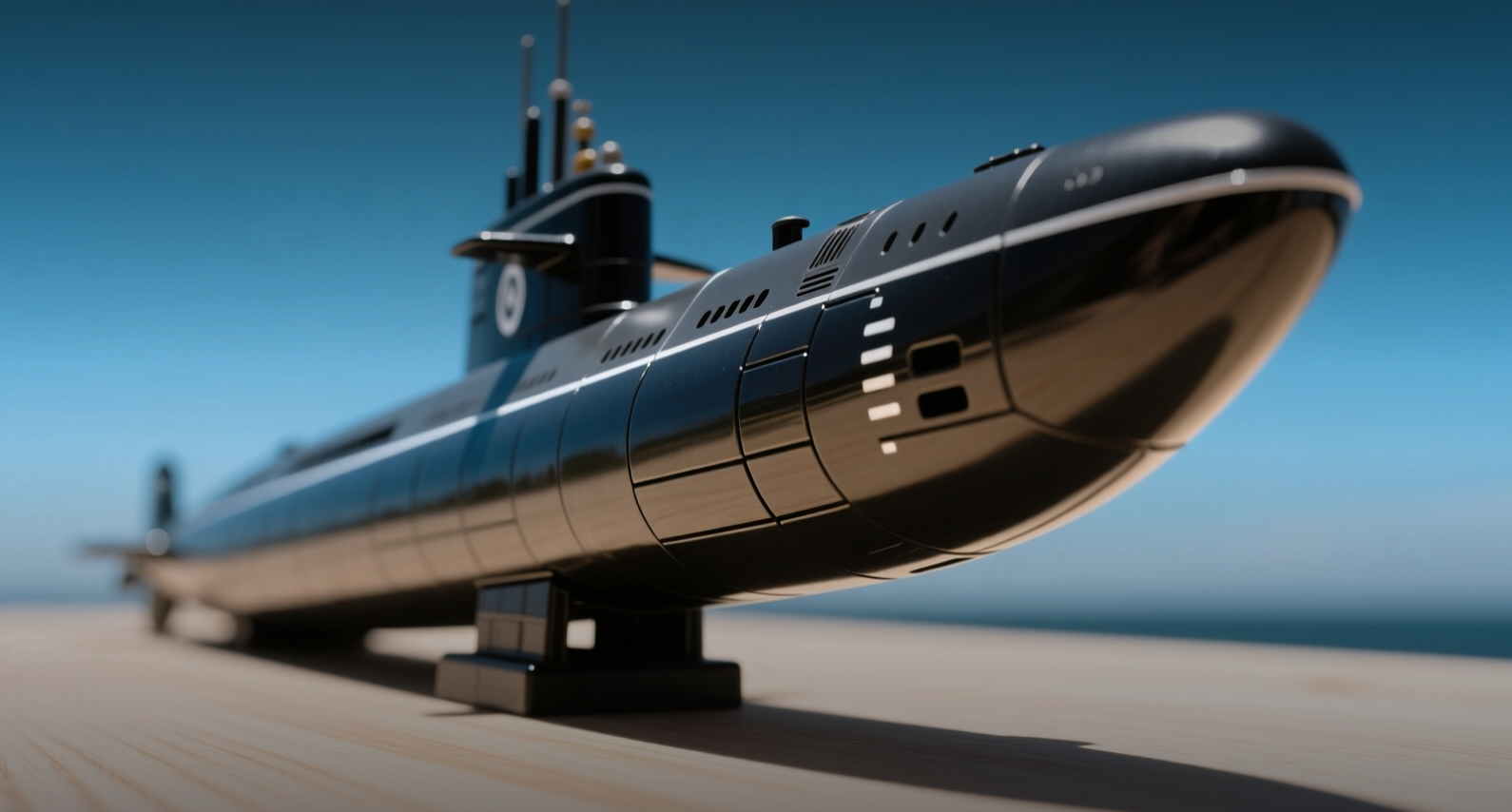
JPMorgan Chase is deploying $24 million in loans and grants to expand submarine manufacturing at the Philadelphia Navy Yard, part of a broader push to rebuild a U.S. shipbuilding industry that now builds less than 1 percent of the world's commercial vessels.
"The arsenal of democracy has been reignited," Jamie Dimon, chairman and CEO of JPMorganChase, told CNBC's Andrew Ross Sorkin. "People said it couldn't happen, but here you have Hanwha shipbuilding at the Philadelphia Navy Yard."
The package includes $13 million in New Markets Tax Credit equity for Rhoads Industries' new 95,000-square-foot submarine assembly facility expected to create 450 jobs, a $5 million low-cost loan to PIDC Community Capital for small business lending, and $2 million for skills training targeting 300 residents through University City District's program. An additional $2.4 million grant to the Greater Philadelphia Growth Partnership aims to coordinate employers, training providers and community organizations across five counties.
The investment comes as the U.S. maintains fewer than 190 flagged merchant vessels, down from nearly 3,000 in the 1960s, and faces an estimated need for 250,000 new skilled shipbuilding workers over the next decade, according to a report by the JPMorganChase PolicyCenter and Center for Geopolitics. The bank's $24 million commitment is part of its broader $1.5 trillion Security and Resiliency Initiative, a 10-year plan to finance industries critical to U.S. economic and national security that the firm expanded into Europe this year.
Why Philadelphia Became the Test Case
The Philadelphia Navy Yard, already home to 16,000 jobs across maritime industries, advanced manufacturing and life sciences, has become a focal point for the administration's push to counter China's dominance in shipbuilding. President Donald Trump has called for a major expansion of American shipbuilding capacity, noting in an executive order that China produces about half of the world's commercial vessels while the U.S. builds well below 1 percent.
South Korean conglomerate Hanwha last year announced a $5 billion infrastructure plan for its Philadelphia shipyard, acquired in 2024, with plans to hire up to 10,000 people over five years to build liquefied natural gas carriers, oil tankers and eventually full naval vessels. Rhoads Industries separately announced a $100 million expansion at the Navy Yard last year, nearly doubling its workforce to close to 1,000 employees as it assembles electric propulsion units for Northrop Grumman's Navy submarines.
"The Navy Yard has long been one of the most important economic engines in our city," said Philadelphia City Council President Kenyatta Johnson, whose district includes the facility. "By strengthening our shipbuilding industry, investing in workforce development and supporting small businesses, we're creating pathways to family-sustaining careers."
A Supply Chain Rebuilding Effort
Beyond the headline facility investment, JPMorgan's package targets the broader ecosystem. The $5 million loan to PIDC Community Capital is expected to support up to 15 small business loans for commercial real estate and working capital, while a $1.5 million grant to PIDC and the Delaware Valley Industrial Resource Center will provide technical assistance to as many as 100 maritime suppliers.
Chris Scafario, CEO of DVIRC, said the investments represent a "trial balloon" that could lead to more resources for the sector. "There are hundreds, if not thousands, of open positions that are being created or are created, waiting for the skilled workforce to sign on," he said. "Manufacturing careers once again provide this on-ramp to a middle and maybe even upper-middle class that was almost unimaginable as little as 10 years ago."
The bank's $2 million grant to the Skills Initiative at University City District will focus on expanding non-degree pathways into higher-wage roles aligned with shipbuilding and advanced manufacturing, targeting 300 local residents.
What the Bet Means for JPMorgan
For JPMorgan, the Philadelphia investment serves as a proof of concept for its Security and Resiliency Initiative, which the bank launched last year with $1.5 trillion in planned financing across defense, energy, infrastructure and other critical sectors. The expansion into Europe this year signals the program's ambition extends beyond U.S. borders.
Tim Berry, global head of corporate responsibility and chairman of the Mid-Atlantic region for JPMorganChase, said Philadelphia was chosen because "targeted, coordinated investment can translate into real economic mobility." The bank is betting that strengthening workforce pathways, supplier readiness and access to capital in one city can create a replicable model for other industrial hubs.
The stakes extend beyond corporate strategy. As geopolitical tensions rise — including wars in the Middle East and Ukraine — governments are racing to rearm and rebuild domestic industrial capacity. The U.S. Navy reportedly plans to build a new battleship and several other vessels while spending billions to accelerate nuclear-powered submarine production. If JPMorgan's model works in Philadelphia, it could reshape how private capital flows into the defense industrial base.
This article is for informational purposes only and does not constitute investment advice.
