
Iran's five-month endurance window under the US naval blockade is expiring, forcing Tehran to choose between concessions and escalation that could push crude above $100 a barrel.
Iran's five-month endurance window under the US naval blockade is expiring, forcing Tehran to choose between concessions and escalation that could push crude above $100 a barrel.
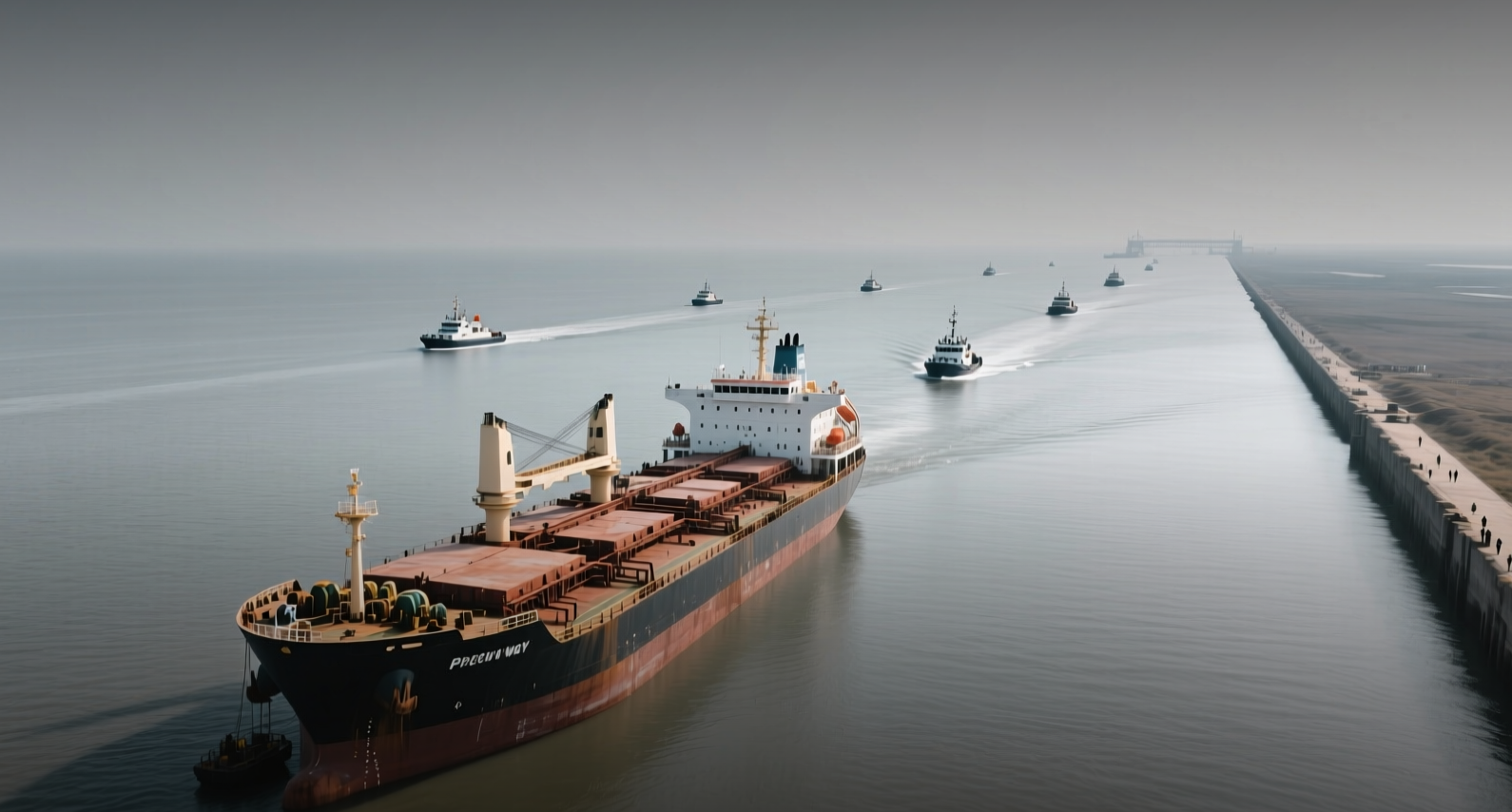
Iranian oil exports have been effectively halted since July, and Tehran's self-imposed five-month endurance deadline is approaching, forcing a binary choice between negotiating under pressure and escalating toward a crude price spike above $100.
"The assumptions of both sides have not come true, and both of them also do not have an exit," said Vali Nasr, professor of Middle East studies at Johns Hopkins University and a former State Department official involved in informal contacts with Iran.
TankerTrackers.com data shows Middle East crude exports fell 39 percent in August from the January-February baseline of 18.5 million barrels per day, with the current deficit at 7.2 million bpd. Iran's baseline exports of 1.68 million bpd have effectively dropped to zero, while the roughly 5 million bpd still transiting the Strait of Hormuz is almost entirely Gulf Arab crude moving under US Navy escort. Global crude prices have stayed below $100 a barrel, partly because China has drawn down domestic reserves and reduced imports.
The stakes extend beyond oil. Iran's rial is depreciating rapidly, inflation is accelerating, gasoline shortages are common, and President Masoud Pezeshkian has acknowledged trade has contracted between 25 percent and 35 percent. Treasury Secretary Scott Bessent said roughly 30 million barrels of Iranian crude remain in floating storage that China has not yet purchased, and Washington expects those supplies to run out soon.
"One option for them is to cave in. The other is to escalate in a much bigger way, to try to fight their way out of the corner," Nasr said. "Their calculation is that even if they have to go back to the negotiating table and even if they have to make concessions, they would have to make fewer concessions if they put more pressure militarily."
Iranian officials initially estimated they could hold out about five months without catastrophic economic consequences when the blockade was first imposed in April and reimposed in July after the June memorandum of understanding collapsed. That timeline is now approaching its end, and Tehran announced plans Sunday to establish an "exclusion zone" outside the Strait of Hormuz targeting vessels attempting to transit the waterway — a move that follows US strikes on three Iranian oil tankers and Iranian ballistic missile launches toward US warships.
The political calendar in Washington complicates Tehran's calculus. Iranian leaders are acutely aware of the war's unpopularity in the United States, where higher gasoline prices are a political liability for President Donald Trump ahead of November midterm elections. Tehran has little incentive to ease pressure on the administration that ordered the assassination of much of Iran's political and military leadership in February.
"As the clock starts ticking, the viewpoint in Tehran is: 'Why on earth would we relieve any pressure on Trump to make concessions? Let's make him feel pain at the polls,'" said Ellie Geranmayeh, Iran expert at the European Council on Foreign Relations.
Real power in Tehran rests with Islamic Revolutionary Guard Corps commanders, including new Supreme National Security Council chief Mohsen Rezaei and IRGC chief Ahmad Vahidi, rather than civilian leaders like Pezeshkian who have called for renewed talks. Supreme Leader Mojtaba Khamenei remains in hiding after injuries sustained in the February strike that killed his father, Ali Khamenei.
The last time Iran faced a comparable economic siege was during the 2012-2015 sanctions regime, when oil exports fell from 2.5 million bpd to about 1 million bpd before the nuclear deal provided relief. That episode took more than three years to force concessions, far longer than the current five-month window Tehran set for itself.
Dennis Ross, a former US negotiator, said the Revolutionary Guards may believe Iran can absorb the economic pain and outlast the pressure rather than compromise. "The Iranians have consistently surprised us in terms of their resiliency," he said. The clearest path to a deal may lie in the dispute over shipping fees through the Strait of Hormuz, Ross said, with Iran abandoning demands for a toll while retaining the right to charge for legitimate navigational services.
"If you could announce that the Strait were reopened, I think Trump would do a deal," Ross said.
For energy markets, the next several weeks are decisive. If Tehran escalates militarily, crude prices could break above $100 a barrel, hitting global inflation expectations and complicating central bank policy. If a diplomatic formula emerges, oil prices could fall sharply as Gulf exports normalize. OPEC+ kept output policy unchanged for October at its Sunday meeting, leaving spare capacity as the primary buffer against supply disruption.
This article is for informational purposes only and does not constitute investment advice.
