

GoPro is betting its 24-year imaging legacy on a pivot into AI data center optics, paying shareholders $285 million to reset the company around U.S.-made optical transceivers.
GoPro is betting its 24-year imaging legacy on a pivot into AI data center optics, paying shareholders $285 million to reset the company around U.S.-made optical transceivers.
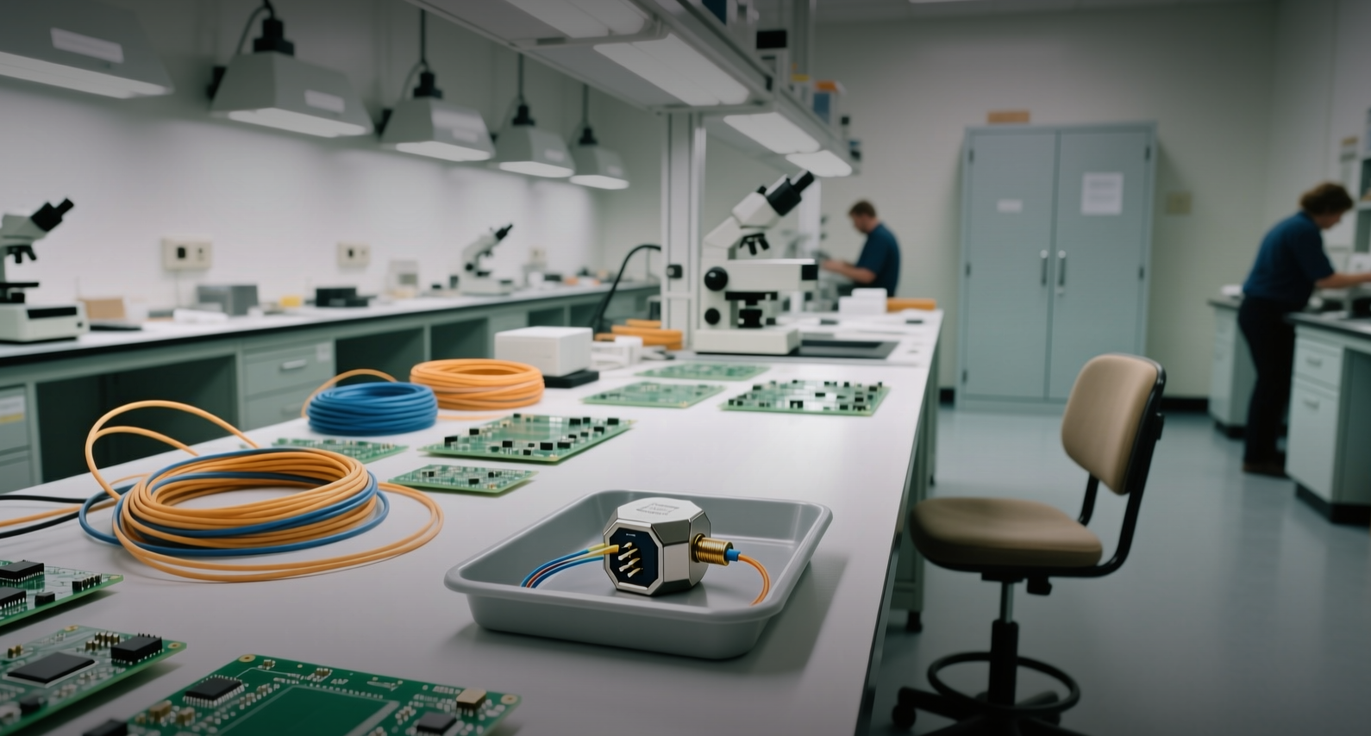
GoPro agreed to merge with Starman Optical in a deal that pays shareholders $285 million, or $1.14 per share, while keeping the camera maker publicly listed on Nasdaq and pivoting toward AI infrastructure and defense markets. The transaction, announced Sept. 1, was approved by both companies' boards and is expected to close by year-end 2026.
"The combination of GoPro's world-class optical expertise and intellectual property with Starman's advanced transceiver capabilities and U.S. manufacturing platform creates a unique opportunity," said Charles Tebele, chief executive officer of Starman Holding. "Together, we intend to bring production of these critical components back to the United States."
GoPro shareholders will retain approximately 10 percent of the combined company's outstanding shares, while the company's roughly $92 million in debt will be repaid in full at closing, leaving a substantially debt-free balance sheet. Houlihan Lokey advised GoPro and provided a fairness opinion; Fenwick & West served as legal counsel. The merger requires stockholder approval and regulatory clearances.
The deal reframes GoPro's portfolio of more than 2,500 U.S. patents around Starman's U.S.-made optical transceivers, targeting the rapidly growing AI data center market and government, defense, and aerospace contracts. GoPro will continue supporting its consumer cameras — including the HERO, MAX, and MISSION lines — and its subscription and cloud platform while investing in a broader product roadmap.
GoPro founder and CEO Nicholas Woodman framed the merger as a national security play. "We expect this merger to enable GoPro to grow across consumer, commercial and defense markets as a leading American imaging and optical solutions company, addressing important areas of national security related to cameras, optics and AI infrastructure," he said.
The deal arrives as GoPro has been expanding its camera lineup — the company recently launched the MISSION 1 PRO ILS, described as the world's smallest compact cinema camera with interchangeable lenses — while facing persistent competitive pressure in the action camera segment from rivals such as DJI and Insta360. The merger shifts the company's center of gravity from consumer hardware toward the optical transceiver market, where U.S.-based manufacturers compete with Asian suppliers for AI data center contracts.
Starman, a privately held optical-photonics company under Starman Holding, brings domestic manufacturing capabilities for optical transceivers — components critical to high-speed data transmission in AI data centers. The combined company intends to use GoPro's optics and imaging IP across defense, government, robotics, and aerospace markets, building on demand for U.S.-made solutions.
What's at Stake
The $285 million cash distribution to shareholders represents a significant payout event for GoPro investors, who have watched the stock struggle in recent years as the action camera market matured. The per-share payment of $1.14, combined with the 10 percent retained ownership stake, effectively resets the company's capital structure while preserving a path for upside in the combined entity.
For Starman, the merger provides access to public markets and GoPro's extensive patent portfolio without a traditional IPO. The deal structure — cash to existing shareholders plus a minority stake in the combined company — mirrors a pattern increasingly used by private technology firms seeking public listings with less regulatory friction than a conventional IPO.
The transaction's success hinges on regulatory approval and stockholder votes, with the proxy statement expected to be filed with the SEC in the coming weeks. If completed as planned, GoPro will emerge as a substantially different company — one that still sells action cameras but derives its growth narrative from AI infrastructure and defense contracts.
This article is for informational purposes only and does not constitute investment advice.
