
Global EV demand rose for a fourth straight month in June 2026, with Europe's 87% sales surge offsetting weakness in China and North America, Benchmark Mineral Intelligence data shows.
Global EV demand rose for a fourth straight month in June 2026, with Europe's 87% sales surge offsetting weakness in China and North America, Benchmark Mineral Intelligence data shows.
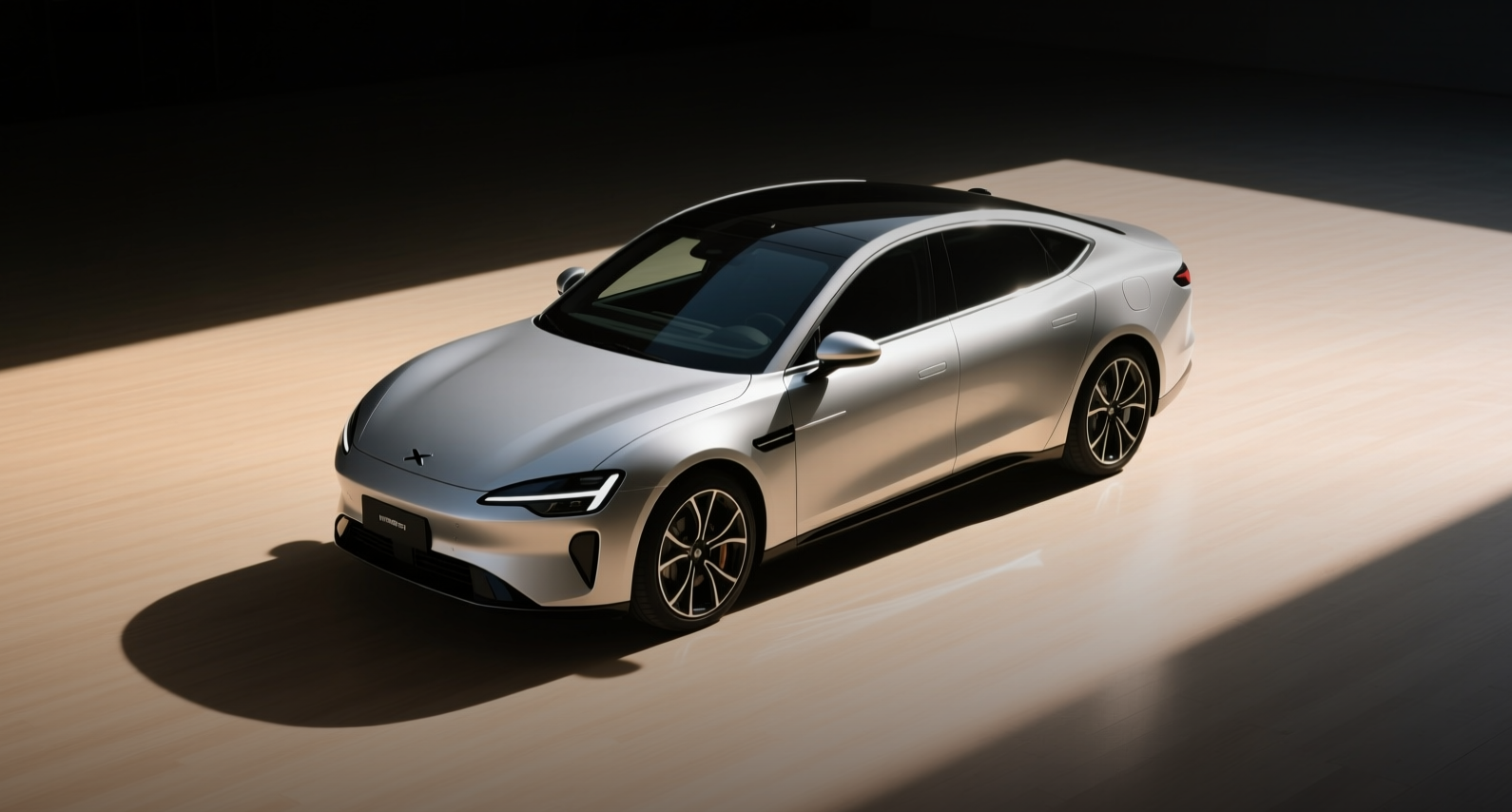
Global electric-vehicle demand rose for a fourth straight month in June, with Europe's surging sales offsetting a slowdown in China and North America.
Global EV demand increased in June for the fourth consecutive month, driven by a surge in European sales that offset weakening demand in China and North America, data from consultancy Benchmark Mineral Intelligence showed Friday.
"Europe is pulling ahead of other regions in EV adoption as new models and stricter emissions targets drive consumer demand," said Caspar Rawles, chief data officer at Benchmark Mineral Intelligence. "The gap between Europe and the rest of the world is widening."
European EV sales jumped 87% year-over-year in the second quarter, with Mercedes-Benz reporting a 50% increase in global battery-electric vehicle sales to 63,000 units. Europe alone accounted for roughly 82% of Mercedes' global EV sales during the quarter, and the automaker's BEV share on the continent nearly doubled to 26%, according to company data released Thursday.
The divergence highlights a growing split in the global EV market. Europe's acceleration comes as Chinese automakers face a brutal price war at home — domestic passenger car sales fell 26% in June — and U.S. tariffs effectively block Chinese EV imports. China's passenger car exports surged 80% in June to about 905,000 vehicles, but much of that growth came from gasoline-powered cars and hybrids rather than pure EVs, according to the China Association of Automobile Manufacturers.
Europe's EV momentum is being driven by new product launches and tightening emissions regulations. Mercedes' new CLA electric sedan is already in customer hands, while order books for the electric C-Class and GLC are open ahead of year-end deliveries. The German automaker's EV sales in its home market doubled, with battery-electric vehicles accounting for 28.4% of all new car registrations in Germany in June, data from the Federal Motor Transport Authority showed.
The contrast with China is stark. The world's largest auto market is mired in a price war that has squeezed margins across the industry. A prolonged property slump has hurt household budgets, and cutbacks in government support for EV purchases have further dampened demand. Consultancy AlixPartners forecast that China's light-vehicle sales could fall 10% this year, partly because buyers are waiting for prices to drop further.
"Going global has become a necessity for automakers in China," Wei Haigang, president of GAC International, said at an autos expo in Hong Kong in June. "In China's highly competitive environment, companies that don't venture overseas will face immense difficulties in surviving."
Chinese brands are expanding overseas despite trade barriers. Canada recently approved an annual import quota of 49,000 EVs from China at a low tax rate, which analysts say could pave the way for broader North American access. Meanwhile, Sweden-based Polestar, controlled by Chinese auto group Geely, was banned by the U.S. Commerce Department from selling vehicles in the U.S. from the 2027 model year.
The regional divergence has significant implications for the EV supply chain. European-focused automakers like Mercedes, Volkswagen, and Stellantis stand to benefit from the demand surge, while Chinese EV makers including BYD and NIO face margin pressure at home even as they ramp up exports. Benchmark Mineral Intelligence's data suggests global EV demand remains on an upward trajectory, with AlixPartners forecasting Chinese exports could reach about 10 million vehicles in 2026, up from around 7 million in 2025.
Higher gasoline prices due to geopolitical tensions could further lift global interest in EVs, according to S&P Global Ratings analyst Stephen Chan, who projected Chinese passenger car exports could grow 30% to 50% for the full year 2026. For investors, the key question is whether European demand can sustain its current pace — and whether Chinese EV makers can replicate their domestic cost advantages in overseas markets without triggering further trade retaliation.
This article is for informational purposes only and does not constitute investment advice.
