

FuelCell Energy's partnership with Siemens to deploy fuel cell systems above 100 megawatts positions the company to capture surging data center power demand.
FuelCell Energy's partnership with Siemens to deploy fuel cell systems above 100 megawatts positions the company to capture surging data center power demand.
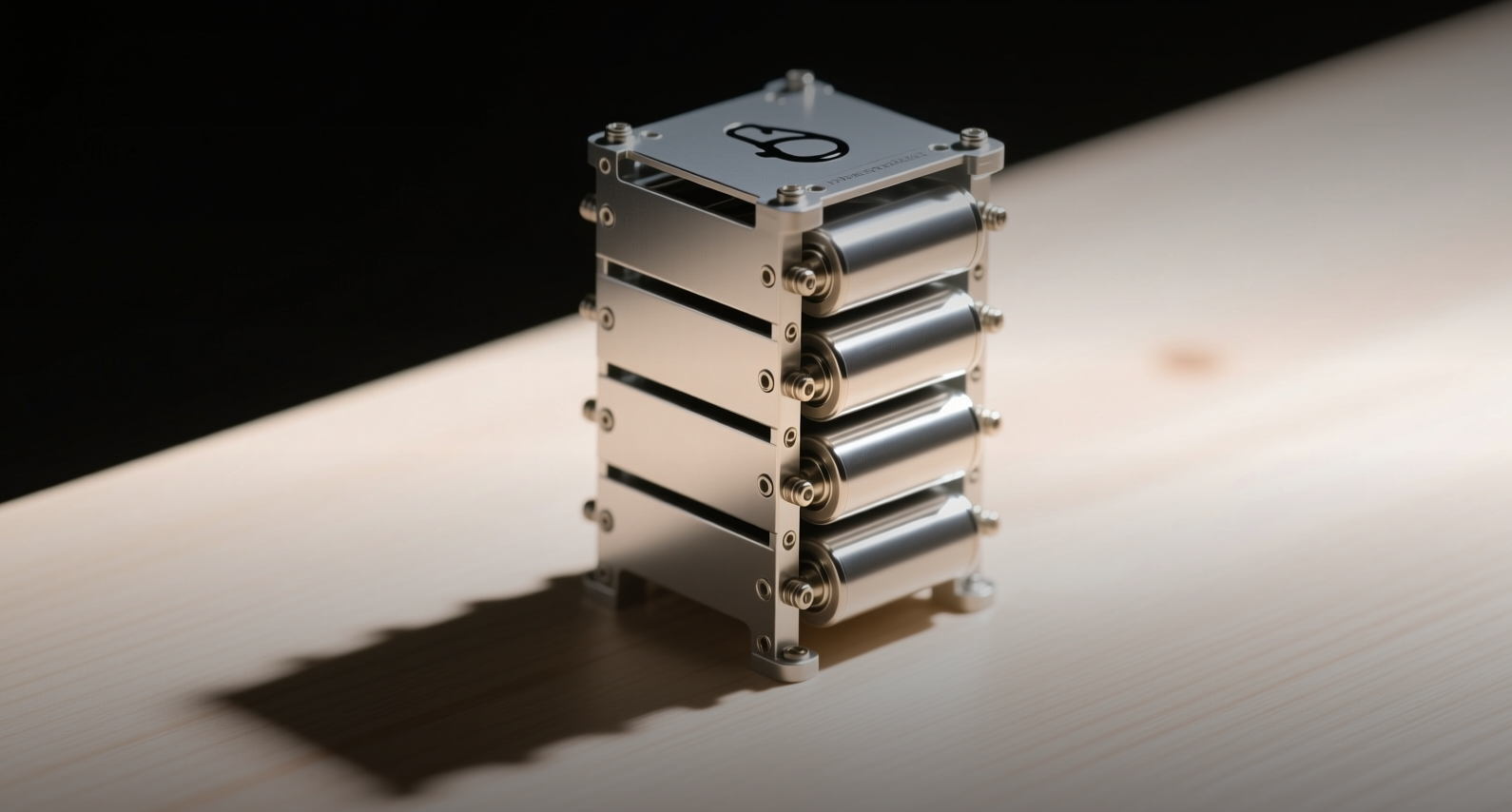
FuelCell Energy Inc. shares have surged more than 187% in 2026 after the fuel cell developer partnered with Siemens AG to accelerate deployment of commercial power systems exceeding 100 megawatts for data centers and industrial customers.
The collaboration, formalized through a memorandum of understanding, combines FuelCell Energy's molten carbonate fuel cell technology with Siemens' electrical infrastructure expertise. Siemens will design and supply the electrical balance of plant systems, enabling FuelCell to scale projects beyond the 100-megawatt threshold — a size that opens the door to large-scale data center and utility contracts.
FuelCell Energy reported a backlog of $1.14 billion as of its second-quarter 2026 earnings, with the sales pipeline growing 267% sequentially between the first and second quarters. The company also announced a $225 million common stock offering, which has raised dilution concerns among investors. Shares trade at $8.63, well below the 52-week high of $37.88, with a beta of 2.3 reflecting the stock's volatility.
Data center power demand is expected to double over the next year as artificial intelligence workloads expand, according to industry estimates. Traditional grid infrastructure has struggled to keep pace, driving interest in on-site generation. FuelCell's technology provides continuous baseload power, positioning it as an alternative to natural gas peaker plants and grid extensions for hyperscale data center operators.
The Siemens partnership addresses the biggest hurdle facing FuelCell Energy: scaling from pilot projects to commercial deployment. Siemens brings decades of experience in electrical system integration, medium-voltage infrastructure, and project management — capabilities that FuelCell lacks on its own. The two companies also plan to explore medium-voltage DC power delivery and modular electrical systems through pilot programs.
For investors, the question is whether FuelCell can convert its pipeline into recurring revenue before dilution erodes shareholder value. The $1.14 billion backlog provides visibility into future revenue, but the company must demonstrate it can execute at scale. Nvidia Corp., whose GPUs power the AI data center boom, has seen its own data center revenue surge to $47.5 billion in the most recent fiscal year, underscoring the scale of the market FuelCell is targeting.
This article is for informational purposes only and does not constitute investment advice.
