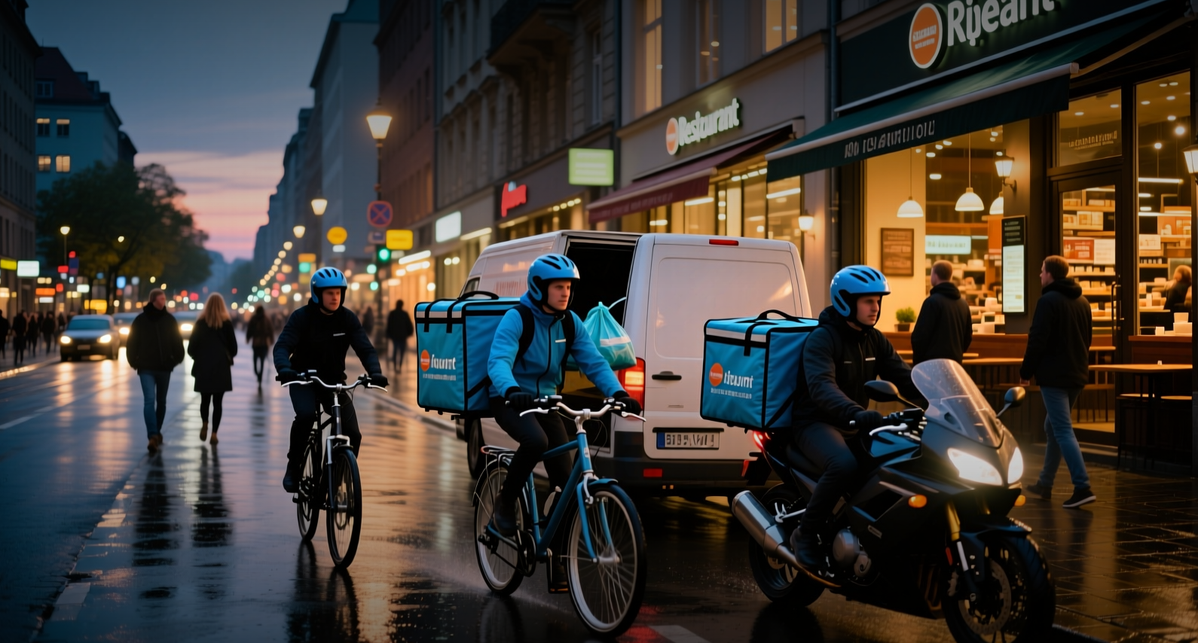
Delivery Hero raised its 2026 like-for-like revenue growth forecast to 17%-19% from 14%-16% after first-half adjusted EBITDA beat estimates.
"We delivered a strong first half, with a further acceleration of GMV growth, adjusted EBITDA ahead of expectations, and a significant step up in cash generation," Chief Financial Officer Marie-Anne Popp said in a statement.
The Berlin-based company now projects gross merchandise value growth of 9% to 11% this year, up from a prior range of 8% to 10%. Analysts polled by the company had forecast yearly GMV growth of 9.1%, implying €51.63 billion ($60.17 billion) in total marketplace value. The revised range sits above consensus, reflecting management's confidence in sustained demand. Adjusted earnings before interest, taxes, depreciation and amortization grew 3.9% to €427 million in the first half, exceeding the €396 million analysts had projected.
Shares rose 1.3% in early Frankfurt trading. The guidance raise comes as Uber's $14.8 billion takeover offer, priced at €41.50 per share, advances through regulatory review, with closing expected in the second half of 2027. Berenberg analysts said the current 12% discount to the offer price is too wide and did not rule out a sweetened bid over time.
The company still posted a net loss of €392.4 million for the first half, missing market expectations. The loss was driven by €172.7 million in legal provisions set aside for antitrust issues and other matters, along with elevated financing costs tied to the company's debt load.
Berenberg attributed the stronger-than-expected growth to easing discounting by competitors and Delivery Hero's continued platform investments, despite pressure in South Korea and the Middle East and North Africa region. The stronger earnings suggest the company was gaining operational momentum before Uber's latest takeover approach in July. The company's performance has been uneven across regions, with strong growth in some markets offset by competitive pressure in others.
Delivery Hero said it would continue to operate independently from Uber until the transaction closes. As part of the deal, the company plans to divest operations in 14 markets to SSW Partners, a move designed to address regulatory concerns in certain jurisdictions.
The guidance raise shows management expects online food delivery demand to accelerate through the rest of the year. Investors will watch for regulatory updates on the Uber transaction and whether the company can sustain improved margins in core markets until the deal closes in 2027. The raised outlook also strengthens Delivery Hero's negotiating position as the Uber deal moves through final regulatory stages. Any delay in closing would extend the company's exposure to current market risks and financing costs.
This article is for informational purposes only and does not constitute investment advice.