


Key Takeaways:
- Q2 loss of 94 cents a share, narrower than the $1.10 consensus estimate
- Revenue of $10.2 million beat the $7 million forecast
- Casgevy sales rose 151% year over year to $76 million
Key Takeaways:
CRISPR Therapeutics reported a Q2 loss of 94 cents a share, narrower than the $1.10 consensus, on revenue of $10.2 million.
"The second quarter reflected strong execution across CRISPR Therapeutics' portfolio and platform," Samarth Kulkarni, chairman and chief executive officer, said.
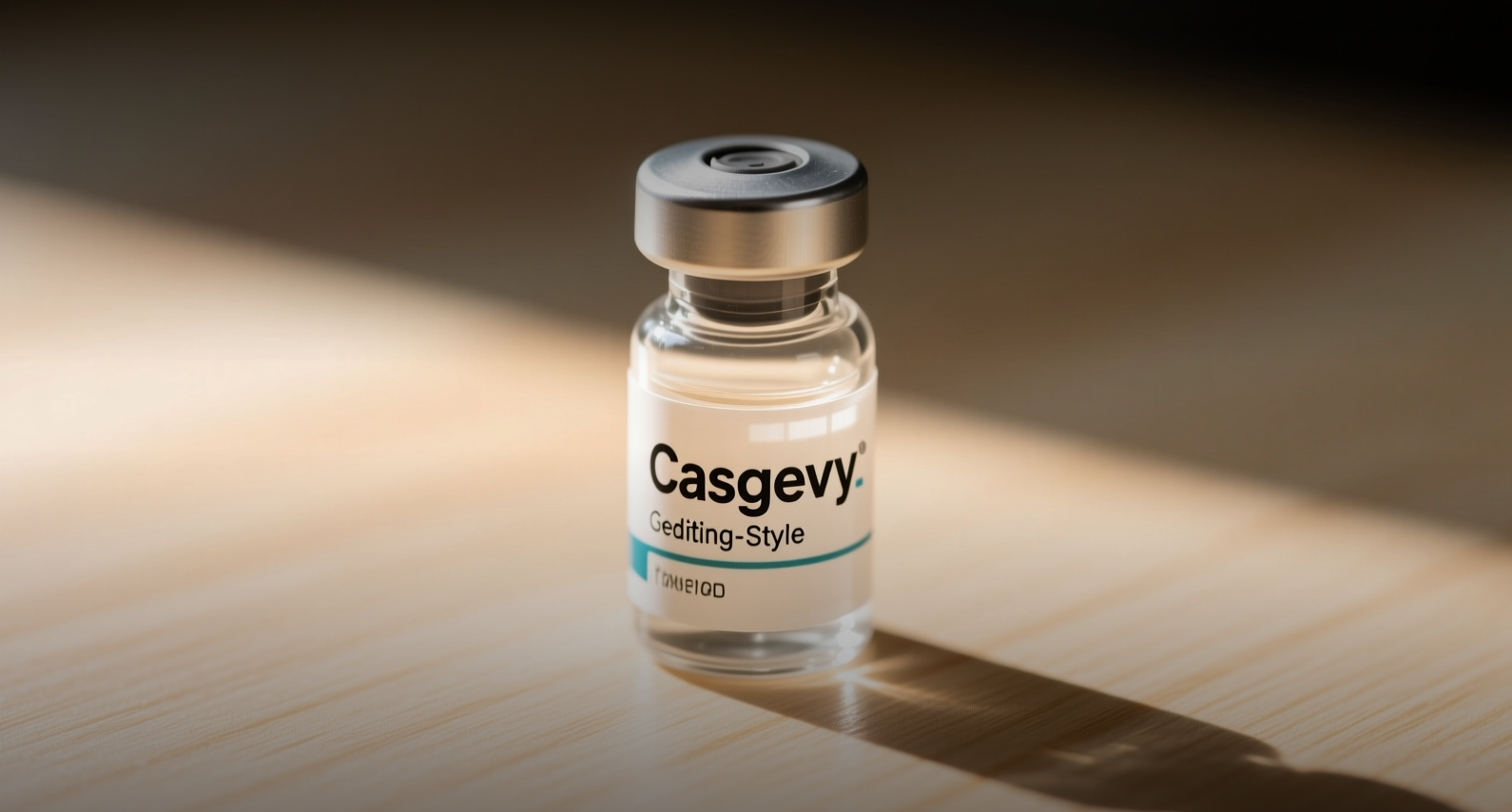
Casgevy (exagamglogene autotemcel), the CRISPR/Cas9 gene therapy developed with Vertex Pharmaceuticals, generated $76 million in sales, up 78% sequentially and 151% year over year. The FDA in July approved Casgevy for children aged two and older with sickle cell disease and transfusion-dependent beta thalassemia, making it the first genetic therapy cleared for patients that young and newly qualifying about 5,500 people. Vertex leads global development and commercialization of Casgevy, splitting program costs and profits with CRISPR on a 60:40 basis.
CRISPR exited June with $2.36 billion in cash, cash equivalents and marketable securities, down from $2.44 billion at the end of March. The company raised $585.4 million in net proceeds from convertible senior notes in March to fund operations. Shares have lost 5.4% year to date while the biomedical and genetics industry rose 2.8%.
R&D expenses fell 3.9% to $67.2 million, while general and administrative costs declined 6.9% to $17.6 million. Acquired in-process research and development expenses dropped to $2.5 million from $96.3 million a year earlier, when the company recorded costs tied to its Sirius Therapeutics agreement.
CRISPR is advancing CTX310, a gene-editing therapy targeting ANGPTL3, in a phase Ib study for severe hypertriglyceridemia and refractory hypercholesterolemia, with an update expected in the second half of 2026. The company initiated phase I trials of CTX340 for refractory hypertension and CTX460 for alpha-1 antitrypsin deficiency after receiving FDA clearance. Zugo-cel, its allogeneic CAR-T candidate, is being evaluated across autoimmune diseases and B-cell malignancies, including a combination study with Eli Lilly's Jaypirca, with several updates expected in the second half of 2026.
The narrower loss and Casgevy momentum show CRISPR's commercial engine is taking hold even as the company funds a broad pipeline. Investors will watch the phase Ib CTX310 data and zugo-cel updates in the second half of 2026 for signs the in vivo and cell therapy platforms can deliver beyond the hemoglobinopathies market.
This article is for informational purposes only and does not constitute investment advice.
