

Costco opens its first standalone fuel-only station, breaking from the warehouse-and-gas model that has defined the retailer for decades.
Costco opens its first standalone fuel-only station, breaking from the warehouse-and-gas model that has defined the retailer for decades.
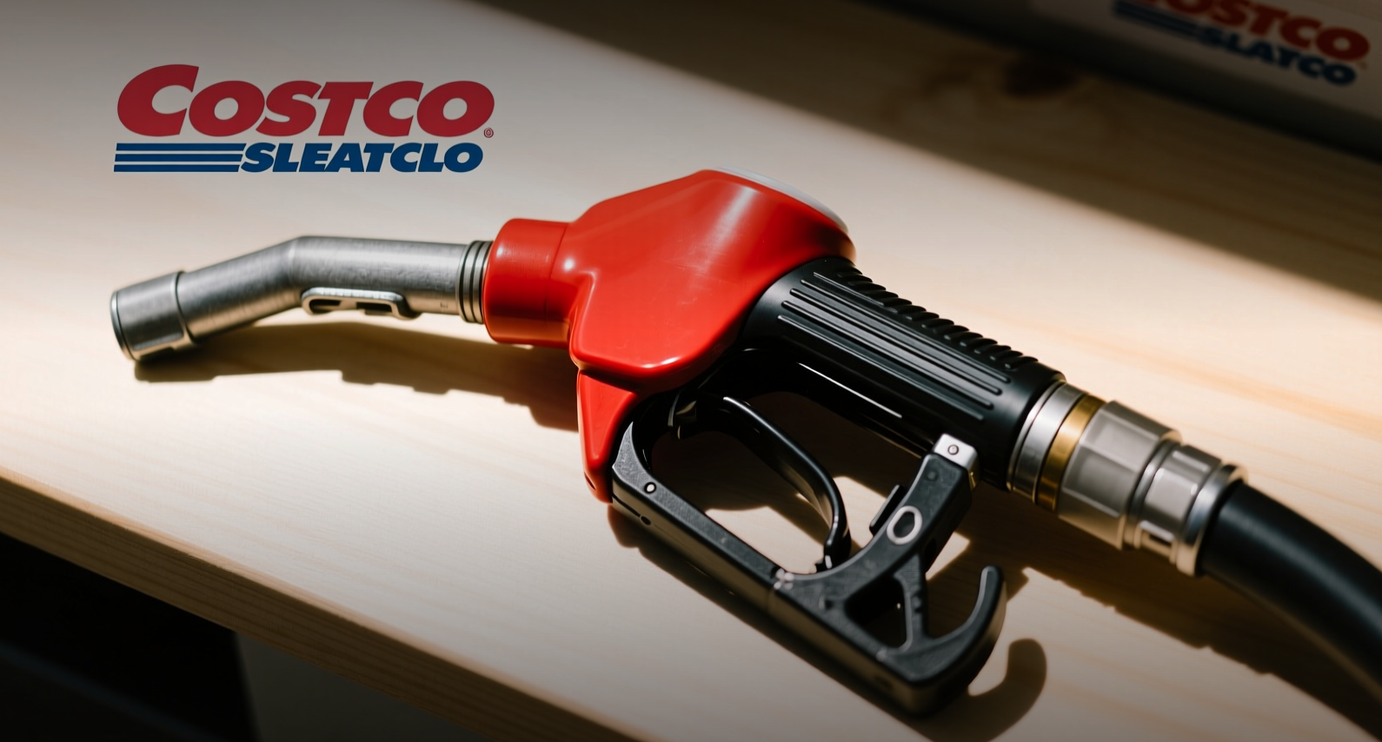
Costco Wholesale Corp. opened its first standalone fuel-only retail location in Mission Viejo, California, this summer, breaking from the warehouse-and-gas model that has defined the retailer for decades. The station has no warehouse, convenience store, or food court — just 16 pumps serving members at prices typically 20 cents to 30 cents below local competitors.
"Wherever they go, it'll be a sizable revenue opportunity for whatever city it's in," Dennis Houghton, a commissioner on the Santa Barbara Airport Commission, said during a March meeting where the panel approved an exclusive negotiation agreement with Costco for a potential second standalone site.
The Mission Viejo station is the first test of a format Costco is exploring for high-cost or dense markets where building a full warehouse is impractical. The company is also evaluating a site in Goleta, California, 2.5 miles from its existing warehouse there, after the Santa Barbara Airport Commission granted a 12-month exclusive negotiation period for a parcel at 6050 Hollister Ave. and 140 Frederick Lopez Road. Airport Director Christopher Hastert told commissioners that Costco "would much prefer to have it collocated with the warehouse, but they're looking at all options."
The standalone format represents a strategic hedge for a company whose gas stations have long been a powerful member acquisition tool. Costco operates more than 850 warehouses globally, with roughly 600 offering fuel, and its gasoline business generates an estimated $20 billion in annual revenue — though margins are razor-thin by design, as the company uses low fuel prices to drive membership traffic into its warehouses. The risk of the new format is that without the adjacent store, the gas station loses its primary cross-sell function. The reward is access to real estate that is too expensive or too constrained for a 150,000-square-foot warehouse but viable for a half-acre fuel station.
The experiment comes as Costco faces rising competition from warehouse rivals and traditional grocers expanding their fuel offerings. BJ's Wholesale Club and Sam's Club both operate gas stations at most locations, and Kroger Co. has been adding fuel centers at its supermarket chains. Costco's membership model — with annual fees of $60 for a Gold Star membership and $120 for an Executive membership — gives it a structural advantage in pricing fuel below market, since the membership revenue subsidizes the thin fuel margins.
Costco has not disclosed plans for additional standalone stations beyond the Mission Viejo and potential Goleta sites. The company's next quarterly earnings report, expected in September, may provide more detail on the format's early performance and expansion plans.
This article is for informational purposes only and does not constitute investment advice.
