
Key Takeaways
- China's NEA ordered CCUS and green hydrogen tech breakthroughs by 2028
- Plan targets supercritical CO2 power generation and large-scale hydrogen storage
- Policy adds technology-forcing layer to China's existing 2030 carbon-peaking goals
Key Takeaways
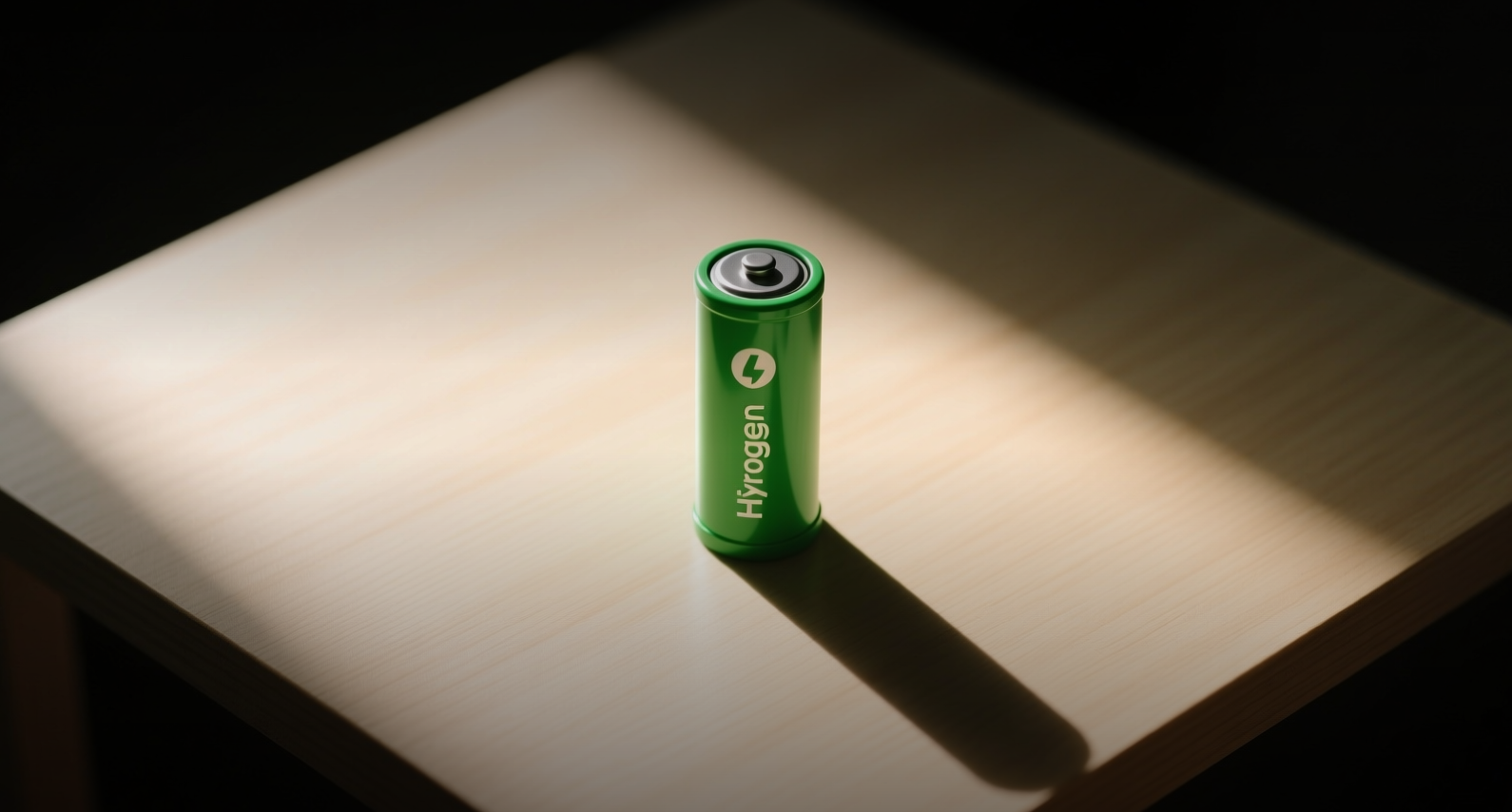
China's energy regulator ordered breakthroughs in carbon capture and green hydrogen technologies by 2028, adding a technology-forcing layer to the world's largest clean-energy push.
China's National Energy Administration ordered breakthroughs in carbon capture and green hydrogen technologies by 2028, adding a technology-forcing layer to the world's largest clean-energy push. The "Energy Sector Energy Conservation and Carbon Reduction Action Plan (2026-2028)" mandates research into supercritical carbon dioxide power generation, carbon capture utilization and storage, flexible wind-solar hydrogen production, large-scale safe hydrogen storage, and long-distance hydrogen transport.
"These are the technologies that bridge the gap between renewable power generation and industrial decarbonization," said Li Shuo, director of the China Climate Hub at the Asia Society Policy Institute. "Without CCUS and green hydrogen, China's heavy industry and power sectors cannot reach net-zero regardless of how much solar and wind capacity it installs."
The plan arrives as China's non-fossil energy sources account for 21.7 percent of total energy consumption, with a target of 25 percent by 2030. Installed wind and solar capacity must reach 2.8 billion kilowatts by that date, up from current levels. The NEA also targets 300 million kilowatts of new energy storage capacity and 160 million kilowatts of pumped-storage hydropower. The country's new energy vehicle fleet reached 43.97 million units by end-2025, representing 12.01 percent of total vehicles, with a 30 percent target by 2030.
The stakes extend beyond China's borders. The Iran war and the effective closure of the Strait of Hormuz have pushed Asian and African importers to accelerate solar and battery adoption, with Chinese solar panel exports rising more than 80 percent year-over-year in March alone. China exported more than 2 million electric passenger vehicles between January and May. The NEA's technology push positions Chinese manufacturers to supply not just hardware but the next generation of decarbonization technology to markets seeking alternatives to fossil fuel imports.
Hydrogen and Carbon Capture Take Center Stage
The plan specifically targets green hydrogen synthesis catalysis, low-carbon synthesis processes, and long-distance storage and transportation technologies. These are the components required to make green hydrogen cost-competitive with gray hydrogen produced from natural gas. China currently produces about 33 million tons of hydrogen annually, the vast majority from coal and natural gas, according to the International Energy Agency. Replacing that with electrolytic hydrogen would require massive cost reductions in electrolyzers and renewable power.
CCUS technology, meanwhile, addresses the 5.5 billion tons of carbon dioxide China's power sector emits annually — more than the total emissions of the European Union. The last time China issued a national-level CCUS technology mandate was in the 14th Five-Year Plan period, which preceded a wave of pilot projects at coal-fired power plants operated by China Energy Investment Corp. and China Huaneng Group.
Industrial Decarbonization Targets
The broader action plan calls for building approximately 100 national-level zero-carbon parks and 500 zero-carbon factories during the 15th Five-Year Plan period. It also proposes a national low-carbon transition fund to guide private capital toward carbon-peaking and carbon-neutrality projects. The plan targets a 17 percent reduction in carbon dioxide emissions per unit of GDP compared with 2025 levels.
For Chinese energy and industrial companies, the technology mandates create both compliance costs and commercial opportunities. Sinopec, China's largest refiner, has already built the country's largest CCUS facility in Qilu, with capacity to capture 1 million tons of CO2 annually. State Power Investment Corp. and China Three Gorges are among the state-owned enterprises investing in green hydrogen demonstration projects. The NEA's 2028 deadline compresses development timelines and signals that Beijing views these technologies as strategic industries rather than experimental research.
This article is for informational purposes only and does not constitute investment advice.
