

China shipped 97 percent of the world's humanoid robots in H1 2026, pushing the industry from prototypes to factory floors.
China shipped 97 percent of the world's humanoid robots in H1 2026, pushing the industry from prototypes to factory floors.
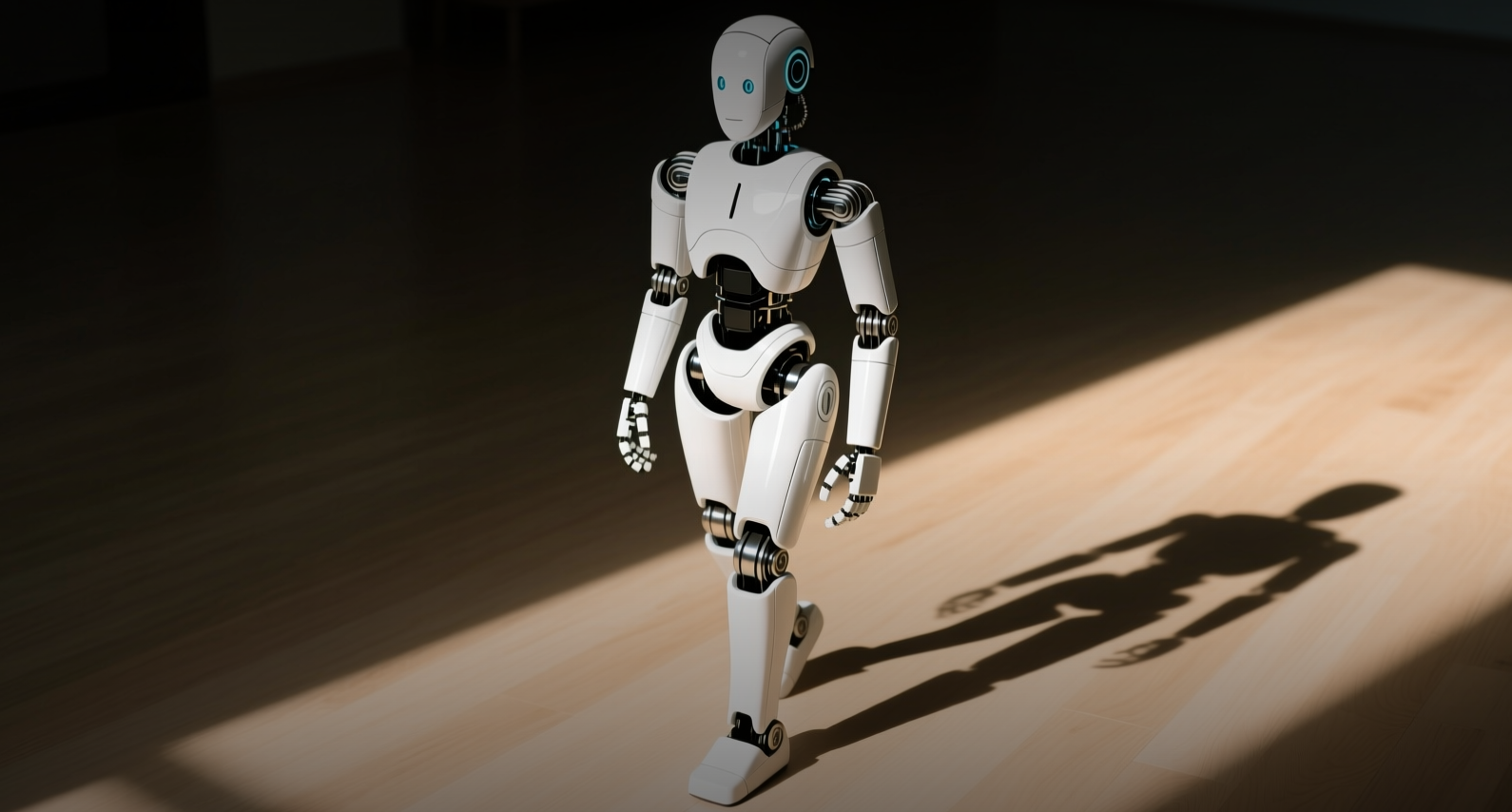
China shipped 18,500 humanoid robots in the first half of 2026, capturing 97 percent of the global total of 19,100 units, as the sector moved from lab demonstrations to commercial orders. Shipments jumped 272 percent from a year earlier, according to Smart Analytics Global, nearly matching the roughly 18,000 units sold worldwide in all of 2025.
"China's robotics industry revenue crossed 300 billion yuan in 2025, with average annual growth above 20 percent over the past five years," Vice Minister of Industry and Information Technology Xin Guobin said at the opening of the 2026 World Robot Conference in Beijing. First-half revenue reached 165.5 billion yuan, up 24.5 percent from a year earlier, he said.
Two domestic makers dominate volume. AgiBot shipped about 8,400 units in H1 2026, a 44 percent global share and a 562 percent jump, while Unitree delivered roughly 5,900 units for a 31 percent share, per Smart Analytics Global. Together they accounted for about three-quarters of worldwide shipments. Galbot, UBTECH and Leju each shipped fewer than 1,000 units. Tesla's Optimus V3, expected to enter mass production in the second half of 2026, sources about 70 percent of its core components from more than ten Chinese suppliers including Tuopu Group, Sanhua Holdings and Xusheng Group.
Unitree became the first humanoid robot company to list on the A-share market when China's securities regulator approved its STAR Market IPO on July 2, 2026, after a 104-day review. The company plans to raise 4.202 billion yuan, about $619 million, and its shares surged nearly sixfold on debut. Morgan Stanley has raised its 2026 China shipment forecast twice, to 50,000 units, and projects the market reaching $15 billion by 2030.
Reducers, lead screws and motors account for roughly 45 percent of a humanoid robot's bill of materials, and actuators and sensors push that share to 60-70 percent of total cost. China's advantage is proximity: a motor factory in Dongguan sits a 40-minute drive from Unitree's assembly line, and battery technology from CATL transfers directly from electric vehicles to robots. More than 140 humanoid robot companies operate in China, and Chinese customers represented over 85 percent of global demand in the first half.
Morgan Stanley expects China shipments to reach 446,000 units annually by 2030, while Smart Analytics Global projects 500,000 units worldwide that year and Goldman Sachs sees 502,000 by 2032. Industrial and commercial applications accounted for over 70 percent of shipments in H1 2026, up from about 50 percent a year earlier, as robots moved into warehouses and factories. China's "Real-Scene Training" initiative aims to deploy more than 10,000 humanoid robots in real-world settings by the end of 2026.
For global investors, the question is which suppliers capture the value. Chinese component makers — precision reducer, lead screw and motor producers — are scaling with the same industrial logic that powered the smartphone boom, when China took 97 percent of global shipments. Unitree, trading after its sixfold debut surge, and AgiBot, the volume leader, are the two pure-play benchmarks, while Tesla's Optimus supply chain gives overseas investors indirect exposure through names like Tuopu Group and Sanhua Holdings. The risk is verification: with 140-plus companies in the field, separating serious manufacturers from hype requires due diligence on credit records and production capacity.
This article is for informational purposes only and does not constitute investment advice.
