

Novo Nordisk's CagriSema, a once-weekly cagrilintide-semaglutide combo, is under FDA review for obesity with a decision expected in the fourth quarter of 2026.
Novo Nordisk's CagriSema, a once-weekly cagrilintide-semaglutide combo, is under FDA review for obesity with a decision expected in the fourth quarter of 2026.
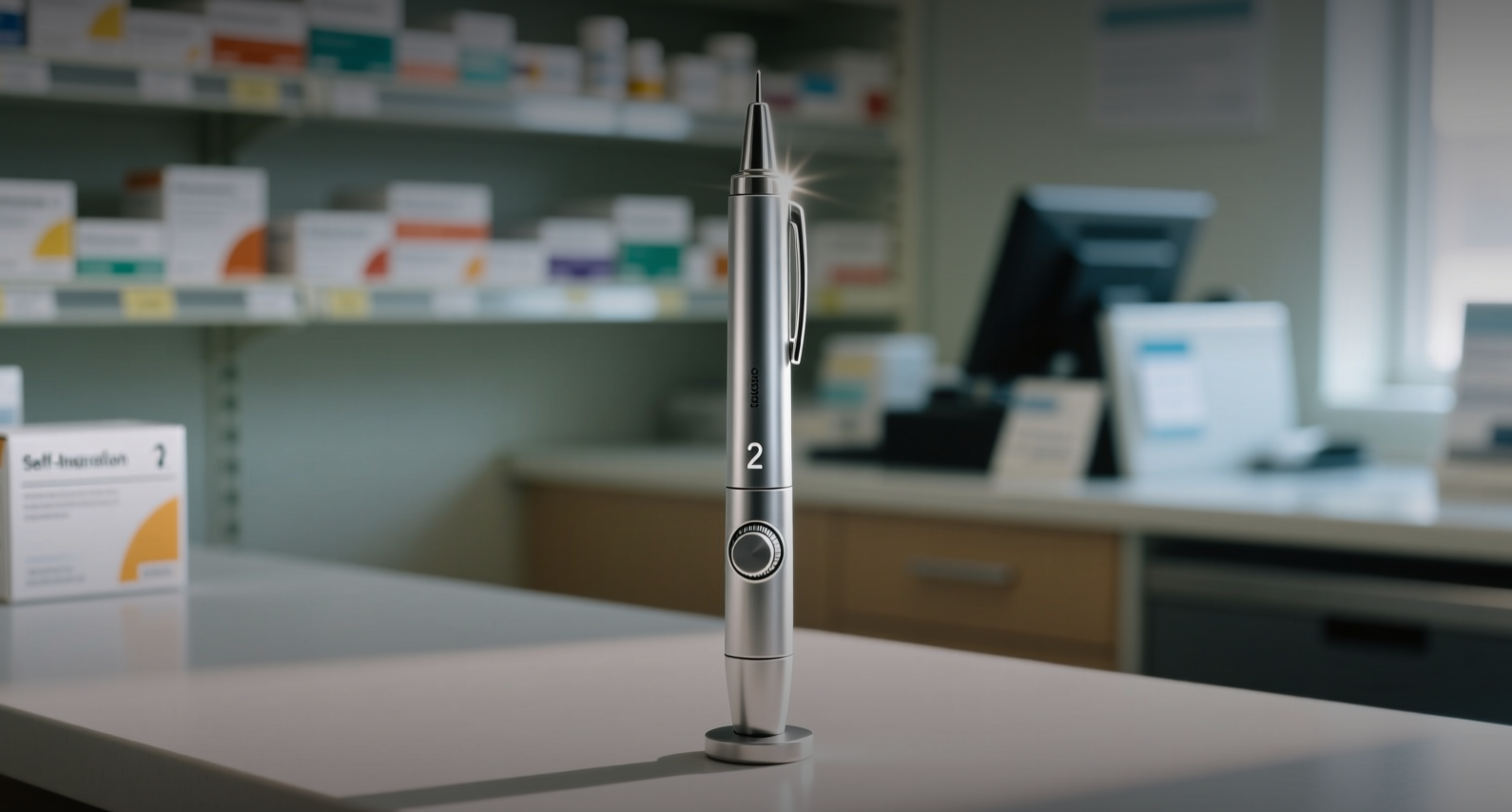
Novo Nordisk's CagriSema delivered 22.7% weight loss in phase III, but faces an FDA decision in the fourth quarter as Lilly's Zepbound leads on efficacy.
Novo Nordisk CEO Maziar Mike Doustdar told Reuters he does not see obesity drugs becoming a winner-takes-all market, expecting different products to serve different patients and oral medicines to potentially make up half of the GLP-1 market by 2030.
In the phase III REDEFINE 1 study, CagriSema achieved 22.7% mean weight loss after 68 weeks, compared with 16.1% for Wegovy and 11.8% for cagrilintide alone. In REDEFINE 2, which enrolled patients with type II diabetes, the drug delivered 15.7% weight loss. However, in the head-to-head REDEFINE 4 trial against Eli Lilly's Zepbound (tirzepatide), CagriSema achieved 23% weight loss after 84 weeks but failed to demonstrate non-inferiority to Zepbound's 25.5%.
The stakes are significant. Novo Nordisk reported first-half 2026 sales of DKK 175.3 billion with adjusted sales growth of just 2% at constant exchange rates, and guided 2026 adjusted sales to decline 0% to 6%. Meanwhile, Lilly's Mounjaro generated $18.6 billion in first-half sales, up 106% year over year, while Zepbound brought in $9.1 billion, up 60%.
Diabetes Data Strengthens the Case
The REIMAGINE program has added support for CagriSema's use in type II diabetes. In REIMAGINE 2, the drug achieved a 1.91-percentage-point reduction in HbA1c and 14.2% weight loss after 68 weeks, outperforming Wegovy on both measures. In REIMAGINE 3, CagriSema produced a 2.33-percentage-point reduction in HbA1c and 12% weight loss at 40 weeks when added to basal insulin.
Novo Nordisk is also testing whether higher dosing can improve CagriSema's obesity profile. The company plans to initiate a phase III study of high-dose CagriSema combining cagrilintide 2.4 mg with Wegovy HD (injectable semaglutide 7.2 mg) in the second half of 2026. Separately, the phase III REDEFINE 11 study is evaluating the full weight-loss potential of the existing 2.4 mg/2.4 mg combination, with results expected in the first half of 2027.
Competitive Pressure Mounts Beyond Lilly
While Novo Nordisk and Eli Lilly dominate the GLP-1 space, smaller biotechs are advancing rival therapies. Viking Therapeutics' dual GIPR/GLP-1 receptor agonist VK2735 is being developed in oral and subcutaneous formulations, with oral VK2735 expected to enter phase III for obesity in the fourth quarter of 2026. Structure Therapeutics has initiated dosing in its phase III ACCOMPLISH program for aleniglipron, an oral small-molecule GLP-1 receptor agonist.
Novo Nordisk shares have lost 10.3% year to date, underperforming the industry's 13.9% gain. The stock trades at 13.30 times forward earnings, below the industry average of 18.71 and well under its five-year mean of 29.09. Earnings estimates for 2026 have risen from $3.38 to $3.45 per share over the past 30 days, while 2027 estimates improved from $3.27 to $3.42.
The FDA decision on CagriSema in the fourth quarter will determine whether Novo Nordisk can offer a credible alternative to Zepbound. If the higher-dose combination succeeds in phase III, CagriSema could become a meaningful growth driver for a company whose core semaglutide franchise faces intensifying competition and patent expirations in the early 2030s.
This article is for informational purposes only and does not constitute investment advice.
