
Bank of Japan Governor Kazuo Ueda signaled the central bank will keep raising rates, with swaps pricing a September hike at near 100 percent, a move that would break the roughly six-month cadence of the tightening cycle begun in 2024.
Bank of Japan Governor Kazuo Ueda signaled the central bank will keep raising rates, with swaps pricing a September hike at near 100 percent, a move that would break the roughly six-month cadence of the tightening cycle begun in 2024.
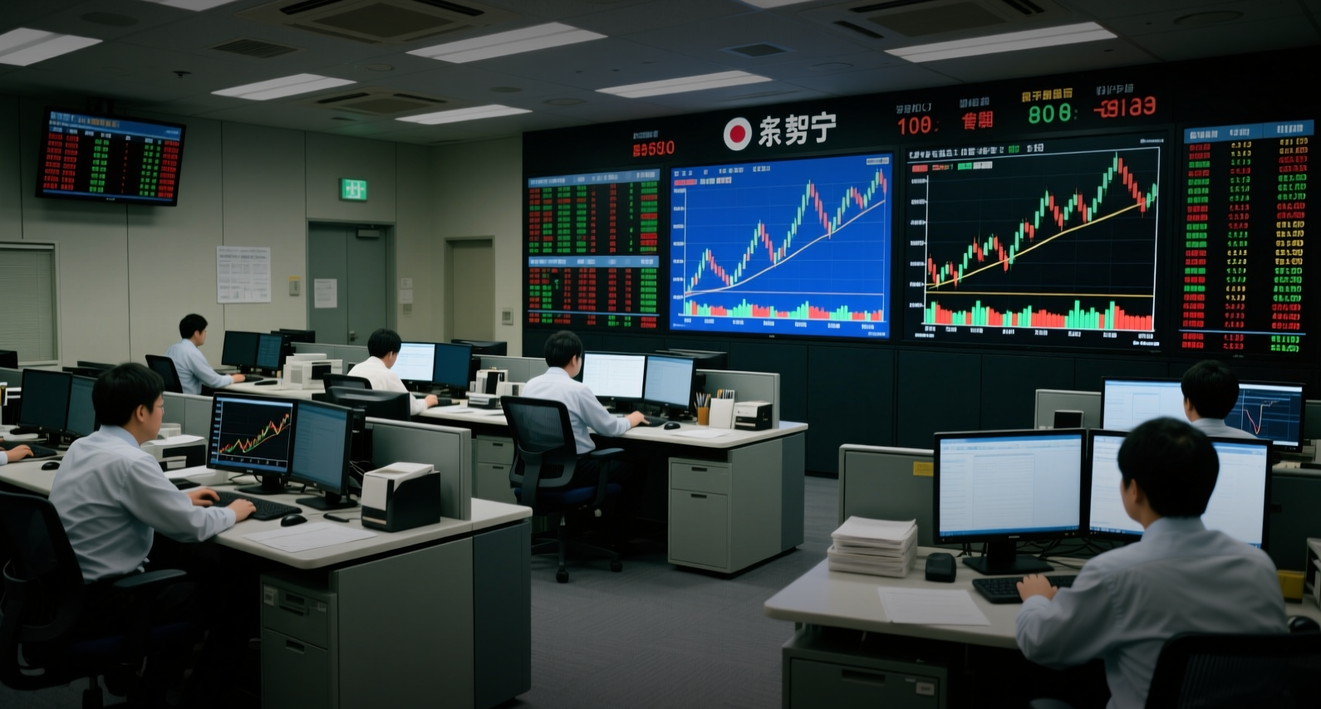
Bank of Japan Governor Kazuo Ueda all but locked in a September rate hike Tuesday, saying monetary conditions remain loose, with swaps pricing the move at near 100 percent.
"Monetary conditions remain loose, so we want to continue raising rates," Ueda said after the Group of 20 finance leaders' meeting in Asheville, North Carolina. "We have raised our policy rate five times so far, so we need to carefully scrutinize how the cumulative impact of the moves could affect the economy."
The remarks, Ueda's last public appearance before the Sept. 17-18 policy meeting, sent the 10-year Japanese government bond yield to 3.004 percent and the 30-year to 4.197 percent, both the highest in three decades. The Nikkei 225 fell 2.53 percent to 64,678.49, a drop of more than 1,700 points, while South Korea's KOSPI lost 2.19 percent. The yen traded at 160.37 per dollar, having given back most of the gains from the rare joint yen-buying intervention Japan and the United States carried out on July 31.
A hike this month would be the fastest follow-up under Ueda, breaking the roughly six-month cadence that has marked the tightening cycle begun in 2024. The policy rate already stands at 1 percent, a 31-year high, after the June increase, and Ueda said economic data broadly matched the bank's July outlook report, with inflation trends "very close" to the 2 percent target.
Ueda's comments were reinforced by Hajime Takata, the most hawkish member of the board, who told an audience in Sapporo that Japan's economy had entered a new phase and that the central bank was no longer an outlier on monetary policy. Bloomberg surveys of economists expect Japan's key price gauge to climb back to 3 percent early next year.
The case for tightening has drawn unusual backing from Washington. Treasury Secretary Scott Bessent, who met Ueda on Sunday at the G20 gathering, voiced strong support for "decisive" monetary steps to combat yen weakness and urged the bank to anchor inflation expectations, the Treasury Department said. Bessent has said he expects Ueda to "do the right thing" to arrest the currency's decline.
The hawkish turn is not confined to Tokyo. Federal Reserve Governor Michael Barr said the U.S. central bank should raise rates decisively if inflation does not cool enough, and Fed Vice Chair Kevin Warsh has warned of price pressures, reinforcing a synchronized global tightening narrative that has lifted bond yields across developed markets.
The tension between fiscal and monetary policy is sharpening. Japanese ministries are seeking record budget allocations for the next fiscal year under Prime Minister Sanae Takaichi, who wants to end the practice of compiling supplementary budgets outside the annual framework. Finance Minister Satsuki Katayama said no G20 participant raised concerns about Japan's fiscal position, while Ueda characterized the rise in bond yields as tracking a global trend.
If the BOJ delivers in September rather than waiting until October, markets may price a quarterly pace of increases, some analysts said, a step up from the roughly two hikes a year delivered since 2024. The last time the bank moved this quickly between hikes was in the early phase of the current cycle, when the 10-year JGB yield was still below 1 percent. A faster path would widen the gap between Tokyo's tightening and the fiscal expansion underway, raising the cost of servicing Japan's debt just as the government seeks to spend more.
This article is for informational purposes only and does not constitute investment advice.
