
BofA cut 2026 sales forecasts for Li Auto and XPeng while raising Leapmotor and Chery, as exports drive China EV growth.
BofA cut 2026 sales forecasts for Li Auto and XPeng while raising Leapmotor and Chery, as exports drive China EV growth.
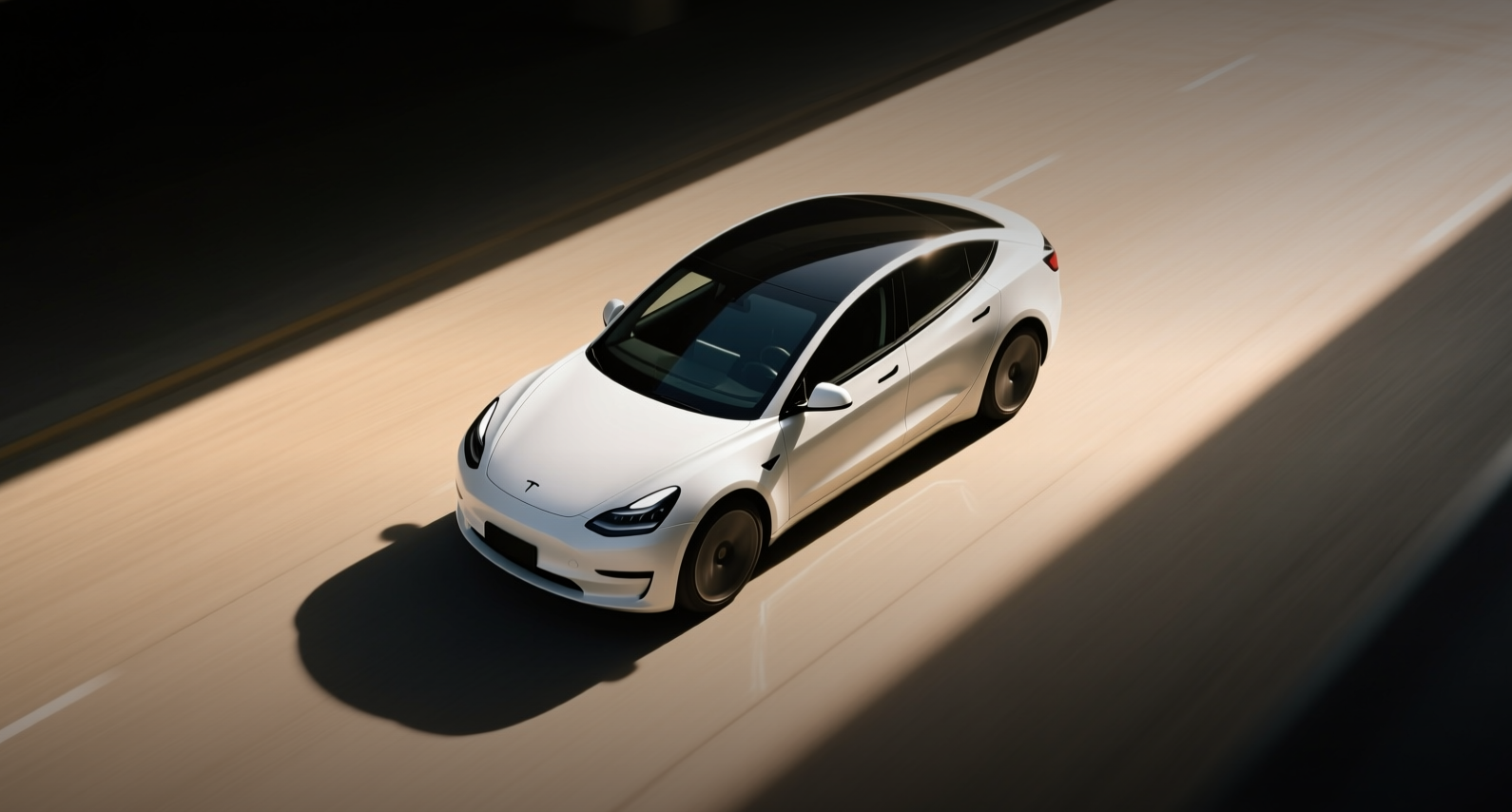
China's EV makers are splitting into winners and losers as domestic demand cools after subsidy cuts, with Bank of America Securities projecting export growth of up to 340 percent for the strongest names in 2026.
"Overseas growth remains the highlight of the first half, driven by strong EV exports," the bank said in a research note reviewing second-quarter results from automakers, parts suppliers and dealers.
BofA expects BYD's 2026 exports to rise 72 percent to 1.85 million vehicles, Chery's 39 percent to 1.8 million, Geely's 149 percent to 1.05 million and Leapmotor's 340 percent to 220,000. The bank cut sales forecasts for Li Auto and XPeng on weak domestic demand, while raising them for Leapmotor and Chery on stronger model cycles and export growth. Second-quarter EV sales growth broadly missed expectations after trade-in subsidy cuts and demand pull-forward, though Leapmotor and NIO outperformed on strong model cycles. BYD's sales growth was constrained by limited capacity for its second-generation blade battery, while Great Wall Motor's domestic sales were weak on destocking and flat new models. Traditional state-owned automakers including BAIC, SAIC and Lantu came in below expectations, while GAC was broadly in line, supported by its own-brand performance.
All automakers face raw material cost inflation across memory chips, batteries and metals, though some can offset it through more favorable product mix, higher export share, premium brands and greater in-house technology. BYD is in a transition year from first- to second-generation blade batteries, which limits 2026 earnings-per-share growth; the bank expects profit growth to re-accelerate in 2027, supported by exports, energy-storage shipments and domestic margin recovery.
The export drive comes as the global EV market accelerates outside China. The International Energy Agency raised its 2026 outlook, projecting EVs will make up 29 percent of all cars sold worldwide this year, up one percentage point from its May forecast. More than 90 countries recorded year-over-year EV sales growth in the first half, with Australia, Brazil, India, Korea and Vietnam roughly doubling sales from March through June. Global EV sales jumped 35 percent from the first quarter, setting quarterly records in 50 countries.
In China, however, the IEA expects EV sales to stagnate year over year for the first time this decade as the overall car market weakens, even as more than 60 percent of new cars sold are expected to be electric. Chinese factories exported almost as many EVs in the first six months of 2026 as during all of 2025, and more than 1 million Chinese-made electric cars are now available for sale worldwide. China and other emerging economies are expected to account for around 60 percent of global car demand over the next decade.
For investors, the divergence favors exporters with strong model cycles. BYD, listed in Hong Kong, faces near-term earnings pressure from the battery transition but is positioned for a 2027 re-acceleration. Leapmotor and Chery, with the steepest export growth, are the relative winners, while Li Auto and XPeng face a tougher domestic demand backdrop. The Middle East conflict and resulting energy crisis have pushed fuel costs back into focus, giving governments and automakers another reason to accelerate EV adoption.
This article is for informational purposes only and does not constitute investment advice.
