

Apple's device-first AI strategy and upcoming product pipeline are driving the stock to record levels, with analysts projecting a $5 trillion valuation that would surpass Nvidia.
Apple's device-first AI strategy and upcoming product pipeline are driving the stock to record levels, with analysts projecting a $5 trillion valuation that would surpass Nvidia.
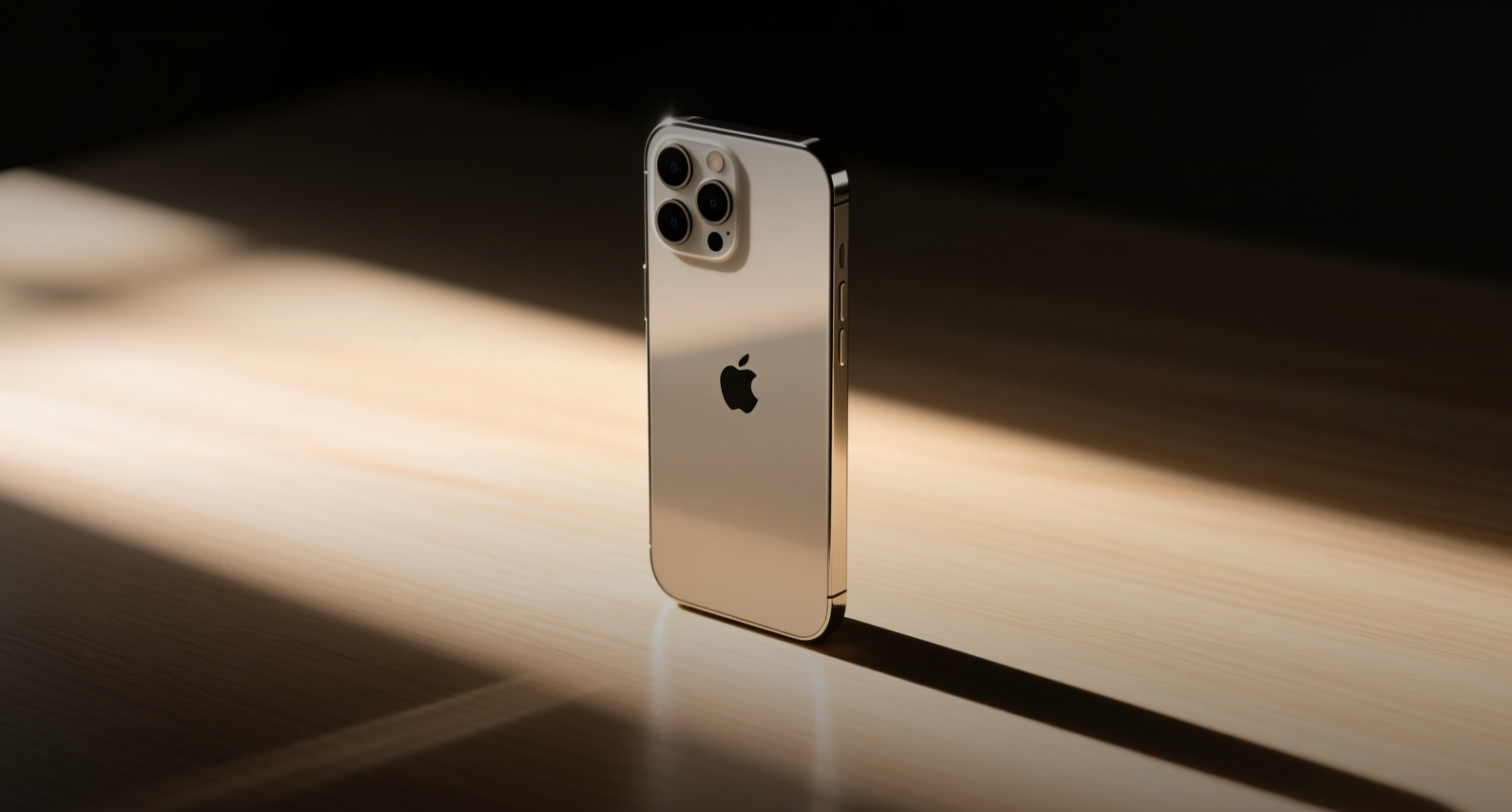
Apple shares reached a new all-time high Monday, pushing the company's market capitalization past $4.8 trillion and within striking distance of $5 trillion.
"Apple is benefiting because it isn't in the storm that the rest of the AI trade is in," said Mark Bronzo, chief investment strategist at Rye Strategic Partners. "People are concerned about what kind of return hyperscalers could get from their AI spending."
The stock has rallied 15% since its June 25 low of $275.15, adding almost $600 billion in market value. Apple is now up 16% in 2026, making it the best performer among the Magnificent Seven — a group that includes Nvidia, Microsoft, and Amazon. The rally comes as investors grow uneasy about the hundreds of billions being poured into AI data center buildouts with no clear timeline for returns.
Apple's decision to sit out the data center spending spree and instead pay Google for access to its frontier AI models is increasingly viewed as a strategic advantage. With a foldable iPhone expected in September, AI glasses, and major iPhone 18 Pro upgrades on the horizon, the company enters what analysts describe as its most product-packed year in recent memory — all under incoming CEO John Ternus, who takes over later this year.
The AI Divergence Trade
While hyperscalers like Microsoft, Amazon, and Alphabet collectively spend hundreds of billions on AI infrastructure, Apple has taken a fundamentally different approach. The company is using Google's Gemini to power its revamped Siri and new Apple Intelligence features, avoiding the capital-intensive buildout that has weighed on its peers' balance sheets. Apple's WWDC 2026 presentation of Apple Foundation Models and on-device AI capabilities initially sent the stock lower, but the subsequent reversal has been dramatic.
The company's talks with startup PrismML — which has developed technology to shrink large language models to run on devices — point to a bet that the future of AI lies on the edge, not in the cloud. If successful, this approach could deliver AI capabilities at a fraction of the cost borne by competitors.
A Product Supercycle Takes Shape
Apple's product pipeline for the coming year is unusually dense. The foldable iPhone, expected in September, has already prompted the company to raise its supplier forecast to around 10 million units, up from an earlier estimate of 7 million to 8 million, according to Nikkei. Louis Navellier, chief investment officer at Navellier & Associates, said pricing for the folding phone will be strong enough to offset rising memory chip costs that forced Apple to raise prices on Macs, iPads, and Home devices in June.
Beyond the foldable, Apple is preparing AI-equipped AirPods with cameras, a major redesign of the iPad lineup, and its first foray into AI glasses. J.P. Morgan analysts said past price increases have not notably affected demand, and the firm expects a 17% increase in Apple's net income during the current fiscal year.
The $5 Trillion Threshold
At its new record level, Apple's market cap stands at roughly $4.8 trillion — within 5% of the $5 trillion threshold that would make it the first publicly traded company to reach that level. Surpassing Nvidia's current market capitalization would mark a reversal of the AI-driven reshuffling that briefly made the chipmaker the world's most valuable company earlier this year.
The transition from Tim Cook to John Ternus, with Cook remaining as chairman, gives Apple what analysts describe as the best of both worlds: Cook's experience navigating tariffs, regulatory threats, and component shortages, combined with Ternus's product expertise at a moment when hardware innovation is central to the company's AI strategy.
This article is for informational purposes only and does not constitute investment advice.
