
Key Takeaways: The White House is preparing further trade penalties against Canada after Ottawa matched U.S. tariffs dollar for dollar, deepening a dispute covering $20 billion in bilateral trade.
Key Takeaways: The White House is preparing further trade penalties against Canada after Ottawa matched U.S. tariffs dollar for dollar, deepening a dispute covering $20 billion in bilateral trade.
The Trump administration is weighing additional trade penalties against Canada after Prime Minister Mark Carney matched new U.S. tariffs dollar for dollar, threatening to push the two allies deeper into a spiraling trade war.
"He underestimates Canada. We're all in," Doug Ford, premier of Ontario, said in an interview with the Associated Press. "Up here, we're at a fever pitch, everyone's in for an economic war. They know they're going to have to sacrifice."
Canada will begin collecting tariffs of 50, 25 and 15 percent on about 700 American products on Sept. 8, doubling duties on U.S. steel and aluminum to 50 percent. The measures cover roughly $20 billion in annual U.S. exports, about 6 percent of what Canada bought from the United States last year.
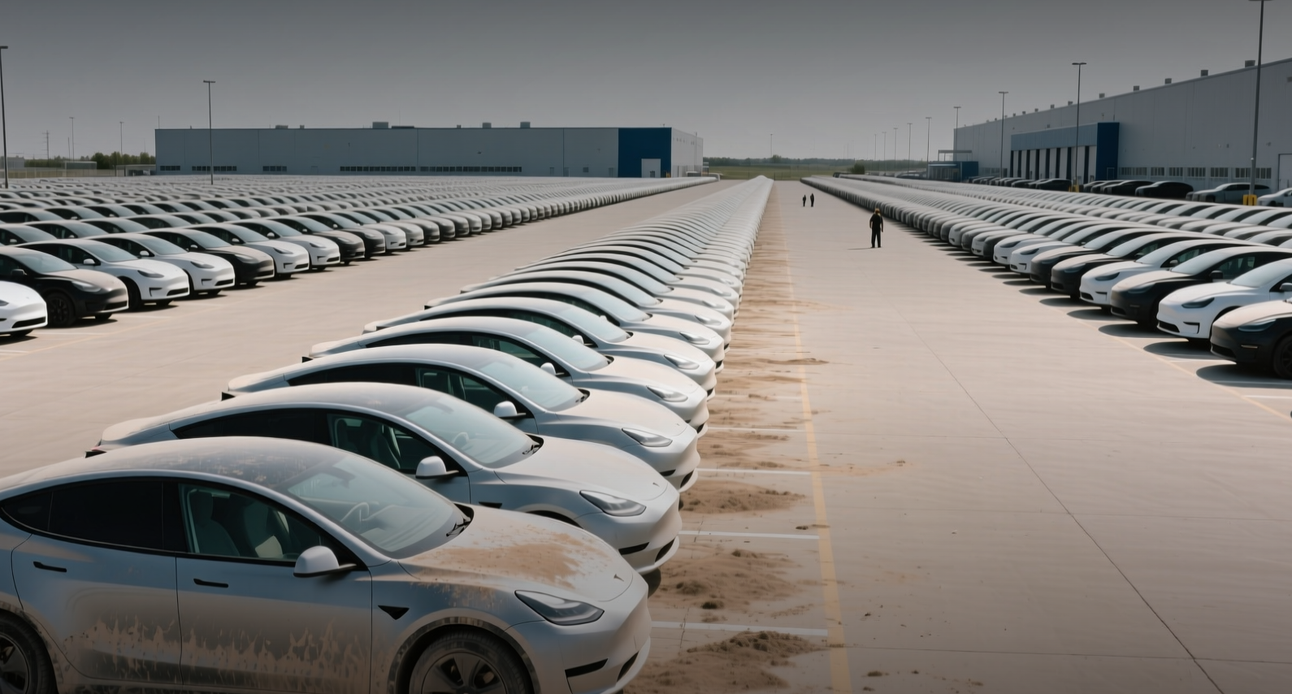
The escalation threatens the auto sector, where Canadian plants export upward of 90 percent of what they build, after Trump threatened to double auto tariffs to 50 percent and extend duties to parts starting Jan. 1.
A White House official, speaking on condition of anonymity to discuss internal deliberations, said an administration response to Canada's latest moves was expected and could include higher tariffs and other trade actions. Trump has already promised to double auto tariffs on Canada to 50 percent and tariff auto parts starting Jan. 1.
The dispute began after talks between Trump and Carney broke down late Friday. The United States imposed 50 percent tariffs on about $20 billion in Canadian goods just after midnight Saturday, invoking Section 338 of the Tariff Act of 1930 — a provision no president had used before. The law allows duties in response to "unequal impositions or discriminations" on American goods.
The novel legal basis could draw the administration into another round of court battles. The Supreme Court struck down Trump's reciprocal tariffs in February, forcing the government to repay $160 billion in revenue. A lower court declared the administration's Section 122 tariffs illegal this spring, a decision under appeal.
"The law is nearly 100 years old," said Patrick Childress, a partner at Holland & Knight. "It has never been tested in court, and it has never been used to implement tariffs, ever, in its existence."
Trade lawyers said the 1930 statute's key terms are undefined and the Treasury Department never issued regulations carrying out its provisions. Congress later adopted the Trade Act of 1974, which some lawyers argue implicitly rendered Section 338 obsolete. A challenge could land before the Court of International Trade, which has repeatedly ruled against Trump's tariff authority.
Ford said "everything is on the table" if the dispute worsens, including cutting off electricity and critical minerals from Ontario. The province powers 1.5 million homes and businesses in the United States, and Ford cited high-grade nickel and uranium refined in Ontario as leverage.
"If he thinks the Canadian people are going to roll over and just continue buying American-made vehicles, it's not going to happen," Ford said.
Trump, meanwhile, escalated the rhetoric Tuesday, threatening to rename Lake Ontario as "Lake America" and calling Canada "easily the most difficult and unreasonable" country he deals with.
The trade relationship is deeply intertwined: Canada imports about $272 billion in U.S. goods a year, while the United States is Canada's largest trading partner. Economists note Canada's economy is roughly one-twelfth the size of the U.S. economy, limiting the impact of its retaliation, though polls show widespread Canadian support for hitting back.
The last major escalation came in July, when Trump first invoked Section 338 to target a small portion of Canadian exports including hockey sticks and cheese. That round preceded the collapse of negotiations last week, and each side now blames the other for intransigence and last-minute demands. With midterm elections 74 days away, the White House faces pressure to show progress on prices even as Republican lawmakers in cattle states push back on plans to boost beef imports at lower tariff rates.
This article is for informational purposes only and does not constitute investment advice.
