Washington's "Operation Economic Outcast" aims to sever every revenue line funding Iran's regime, from oil sales to digital assets.
The United States on Monday expanded secondary-sanctions risk on third parties doing business with Iran, targeting five sectors and nearly 60 entities, vessels and individuals under "Operation Economic Outcast."
"An economic engagement of any kind" with Iran would expose those responsible to the "full reach of American power," Treasury Secretary Scott Bessent said at a press conference, warning that "no one is above the reach of U.S. sanctions."
The Treasury's Office of Foreign Assets Control sanctioned nearly 60 entities, vessels and individuals across multiple jurisdictions tied to Iran's nuclear and missile procurement, cyber operations and oil-revenue networks, and suspended general licenses that had permitted certain remittance payments and Iranian access to U.S. cultural and academic programs. Bessent flagged digital assets, technology, gold, aviation and shipping as the five sectors now exposed to secondary sanctions, and said a major action against a bank would follow later this week.
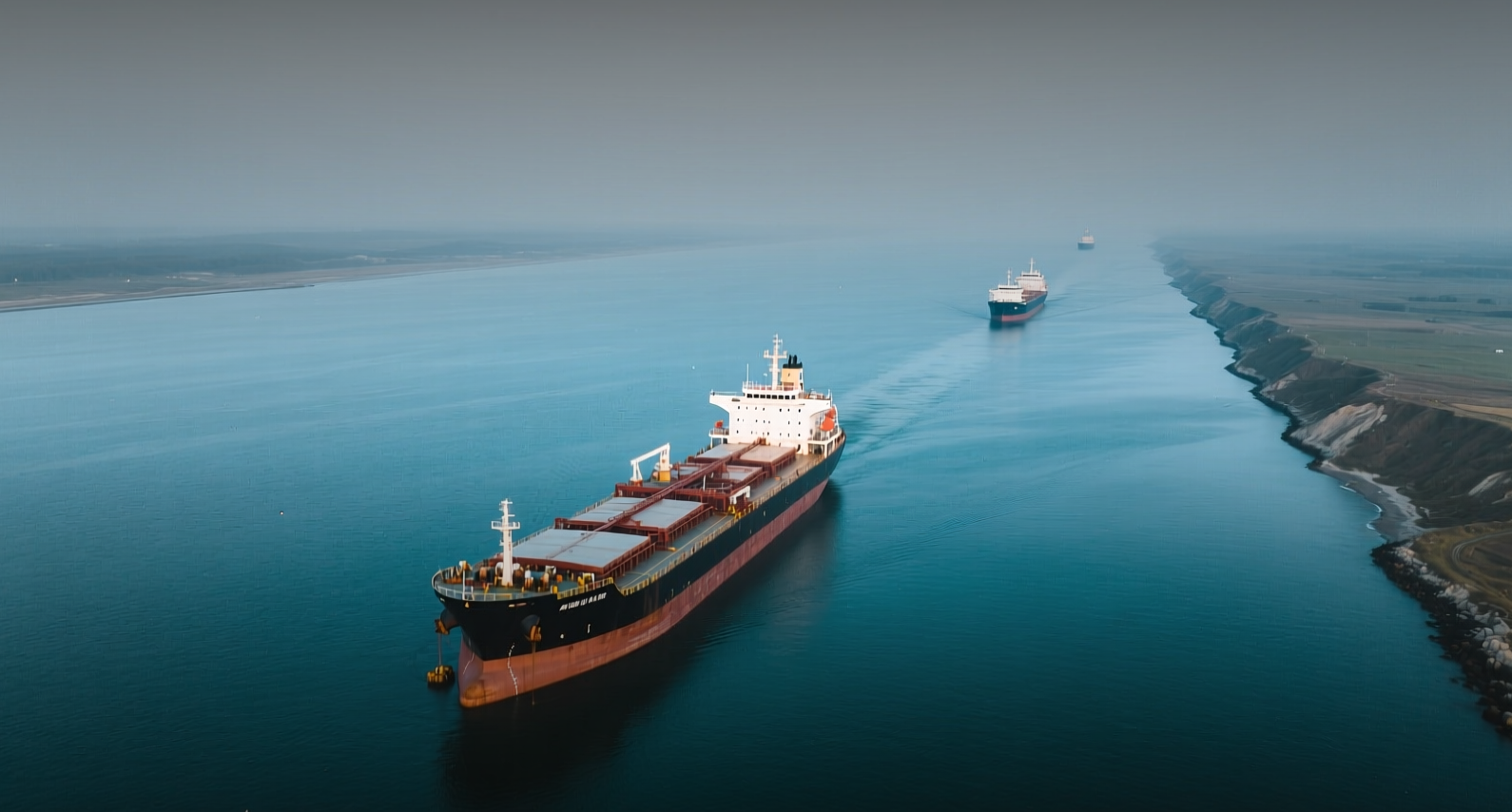
The escalation lifts the geopolitical risk premium on crude, with the Strait of Hormuz — which handles about a fifth of global oil trade — already shut by Tehran over U.S. attacks. China, which Bessent said draws half its energy from the Gulf, rejected the campaign, with Foreign Ministry spokesman Lin Jian vowing to "protect our legitimate rights and interests" and warning that sanctions "lead to escalation."
Bessent described the campaign as a "zero-leakage" approach to "tighten the noose and block every potential source of revenue" funding the Iranian regime and the Islamic Revolutionary Guard Corps. He said President Donald Trump is calling world leaders with "specific requests" to halt dealings with Tehran, and that Treasury, State Department and military teams are meeting counterparts to demand action. "Every country has a defined timeline to shut down activities we have identified," he said. "If they do not take action, we will do so unilaterally through Treasury authorities."
The move extends a pressure campaign that has already drawn Beijing into Washington's crosshairs. China came under U.S. sanctions earlier this year for energy cooperation with Iran, and its Commerce Ministry in May called the measures "unilateral sanctions that lack UN authorization." Lin's response on Monday — that Beijing will "do what is necessary" to protect its interests — suggests the world's largest crude importer is unlikely to curtail purchases that underpin its refining sector.
Iran dismissed the economic offensive as a sign of U.S. weakness. Foreign Minister Abbas Araghchi said the campaign would bring Washington "further defeat," while IRGC Brigadier General Hossein Mohebbi noted the United States has imposed sanctions on Iran's economy for 47 years. "The current campaign is primarily aimed at shaping public perceptions and creating the belief that Washington is prevailing," he said.
Oil risk premium builds as Hormuz stays shut
The sanctions escalation compounds a supply shock already priced into crude markets. Tehran has shut the Strait of Hormuz over U.S. attacks and violations of a June understanding, and on Sunday blacklisted 45 vessels for breaching its new shipping regulations. The last time Washington broadened secondary sanctions on Iran's oil buyers, in 2018, Brent crude climbed roughly 20 percent over the following months as buyers scrambled to replace barrels. With about a fifth of global seaborne oil transiting the strait, traders now face a dual risk: lost Iranian supply and the threat of secondary penalties on any tanker operator or refiner that keeps trading.
Bessent also used the press conference to reaffirm the Treasury's debt-auction schedule, saying the department would continue its regular program even as it doubles buybacks of 10- to 30-year securities to at least $4 billion per operation starting Sept. 10. The Treasury General Account stood at about $940 billion as of last Wednesday, a cushion that could fund the buybacks without new short-term issuance as U.S. debt tops $40 trillion.
The sanctions push raises the cost of doing business with Iran for China, India and other buyers at a moment when global oil markets are already tight. If Washington follows through on its bank action this week and enforces the five-sector secondary sanctions, crude prices could extend gains and widen the risk premium across Gulf-linked assets. If Tehran and Beijing hold firm, the standoff risks a prolonged supply squeeze that feeds inflation into an economy already wrestling with elevated long-term yields.
This article is for informational purposes only and does not constitute investment advice.