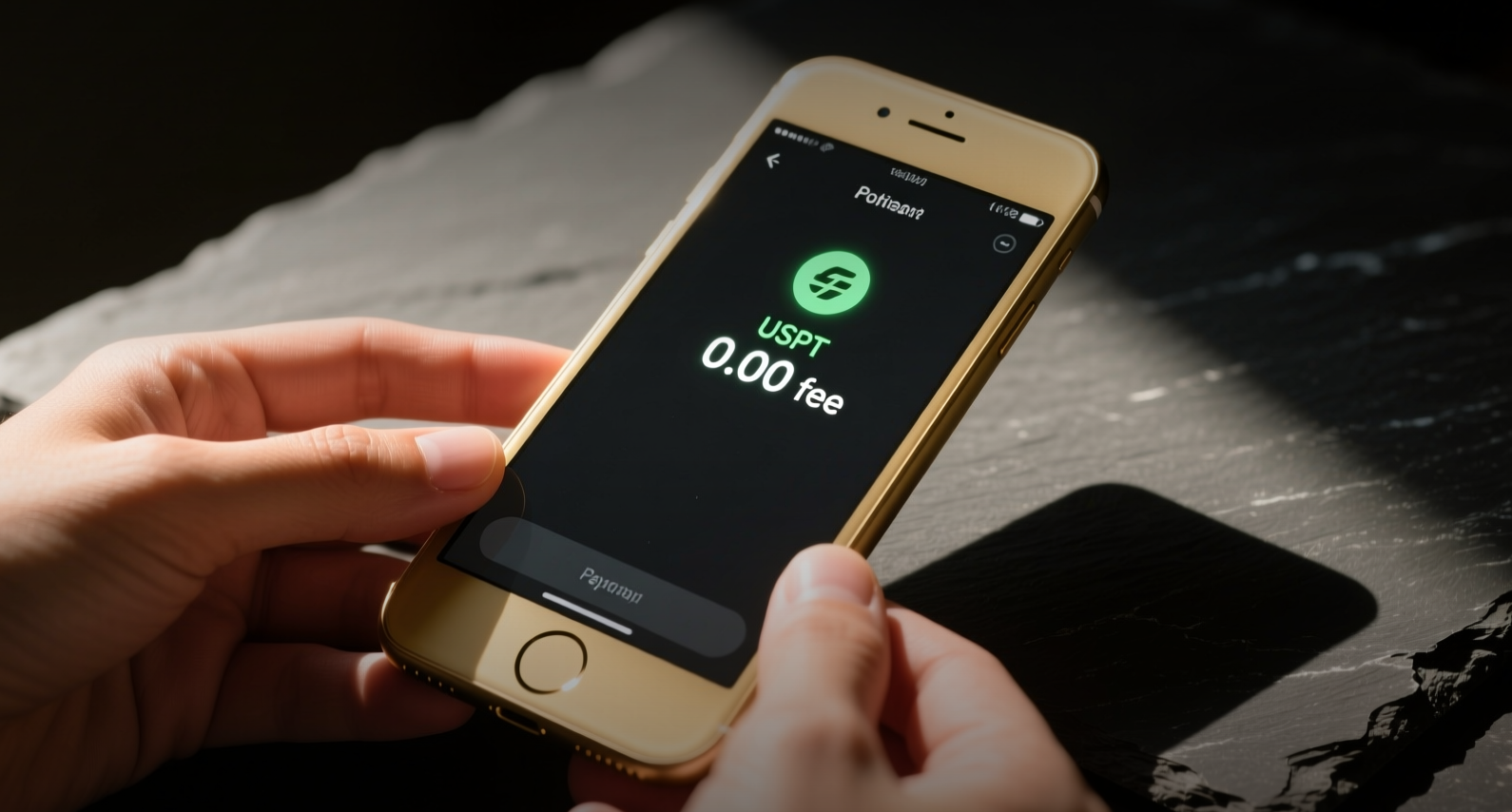
Stable, the Tether-aligned Layer-1 blockchain, launched StablePay, a consumer payments app that lets users send USDT instantly with no fees.
StablePay, a consumer payments application built on the Tether-aligned Layer-1 blockchain Stable, went live on July 16, offering zero-fee USDT transfers and instant settlement through a non-custodial mobile wallet. The STABLE token rose 7.2% in 24 hours to $0.0395 as traders priced in the expanded utility, according to CoinGecko data.
"StablePay removes the friction that has kept stablecoins from becoming everyday money — unpredictable fees, slow confirmations, and complex onboarding," the Stable team said in a statement. The app is available on iOS and Android.
The app runs on StableChain, a high-performance network that processes more than 10,000 transactions per second with sub-second finality and full EVM compatibility. Users can sign up using email, phone numbers, or social accounts without managing seed phrases. Transfers between StablePay users settle instantly at zero cost, while external on-chain transactions incur predictable USDT-denominated fees. The app also includes integrated yield vaults for idle balances and "Stable Names" for simplified addressing.
The launch positions Stable to capture a share of the stablecoin payments market, where Tether's USDT dominates with more than $110 billion in circulation. By eliminating minting and redemption fees and returning reserve income to distribution partners, Stable's model mirrors the approach of Open Standard's Open USD, which Visa backed with its own stablecoin platform on the same day — intensifying competition for established issuers like Circle.
StablePay's infrastructure targets retail and institutional users
StableChain, which debuted its mainnet in late 2025 with backing from PayPal Ventures and Anchorage Digital, was purpose-built for stablecoin transactions rather than general-purpose smart contracts. The network uses USDT variants — including USDT0 and gUSDT — as the native asset for gas fees and settlement, eliminating the need for users to hold multiple tokens to transact.
The app's non-custodial architecture means users retain control of their private keys, with biometric authentication available as an additional security layer. For businesses, StablePay offers transaction tracking, payment requests, and potential enterprise integration tools.
Competitive landscape shifts as payment-focused blockchains gain traction
The launch comes as traditional payments giants and crypto-native projects alike race to build stablecoin payment infrastructure. Visa unveiled its Visa Stablecoin Platform on July 16, providing banks and fintechs with tools to issue, store, and transfer Open USD stablecoins through its existing payment network. Visa's platform includes wallet infrastructure, blockchain connectivity, and dual-approval workflows for institutional compliance.
Circle's shares fell about 5% on July 16 as the competitive pressure mounted, reflecting investor concern that revenue-sharing models from Open Standard and Stable could erode the economics of established stablecoin issuers. Open Standard, backed by Visa, BlackRock, Alphabet, and Coinbase, eliminates minting and redemption fees while returning nearly all reserve income to distribution partners.
The stablecoin payments sector is converging around a model that prioritizes zero-fee user experiences and institutional-grade compliance — a shift that could accelerate adoption among merchants, remittance users, and fintechs seeking alternatives to traditional correspondent banking.
This article is for informational purposes only and does not constitute investment advice.