
SpaceX's IPO filing reveals $2.8 billion in natural gas turbine spending to power its Colossus AI data center complex — a direct reversal of Elon Musk's 2015 declaration that burning fossil fuels was "the dumbest experiment in history."
SpaceX's IPO filing reveals $2.8 billion in natural gas turbine spending to power its Colossus AI data center complex — a direct reversal of Elon Musk's 2015 declaration that burning fossil fuels was "the dumbest experiment in history."
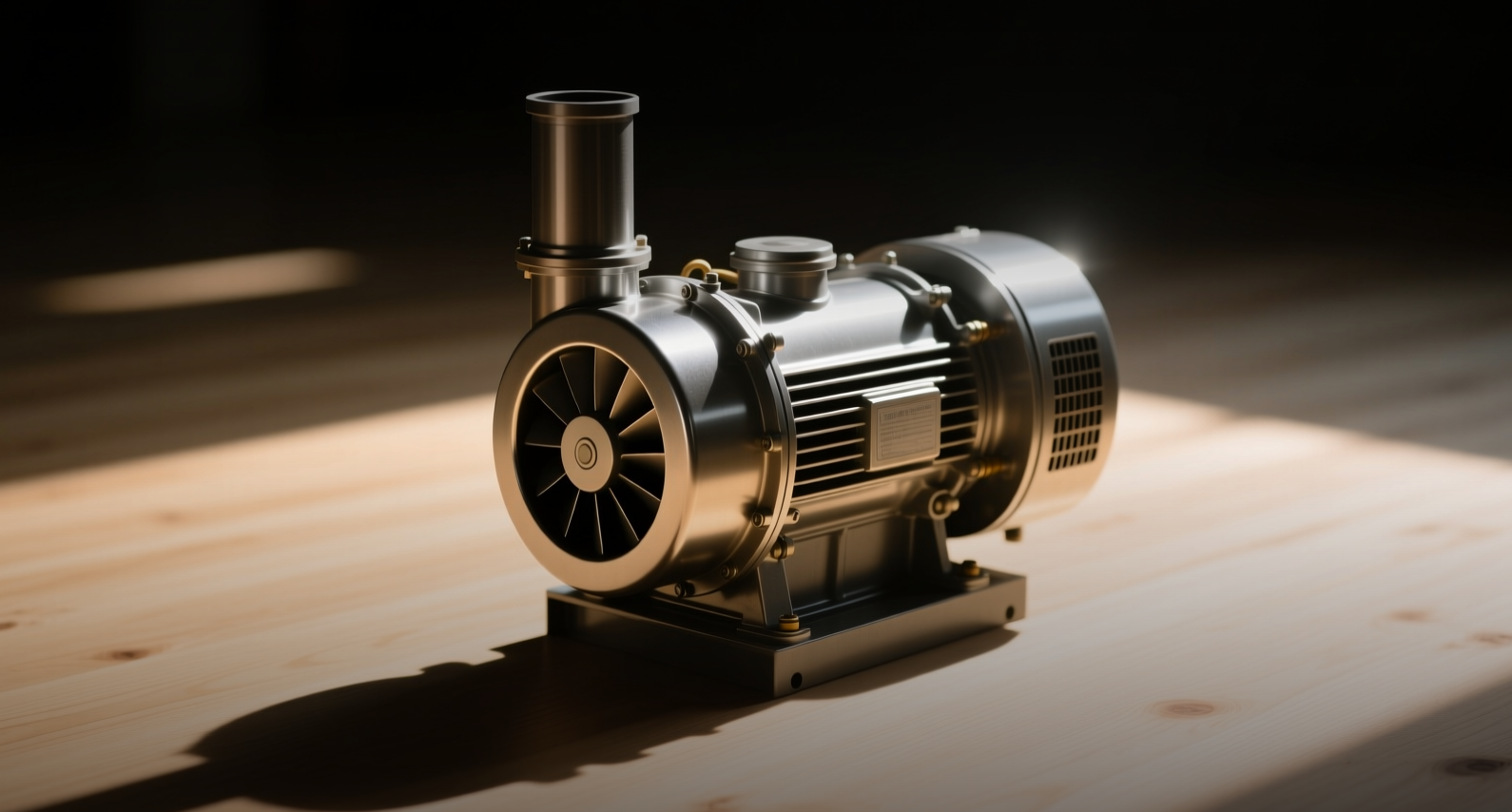
SpaceX will spend $2.8 billion on natural gas turbines over three years to power its Colossus AI data center near Memphis, per its IPO filing — a reversal of Musk's 2015 fossil fuel stance.
Eleven years ago, Musk told astrophysicist Neil deGrasse Tyson that burning fossil fuels was "the dumbest experiment in history, by far," arguing that finite reserves and an inevitable clean-energy transition made atmospheric alteration indefensible.
Of the total, roughly $2 billion is earmarked for mobile gas turbines, with $805 million in turbine orders already placed and deliveries running through 2029. The power feeds xAI, now part of SpaceX after a merger completed in early 2026 at a reported $1.25 trillion valuation. Anthropic pays $1.25 billion monthly to rent xAI data center space, and SpaceX's AI segment revenue reached $2.6 billion in its first quarter as a public company, up 247% year over year. Compute capacity stands at 1.4 gigawatts nameplate, with a target of 20 gigawatts online by the end of 2027.
The investment sits at the center of a regulatory fight. xAI has operated up to 69 turbines near Memphis with only about 15 permitted by state regulators, drawing EPA violations and a lawsuit from the NAACP and Southern Environmental Law Center over potential nitrogen oxide emissions exceeding 2,000 tons annually. The U.S. Department of Justice has backed the company, calling the turbines a matter of national energy security. SpaceX shares closed at $140 on Aug. 14; Tesla, which supplied $269 million in Megapacks to the operation, closed at $342.27, down 23.89% year to date.
AI data centers require large, fast-ramping loads that the U.S. grid often cannot supply on the required timeline. Some regions have imposed moratoriums on new data center grid connections extending into 2030, pushing operators toward on-site natural gas — sometimes called "behind-the-meter" or "dark energy" power. Electrek reported on Aug. 10 that Musk's Terafab chip plant will also run on gas rather than Tesla solar, showing the scale of the power gap.
The economics are straightforward: gas turbines can be deployed in months, not the years required for grid interconnection or utility-scale renewables. For a company targeting 20 gigawatts of compute capacity by the end of 2027, speed is the binding constraint. Battery storage is going in alongside the gas — xAI purchased another $269 million of Tesla Megapacks in June — but batteries alone cannot supply baseload power for 24/7 AI training workloads.
xAI's turbine fleet near Memphis has become a flashpoint. Reported counts have ranged from roughly 46 to 69 turbines at various points, with only about 15 officially permitted by state regulators. xAI's position is that trailer-mounted "mobile" units do not require the same state air quality permits as fixed installations. The EPA has determined this interpretation puts the company in violation of federal air pollution rules.
The NAACP and the Southern Environmental Law Center have sued xAI seeking an injunction, citing potential nitrogen oxide emissions of more than 2,000 tons annually in a region with among the poorest air quality in the country. The U.S. Department of Justice has weighed in on the company's side, characterizing the turbines as a matter of national, economic and energy security, per Electrek reporting on June 17. The litigation remains active.
TechCrunch reported on July 31 that SpaceX will not remove all of xAI's unpermitted turbines for another year. The AI Insider reported on Aug. 3 that the unpermitted units will be phased out by 2027 while a permanent gas plant is built, reported at roughly 41 turbines in the 16 to 50 megawatt range.
For investors, the question is whether Memphis becomes a template for how AI infrastructure gets built in the United States or a cautionary tale. SpaceX shares closed at $140 on Aug. 14, while Tesla — which benefits from Megapack orders tied to the buildout — closed at $342.27, down 23.89% year to date. The $1.25 billion monthly rent from Anthropic suggests the compute demand is real, but the regulatory overhang and environmental litigation could slow the 20-gigawatt expansion target. Nvidia, which supplies the GPUs powering Colossus, stands to benefit from continued AI infrastructure buildout regardless of the power source.
This article is for informational purposes only and does not constitute investment advice.
