
Key Takeaways:
- 14 brokerages forecast 2Q26 operating profit of KRW64.1 trillion
- Operating margin seen at 75%-77%, up from 75% in 1Q26
- AI data center revenue to account for 70% of total sales
Key Takeaways:
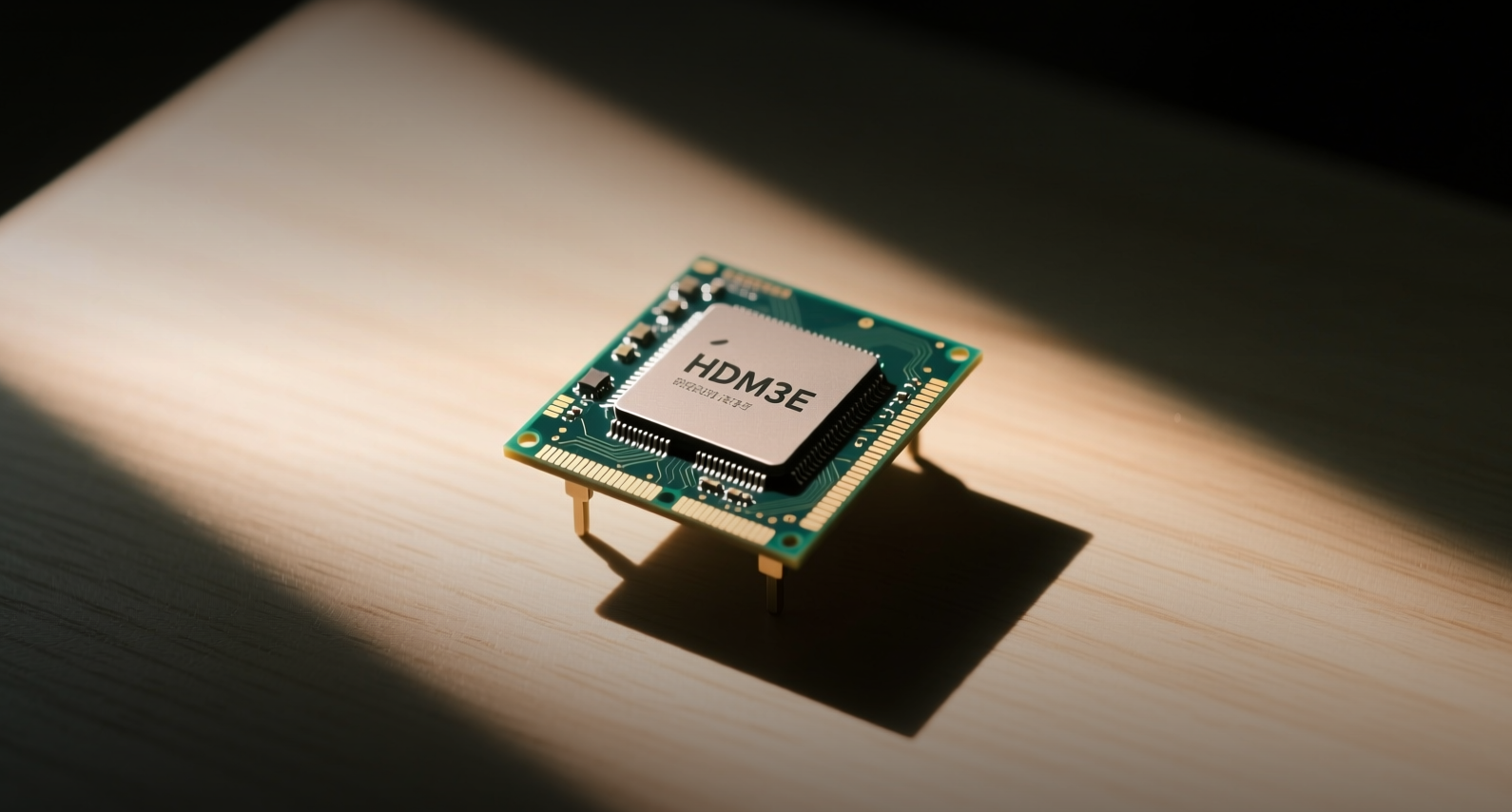
SK hynix Inc. is expected to post a record operating profit of KRW64.1 trillion ($43.7 billion) in the second quarter, driven by its dominant position in the high-bandwidth memory market and surging AI chip demand, according to 14 South Korean brokerages.
"The AI semiconductor supercycle is delivering margin expansion well above historical norms, with HBM pricing remaining elevated as hyperscalers compete for supply," KB Securities said in a note, forecasting that sales to global technology companies and AI data center operators will account for 70% of SK hynix's total revenue in 2Q26.
The consensus calls for 2Q26 sales of KRW84.1 trillion and an operating margin between 75% and 77%, compared with 75% in the first quarter. The record profit forecast reflects SK hynix's leadership in HBM (high-bandwidth memory), a critical component in Nvidia Corp.'s AI accelerators, where it competes with Samsung Electronics Co. and Micron Technology Inc. for supply deals with hyperscale customers including Microsoft Corp. and Amazon.com Inc.
The results, due Wednesday, will test whether SK hynix can sustain margins above 75% as Samsung ramps its HBM output and Micron expands capacity. SK hynix shares traded at KRW1.746 million in Seoul, down less than 1%, while the Hong Kong-listed XL2CSOPHYNIX ETF fell 3.41%. The company's ability to maintain pricing power in HBM will determine whether the current supercycle extends into 2027.
HBM Pricing Power Faces a Supply Test
The HBM market has become the most lucrative segment in memory semiconductors, with SK hynix and Samsung Electronics targeting a combined 80% share, according to industry reports. ASML Holding NV's recent $8 billion equipment order signals that chipmakers are betting heavily on future capacity, reinforcing the structural demand from AI data center buildouts. SK hynix's HBM3E, the latest generation, is fabricated on its 1b nanometer-class DRAM process and stacked using advanced packaging technology similar to TSMC's CoWoS (chip-on-wafer-on-substrate) method, which remains a supply bottleneck across the industry.
For investors, the key question is margin durability. SK hynix's 75%-77% operating margin — extraordinary for a memory chipmaker — reflects HBM's premium pricing versus conventional DRAM, which typically generates margins in the 20% to 40% range. Historically, memory margins revert to the mean as supply catches up with demand. Samsung's aggressive HBM roadmap and Micron's capacity additions could compress margins by 5 to 10 percentage points over the next four quarters, KB Securities said. The brokerage noted that SK hynix's first-mover advantage in HBM3E gives it a 12- to 18-month lead over Samsung in qualifying with Nvidia, a window that underpins the current margin premium.
The Broader Supercycle Lifts the Sector
The AI-driven memory boom has lifted the entire semiconductor ecosystem. Samsung and SK hynix together are on track to surpass 100 trillion won in annual operating profit for the first time, according to local brokerage estimates. Micron Technology Inc., the third-largest HBM supplier, has also benefited, though its smaller scale limits its ability to challenge the Korean duopoly on pricing. Micron's HBM revenue is expected to reach about $8 billion in fiscal 2026, compared with SK hynix's projected $35 billion from the segment.
Nvidia's continued dominance in AI accelerators provides a demand floor for HBM. Each of Nvidia's Blackwell and subsequent GPU generations requires more HBM per chip, with the latest designs incorporating up to eight HBM3E stacks per accelerator. That trajectory supports SK hynix's revenue visibility through 2027, even as competitors add capacity. The total addressable market for HBM is projected to exceed $100 billion by 2028, according to industry estimates.
SK hynix trades at roughly 8 times forward earnings, a discount to Nvidia's 35 times multiple but a premium to Samsung's 12 times, reflecting the market's view that HBM leadership commands a valuation premium. If margins hold above 75%, the current multiple could prove conservative, analysts said. The earnings report on Wednesday will provide the clearest signal yet on whether the supercycle has further to run.
This article is for informational purposes only and does not constitute investment advice.
