

Key Takeaways:
- QCi and Quantinuum price targets imply 104.8% and 76.2% upside
- Quantinuum Q2 revenue jumped 279% year over year to $28-32M guidance
- D-Wave first-half bookings rose 1,120% to $35.5 million
Key Takeaways:
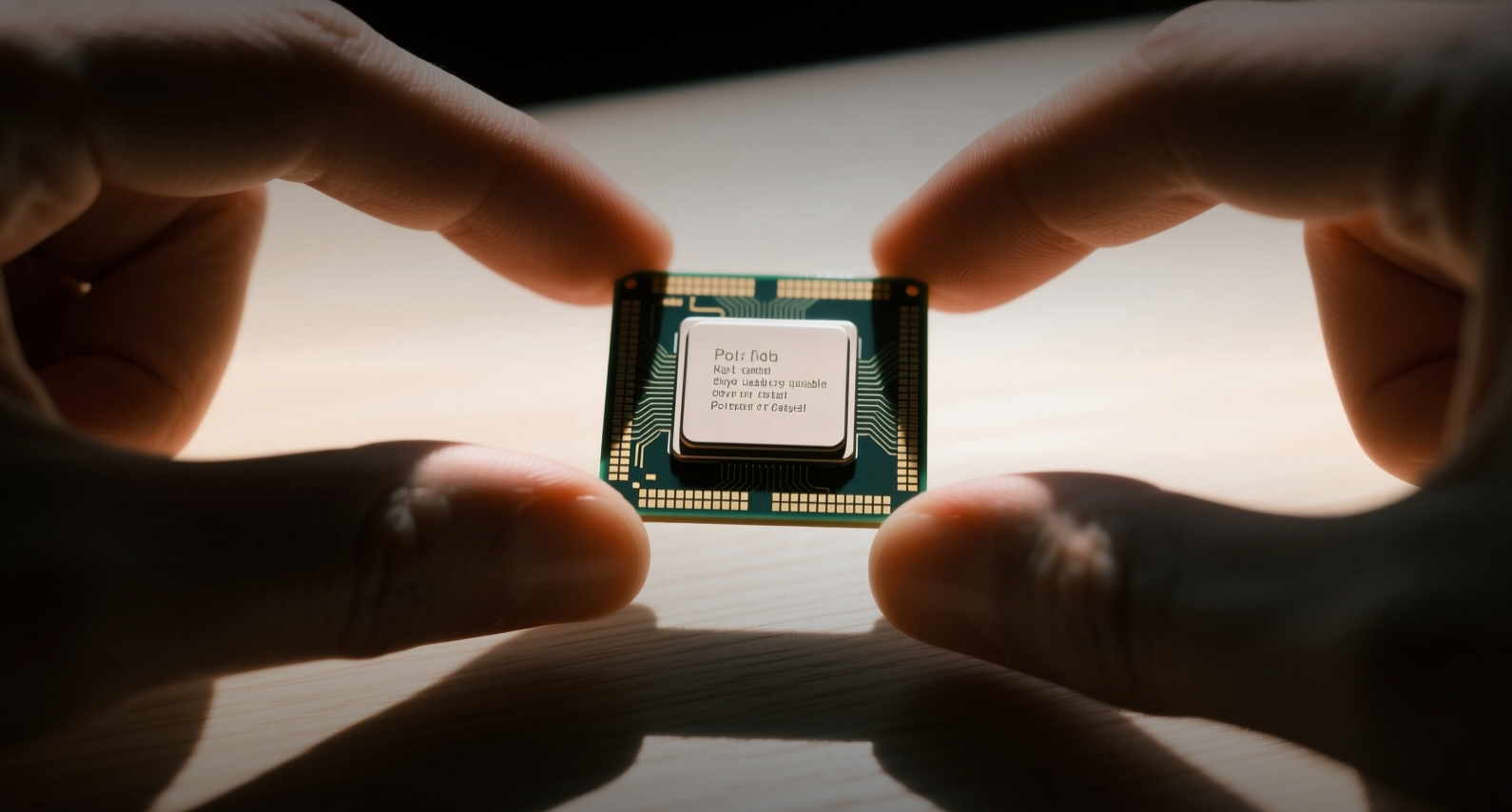
Quantum computing stocks Quantum Computing Inc. and Quantinuum carry average analyst price targets implying 104.8% and 76.2% upside after second-quarter results showed accelerating commercial adoption.
"More than 300 organizations worldwide are engaging with quantum computing, with early movers transitioning from pilots to applications embedded in end-to-end workflows," McKinsey's April 2026 Quantum Technology Monitor said. One-third of large global companies allocated more than $10 million to quantum computing initiatives in 2025, with spending focused on use-case development, integration with existing technology stacks and internal capabilities.
QCi closed at $8.95 with a $42.5 million backlog and $1.3 billion in cash. Quantinuum raised $1.68 billion in its June IPO and holds more than $2 billion in liquidity, guiding 2026 revenue of $28-32 million. D-Wave reported 62.4% of Q2 revenue from commercial customers, up from 45.1% a year earlier.
The sector's second-quarter rally saw the Defiance Quantum ETF gain 51.3% from April through June before a sharp July reset. Investors are now weighting bookings, system sales and enterprise partnerships over technology milestones alone.
Commercial conversion drives the investment case
D-Wave's first-half bookings reached $35.5 million, up 1,120% year over year, including a $20 million system sale, while remaining performance obligations rose 668% to $40.7 million. IonQ drew 60% of Q2 revenue from commercial customers and advanced its 256-qubit system, quantum error correction and the integration of SkyWater Technology and Nexus Photonics into its full-stack strategy.
QCi's near-term growth drivers include Dirac-3 deployment, NeuraWave's commercial readiness and a Planck Dynamics agreement with potential program value above $10 million. The NHanced acquisition and Fab 2 launch expand the company's advanced packaging and semiconductor manufacturing capabilities, supporting its strategy to scale photonic and quantum technologies.
Quantinuum demonstrated near-five-nines logical fidelity on Helios, advancing its error-correction efforts. The Oracle partnership to deploy Helios through Oracle Cloud Infrastructure and the HPE collaboration targeting integration with high-performance computing environments broaden enterprise access. Its planned Sol system in 2027 and Apollo roadmap aim to scale quantum capabilities further.
What's at stake
The quantum computing market is transitioning from research to revenue, with enterprise adoption, government support and fresh White House policy tailwinds strengthening the investment case. The key test for QCi and Quantinuum will be converting deployments into recurring revenue while managing rising operating costs. Both stocks carry a Zacks Rank #3 (Hold), reflecting the sector's speculative nature despite strong growth. Investors will watch QCi's Dirac-3 deployment progress and Quantinuum's Oracle partnership rollout for signs of sustained commercial traction. The sector's high valuation sensitivity means any miss on commercial metrics could trigger sharp pullbacks, as the July reset demonstrated.
This article is for informational purposes only and does not constitute investment advice.
