Musk's tunnel venture drew a roughly $20 billion valuation by tying investor participation to hands-on help with hiring and government outreach, a structure that shows how far private backers will go to secure a stake in his companies.
Musk's tunnel venture drew a roughly $20 billion valuation by tying investor participation to hands-on help with hiring and government outreach, a structure that shows how far private backers will go to secure a stake in his companies.
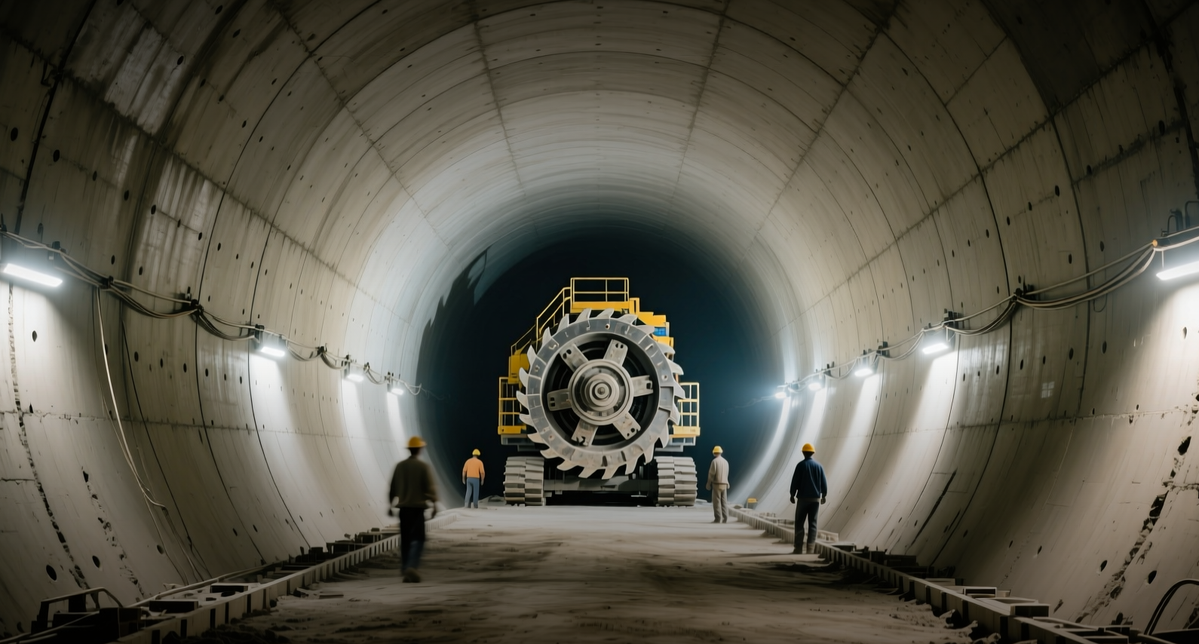
Getting into Elon Musk's latest deal now comes with a job description attached. The Boring Company closed a funding round valuing the tunnel venture at about $20 billion, but only for investors willing to recruit staff and court government officials — or risk having part of their stake bought back. Musk confirmed the reporting Thursday night with a one-word "True" post on X.
The unusual conditions, reported by The Wall Street Journal citing people familiar with the matter, mark a sharp departure from conventional private financings. Some investors in the round were told they must help fill open roles or assist business development, such as making introductions to officials in cities where the company might dig tunnels. If they fail to produce viable candidates, The Boring Company retains the right to repurchase a portion of their shares.
The terms underscore the leverage Musk carries in private markets, where many investors treat his ventures — Tesla, SpaceX and Boring — as near-guaranteed winners and accept added obligations to get in. The $20 billion figure represents company valuation rather than capital raised; the actual round size, the investor list and whether the number is pre-money or post-money have not been disclosed. The valuation marks a roughly 3.5-fold jump from the $5.7 billion Series C round in 2022.
The round lands as private-market appetite for Musk's companies runs hot after SpaceX's record-setting public debut in June, which raised $86 billion in the largest IPO in history. SpaceX's market value nearly doubled immediately after listing before pulling back about 7 percent from its offer price. The Boring Company, spun off from SpaceX in 2018, operates a transit network beneath the Las Vegas Strip and has pitched projects in Baltimore, Chicago and Los Angeles.
A business that runs on permits, not software
The operational strings attached to the round reflect the municipal reality of underground construction, which depends on permits, environmental approvals and land access rather than the growth metrics of a software startup. The company has described to prospective investors some of the roles it is seeking to fill, the people said.
The Boring Company is funding a new loop in Nashville at its own expense and earlier this year announced a Dubai project with the local transport authority RTA. Phase 1 spans four miles at a cost of $154 million, expected within one year; Phase 2 extends the route to 14 miles over three years at $545 million.
The valuation gives investors a reference point for the enterprise, but it does not equal revenue, profit or secured engineering contracts. Public filings include no prior-round financials, so the magnitude of the increase and whether operations can support a roughly $20 billion enterprise value remain open questions. Tesla's financial reports previously disclosed a $1 billion fair-value gain from its SpaceX stake, and Musk has said on earnings calls there is "increasing overlap" between the two companies — an ecosystem effect that may help explain why backers accept terms that would be unusual elsewhere.
How the capital is deployed, the pace of tunnel execution and the complexity of government approvals will determine whether the valuation holds. For a company whose business model depends on winning municipal contracts, the requirement that investors open doors to officials may prove as valuable as the money itself.
This article is for informational purposes only and does not constitute investment advice.
