
Iran's conflict with the US keeps pressuring fuel stores and crude prices even as investors focus on AI and the Federal Reserve's next move.
Iran's conflict with the US keeps pressuring fuel stores and crude prices even as investors focus on AI and the Federal Reserve's next move.
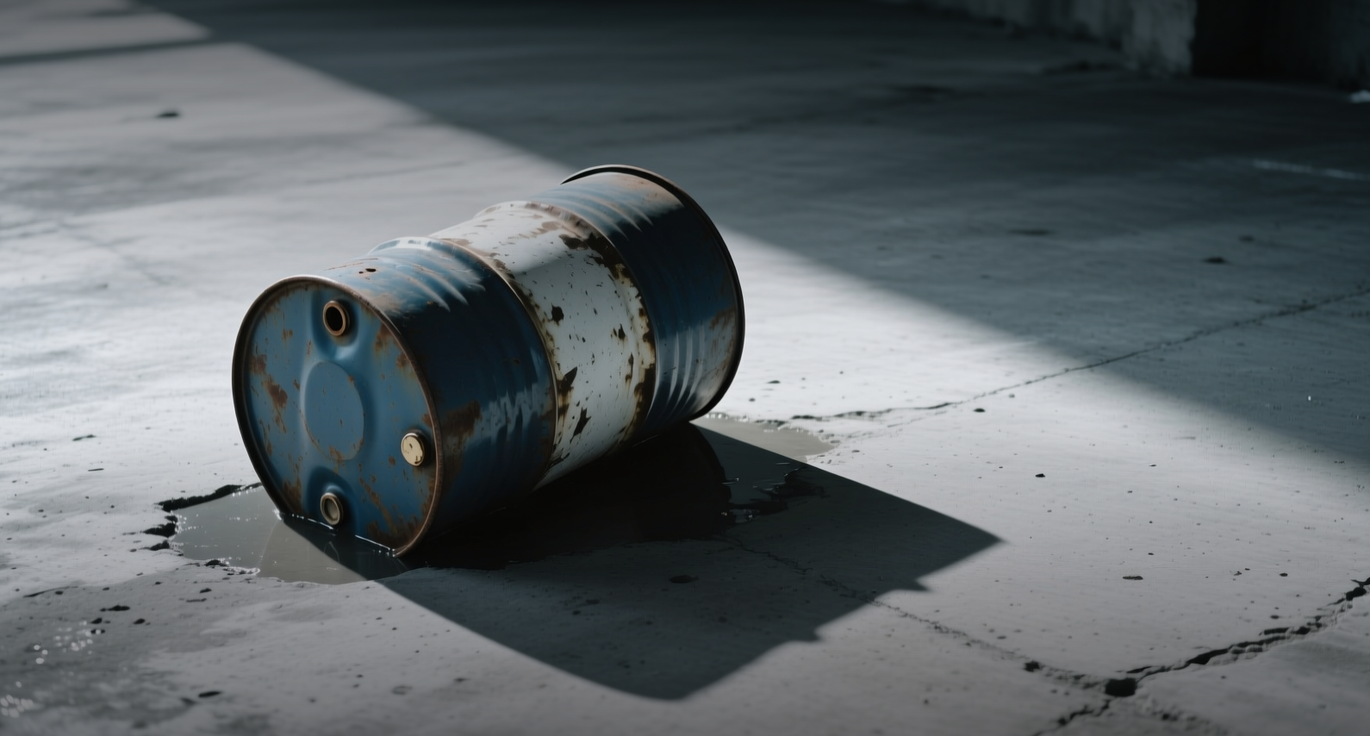
Iran war risk remains a background factor for the global economy, keeping Brent crude elevated near $86 a barrel as the conflict pressures fuel inventories, even as attention shifts to artificial intelligence and the Federal Reserve's policy path.
"While AI and the Fed may be issues more at the forefront of the economic conversation, risk from the Iran war and its subsequent impact on fuel stores remains an important factor in the background," Torsten Slok, chief economist at Apollo, said.
Brent crude traded near $86 a barrel on continuing Middle East tensions and fresh supply concerns after an attack on a Caspian Pipeline Consortium terminal, while the benchmark slipped 0.2 percent to $88.87 a barrel in Asian trade. The conflict has forced companies from India's Thermax to Privi Speciality Chemicals to flag shipment delays and cost overruns, with the war disrupting supply chains across the region.
The geopolitical backdrop complicates the Fed's task as Chairman Kevin Warsh weighs a sweeping overhaul of how the central bank operates. Warsh has floated the possibility of cutting the Federal Open Market Committee's policy meetings to six times a year from eight, with two additional gatherings devoted to substantive economic discussion, according to people familiar with the matter.
Oil's Risk Premium Persists
The Middle East conflict has kept a persistent risk premium in crude, with Brent holding above $85 a barrel for much of the year even as global demand softened. The last comparable escalation, the 2022 supply shock after Russia's invasion of Ukraine, pushed Brent above $120 a barrel within weeks, showing how quickly energy prices can transmit into inflation.
For India, one of the largest importers of crude, the war has raised fuel costs and forced the government to lean on ethanol blending to contain petrol prices. Officials said petrol could have reached Rs 125 a liter without the 20 percent ethanol blend, which held consumer prices at Rs 94.77 a liter. The government's subsidy bill for petrol and diesel could climb to Rs 40 billion in 2026, more than double the Rs 15 billion allocated in the budget.
The elevated crude price has also weighed on currencies across Asia, with the Indonesian rupiah and Philippine peso hitting record lows in 2026 even as Malaysia's ringgit held steady on its status as a net energy exporter. Higher fuel costs feed directly into inflation expectations, complicating monetary policy from New Delhi to Jakarta.
A Fed Rethink
Warsh, who took the helm in May after being nominated by President Donald Trump, has raised the possibility of fewer press conferences and significantly shortened post-meeting policy statements. He has also announced five task forces to consider changes ranging from communication to balance-sheet management.
The FOMC currently meets eight times a year in Washington, a practice it has followed since the early 1980s. A reduction to six policy meetings would mark a significant shift in how the central bank operates, though no decision has been made. The discussion last week centered on whether the schedule of policy decisions could be better aligned with major economic data releases to improve decision-making.
Slok said the market would continue to price the Fed regardless of the schedule. "The market will still try to price the Fed regardless of the schedule," he said.
The Fed has already scheduled meetings for September, October and December 2026 and for 2027. Under the FOMC's rules of procedure, it meets at least four times a year in Washington, if not more.
For investors, the combination of elevated oil prices and a Fed in transition keeps the macro outlook uncertain. If the Iran conflict escalates further, fuel costs could push inflation higher and force the Fed to hold rates for longer than markets expect. If tensions ease, the risk premium in crude could unwind quickly, giving the central bank room to move.
This article is for informational purposes only and does not constitute investment advice.
