


Key Takeaways: Iran's closure of Gulf shipping lanes is draining global munitions stockpiles, putting AeroVironment and L3Harris at the fastest-growing points of defense demand.
Key Takeaways: Iran's closure of Gulf shipping lanes is draining global munitions stockpiles, putting AeroVironment and L3Harris at the fastest-growing points of defense demand.
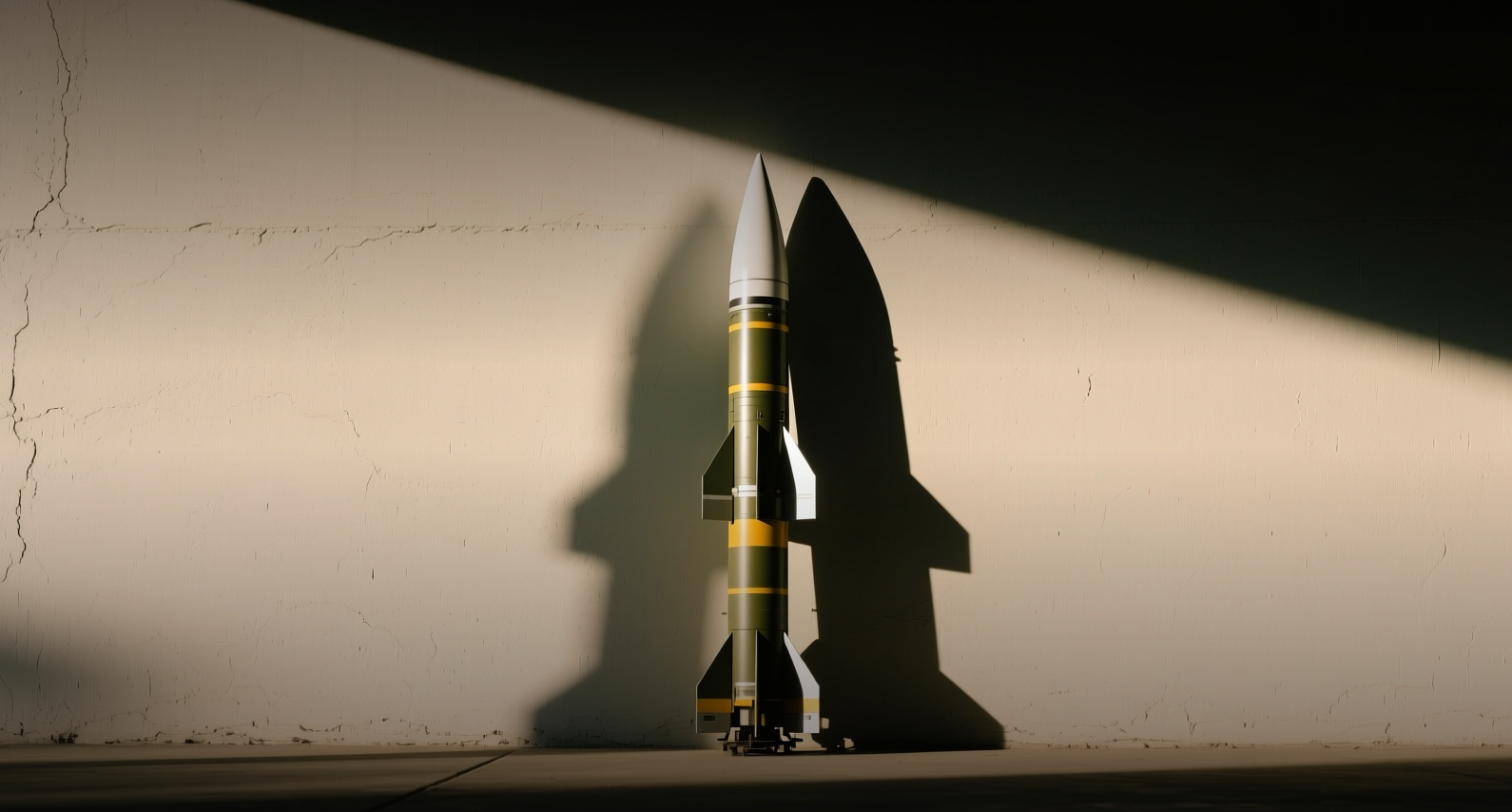
Sustained strikes around Iran's Gulf shipping lanes have drained global stockpiles of drones, precision weapons, and artillery shells, pushing AeroVironment and L3Harris to the front of a defense supply chain running thin on munitions.
"Sustained operations are draining inventories faster than factories can refill them," said Micah Zimmerman, an analyst at The Motley Fool, describing the pressure on contractors from nightly strikes around Hormuz and the Red Sea.
AeroVironment booked a $186 million U.S. Army order in February for its Switchblade loitering munitions under a five-year contract with a $990 million ceiling. L3Harris reported a record $42 billion backlog in the second quarter on $7.3 billion of new orders, with revenue up 8 percent to $5.9 billion.
The stakes extend beyond oil, which topped $100 a barrel after tanker attacks near Saudi Arabia. Governments that watched inventories empty are committing multiyear funding to rebuild them, a shift that could lift defense valuations as long as the Gulf stays contested. Defense stocks have broadly outperformed as the crisis deepened, with sector gains tracking the widening risk premium priced into crude.
AeroVironment's February order covers Switchblade 600 Block 2 and Switchblade 300 Block 20 loitering munitions, systems that let small units destroy armored vehicles and key targets without calling in larger missiles or aircraft. The Army is rolling the drones into its core toolkit with multiyear funding and export support to allies, a sign loitering munitions are no longer a niche experiment. The company's shares rose 9.12 percent on the news.
The upside is clear in an era when U.S. Central Command talks about nightly drone and missile strikes around Hormuz and the Red Sea. The risk is that any production stumble or integration delay could sour confidence at a time when demand is hot and alternatives are emerging.
L3Harris helps militaries see, talk, and coordinate, and its latest results show a company already closing supply gaps. First-quarter orders reached $7.8 billion with a book-to-bill ratio of 1.4, pushing backlog to a record $40.7 billion. By the second quarter, backlog had climbed again to $42 billion on $7.3 billion of new orders and an 8 percent revenue increase to $5.9 billion.
The company outlined roughly $2 billion in commitments to expand missile production capacity, including facilities, equipment, and supply chain upgrades. That is about hardening the industrial base so commanders are not told the shelves are empty. The downside is shared with other defense primes: large backlogs can tempt management into overpromising, and missile programs are politically sensitive to budget cycles, elections, and shifting threat perceptions.
Neither company is a pure bet on a single conflict; their contracts and backlogs stretch across multiple theaters and customers. But both sit at choke points in the defense supply chain that Iran tensions have brought into relief. The last time Gulf shipping lanes faced sustained closures of this scale was during the 1980s Tanker War, when attacks on oil tankers drew in U.S. naval escorts. Investors looking to express a view that governments will finally pay up for munitions, sensors, and shells should keep these names on the watch list, within a broader portfolio rather than as a single bet on a less stable world.
This article is for informational purposes only and does not constitute investment advice.
