


IonQ's $1.8 billion acquisition of SkyWater Technology closed July 31 after a split FTC vote cleared the vertical merger without a remedy.
IonQ's $1.8 billion acquisition of SkyWater Technology closed July 31 after a split FTC vote cleared the vertical merger without a remedy.
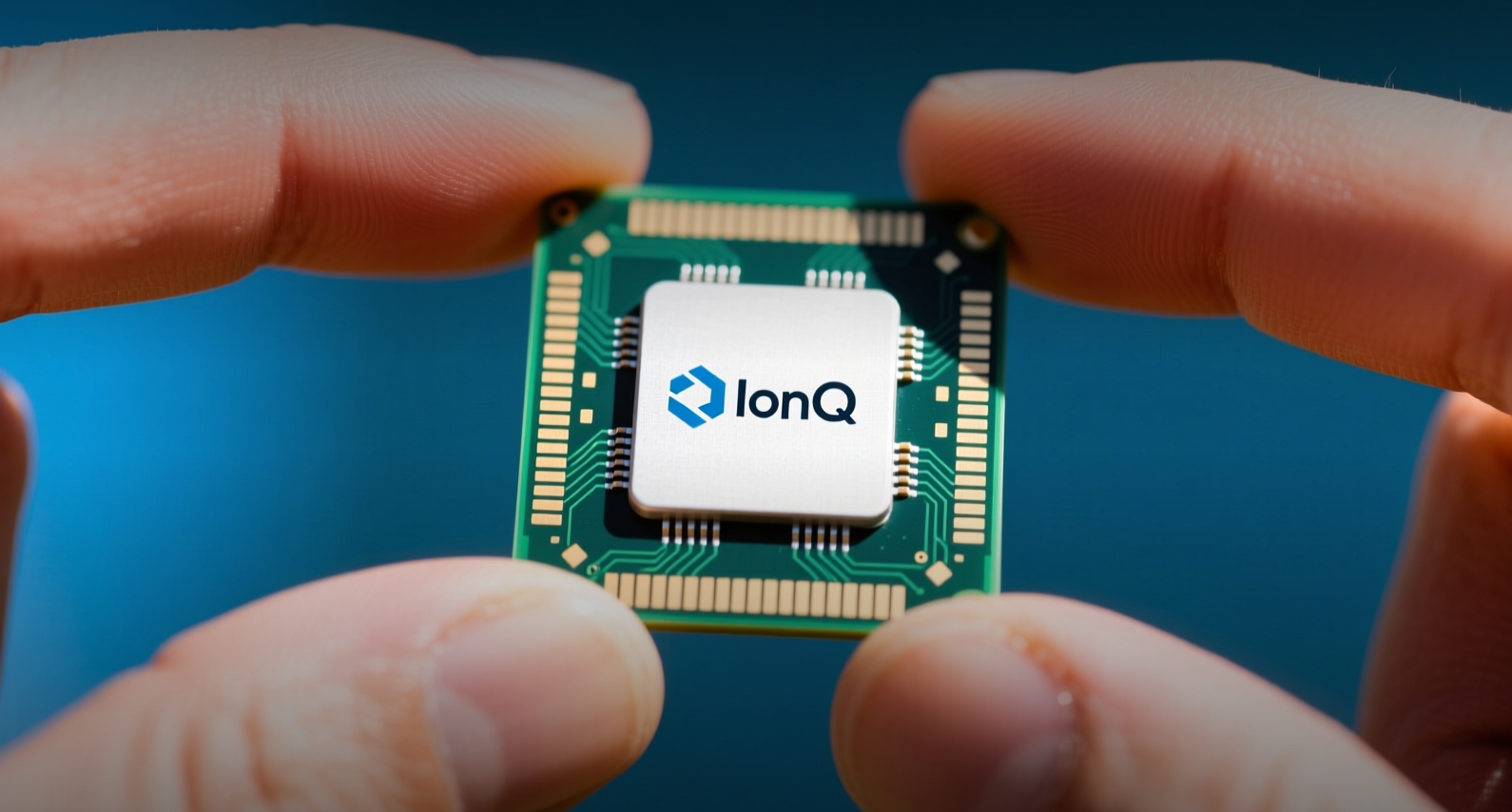
IonQ completed its $1.8 billion acquisition of SkyWater Technology on July 31, paying $741 million in cash and roughly 24 million shares to secure domestic chip fabrication capacity for its quantum computing roadmap.
"This transformational acquisition enables IonQ to materially accelerate its quantum computing roadmap and secure its fully scalable supply chain domestically," Niccolo de Masi, chairman and CEO of IonQ, said in the deal announcement.
SkyWater shareholders received $15.00 in cash plus 0.4883 IonQ shares per share, with the foundry's owners holding between 4.4 percent and 6.7 percent of the combined company. Total cash outlay reached about $1.1 billion, including roughly $315 million to retire SkyWater debt and cover deal costs. IonQ ended June with $3.0 billion in cash and investments, leaving approximately $2.0 billion after the transaction.
The deal gives IonQ direct control over the scarce custom chip fabrication capacity its ion-trap quantum processors require, pulling development of its 2-million-qubit chip forward by up to one year. SkyWater generated $442 million in revenue in 2025, nearly double IonQ's trailing-12-month total of about $246 million, making the buyer the smaller business by sales.
The FTC's clearance path was unusual. Chairman Andrew Ferguson and Commissioner Mark Meador split 1-1 on whether to challenge the transaction, with a tied vote insufficient to block it. The Commission granted early termination of the Second Request waiting period just six months after the deal was announced on January 26 — fast for a transaction that raised complex vertical foreclosure questions.
Ferguson, who would have required a behavioral remedy, cited short-term risks including the merged firm's incentive to refuse supply to IonQ's quantum rivals and its access to competitors' confidential information. Meador concluded the evidence was insufficient to show a substantial lessening of competition, noting that the share of semiconductor foundry services IonQ could foreclose fell "well below the legal threshold for substantial foreclosure" of 50 percent.
SkyWater operates semiconductor foundries in Minnesota, Florida, and Texas, manufacturing chips on mature, specialized processes. The company ended 2025 with eight commercial engagements with quantum computing companies, and its quantum-related services revenue grew more than 30 percent for the year. Revenue rose 29 percent in 2025, though most of that growth came from the mid-2025 purchase of a Texas fab from Infineon, which added $175 million in the second half.
IonQ expects quantum processors with 200,000 physical qubits — enabling more than 8,000 high-fidelity logical qubits — to begin functional testing in 2028. The company reported record second-quarter revenue of $80.1 million, up 287 percent year over year, and raised full-year guidance to $280 million to $290 million. Commercial customers accounted for about 60 percent of quarterly revenue.
The outcome signals a pragmatic approach to vertical mergers at the FTC under the current two-commissioner configuration. Ferguson acknowledged that a lawsuit to enjoin the merger entirely "would be an imprudent use of the agency's resources," while expressing openness to behavioral remedies when they allow procompetitive benefits to be realized. Both commissioners referenced Trump administration policy supporting domestic quantum manufacturing as a factor in their analysis.
The DOJ's newly announced model timing agreement for Second Requests, released July 28, reinforces the trend toward faster merger reviews. For companies contemplating vertical transactions, the IonQ/SkyWater outcome suggests the FTC may weigh demonstrated procompetitive benefits against foreclosure concerns and accept behavioral remedies rather than demand divestitures.
IonQ shares traded at $46.26 on Aug. 16, down from a 52-week high of $84.64, giving the company a market value of about $18 billion. The stock rose 6.81 percent to $50.80 when the deal was first announced in January.
This article is for informational purposes only and does not constitute investment advice.
