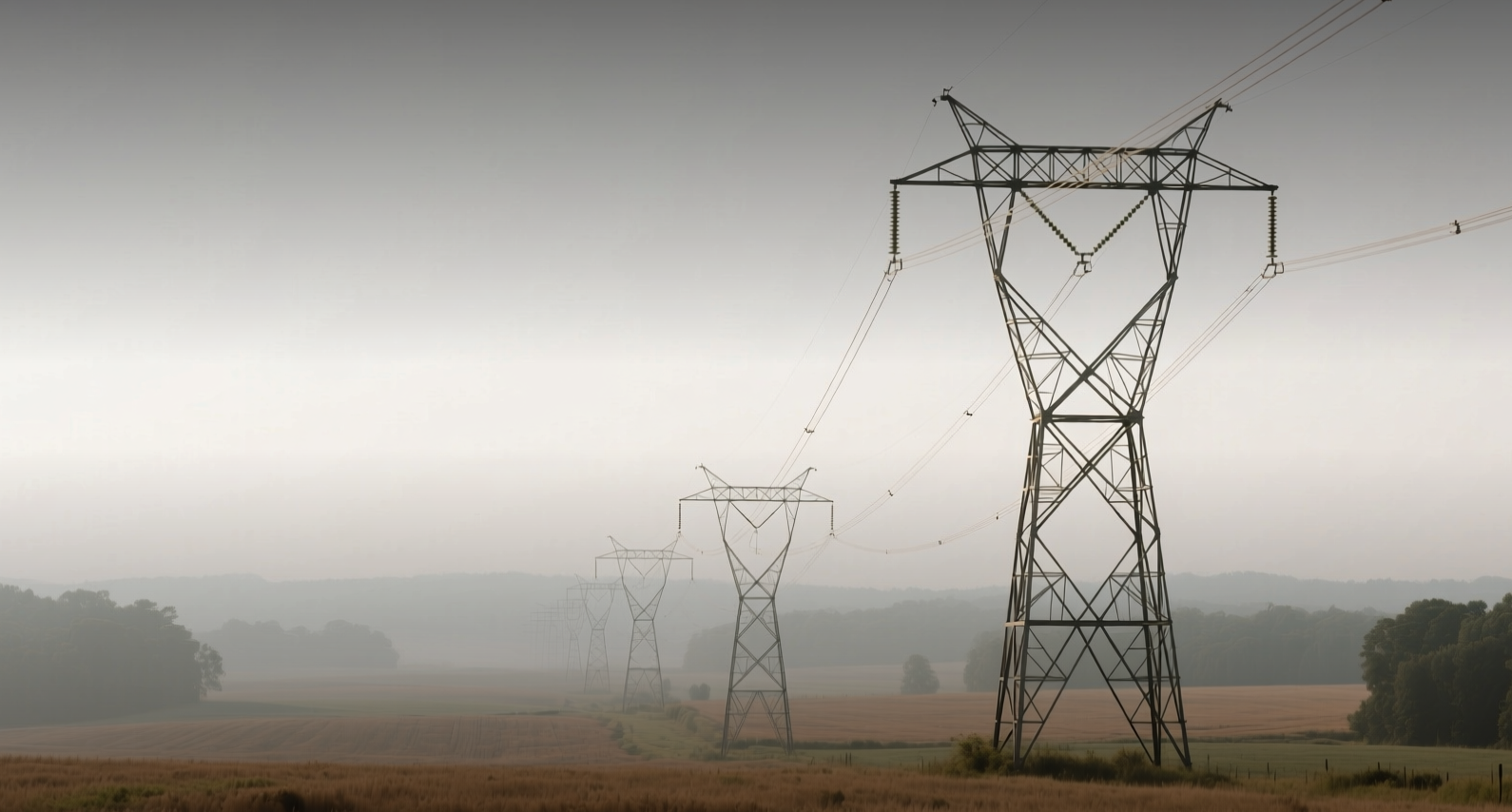
The risk of power outages is escalating across a broad swath of the United States as intense heat tests electricity supplies serving millions of homes and businesses from the Midwest through the Mid-Atlantic, with the largest US grid operator bracing for near-record demand.
The US Department of Energy warned of heightened blackout risk in the PJM Interconnection, the country's biggest electric grid, which serves 67 million people across territory stretching from Washington D.C. to Chicago. Late Tuesday, DOE Secretary Chris Wright authorized PJM to direct backup generation resources to operate as a last resort before declaring a level 3 energy emergency alert, one of the final steps before rotating blackouts are ordered.
"Maintaining affordable, reliable, and secure power for hardworking American families and businesses during periods of hot weather is non-negotiable," Wright said in a statement. The DOE described the move as part of a plan "to stabilize the Mid-Atlantic grid and mitigate the risk of blackouts."
Temperatures in Chicago, St. Louis and Washington D.C. were expected to climb above 90 degrees Fahrenheit (32 degrees Celsius) during peak electricity demand Wednesday. PJM's "maximum generation emergency" alert, in effect early Wednesday, directed generators on planned outages to report how quickly they could return units to service.
The Midcontinent Independent System Operator, which runs the grid for 15 states in the Midwest and the South, predicted peak demand Wednesday would approach record territory at about 121 gigawatts, against an all-time high of 127.1 GW. MISO warned of tight conditions and raised its normal reserve requirement as a buffer against unexpected power plant outages and transmission line congestion.
In the Ozark region of rural Missouri, the Howell-Oregon Electric Cooperative advised customers to unplug unused chargers and appliances because of the continued extreme heat, and asked them to consider raising thermostats to cut air conditioning use.
The strain on the two grids serving tens of millions of customers underscores how summer heat spikes are testing generation capacity that has grown slowly even as data-center demand climbs. Utilities with exposure to the affected regions face the risk of emergency curtailments and higher wholesale power prices, while any rotating outages would disrupt commercial and industrial activity across the corridor. Grid operators will be watching afternoon demand peaks Wednesday and Thursday, when temperatures are forecast to stay elevated, to judge whether emergency measures hold.
This article is for informational purposes only and does not constitute investment advice.