
Key Takeaways:
- Global EV sales rose 9% year over year to 1.85 million units in July, the fifth straight month of growth
- Europe surged 33% to 450,000 units on subsidy support, while North America fell 27% and China slipped 5%
Key Takeaways:
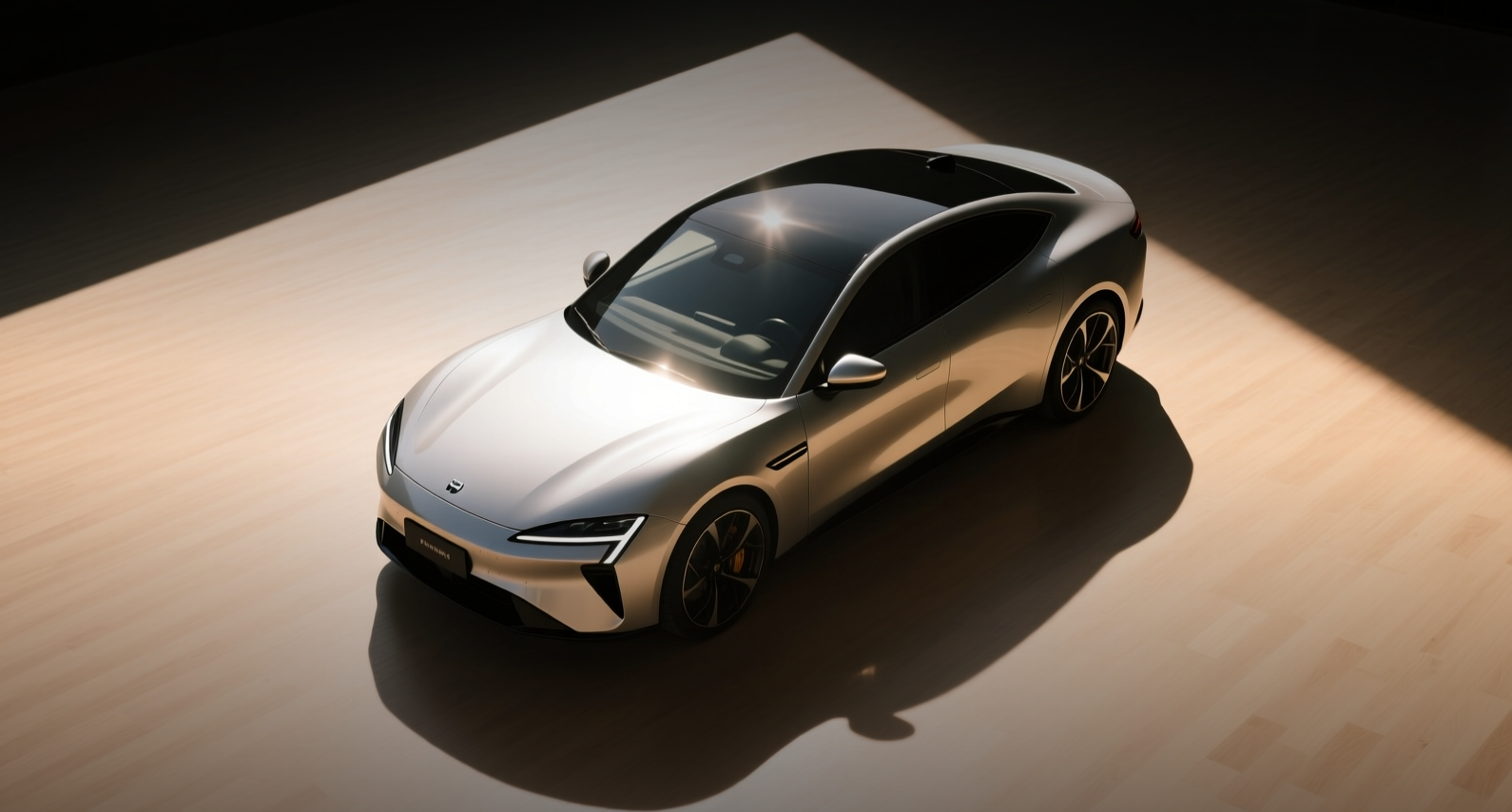
Global EV sales rose 9% year over year to 1.85 million units in July, extending a five-month growth streak, as European subsidies offset declines in China and North America.
"The global EV market continues to be defined by regional divergence," George Whitcombe, senior EV analyst at Benchmark Mineral Intelligence, said.
Europe delivered 450,000 units in July, up 33% year over year, with France surging 81%, Germany 46%, and the UK 43%. China, the largest market, sold 980,000 units, down 5%, while North America dropped 27% to 140,000 units after the end of US federal EV tax credits.
The divergence reshapes the competitive environment: European automakers and battery suppliers benefit from policy tailwinds, while US manufacturers face a demand vacuum and Chinese producers increasingly rely on exports — more than 500,000 new energy vehicles shipped overseas in July, another record.
Several of Europe's largest auto markets have restored or expanded EV incentive programs over the past 18 months, Benchmark said. Spain opened its new Auto+ program on Aug. 4, offering buyers up to €4,500 ($5,190) with retroactive applications for purchases dating to Jan. 1. Spanish EV sales are already up 34% this year.
France recorded an 81% jump in July EV sales, with EVs reaching 37% of total vehicle sales — a record penetration rate. Year-to-date European sales reached 3 million units, up 28% from the same period in 2025.
"Europe's legislative drivers and subsidies continue to support the strong growth in the region," Whitcombe said. "What stands out about Europe is the subsidy support currently available in its major markets, which is enabling them to be prominent performers in terms of EV sales growth within the region."
China's headline decline to 980,000 units obscures a sharper structural shift. Benchmark groups battery-electric vehicles with plug-in hybrids and extended-range EVs, and those powertrains are moving in opposite directions.
BEV sales rose 6% year over year in July, while plug-in hybrid sales fell 21.1% and extended-range EV sales dropped 16.5%. Gasoline car sales plunged 44%. China's broader new energy vehicle category still reached a record 65.1% share of retail auto sales, with EV penetration exceeding 50% year to date, up from 48% a year earlier.
Chinese automakers including BYD are increasingly looking overseas for growth. More than 500,000 NEVs were exported in July — another monthly record — as domestic demand softens.
North American EV sales fell 27% year over year to 140,000 units in July, with year-to-date volumes down 18% to 900,000. The US market, which showed signs of recovery in the second quarter, saw July sales fall more than 30% year over year.
Benchmark attributes the slump to the loss of federal EV support and a weakened regulatory environment, as well as a tough comparison with last summer's buying rush before the federal EV tax credit was eliminated on Sept. 30, 2025. Tesla, the largest US EV maker, faces the brunt of the demand contraction.
The rest of the world delivered the fastest growth, with July sales nearly doubling to 280,000 units, up 97% year over year. Year-to-date sales in these markets reached 1.7 million, up 96%.
For investors, the regional split creates divergent exposure. European EV makers and battery suppliers stand to benefit from sustained policy support, while US-focused manufacturers face headwinds from the tax credit expiration. Chinese producers' pivot to exports could pressure margins as they compete in overseas markets.
This article is for informational purposes only and does not constitute investment advice.
