

Chinese automakers will enter the US market regardless of legislative barriers, and American manufacturers must prepare to compete head-on, Ford Motor Executive Chairman Bill Ford said.
Chinese automakers will enter the US market regardless of legislative barriers, and American manufacturers must prepare to compete head-on, Ford Motor Executive Chairman Bill Ford said.
Chinese automakers will enter the US market regardless of legislative barriers, and American manufacturers must prepare to compete head-on, Ford Motor Executive Chairman Bill Ford said.
US lawmakers advancing legislation to ban Chinese vehicles cannot expect to keep them out forever, Ford Motor Executive Chairman Bill Ford said, urging the domestic industry to prepare for direct competition.
"Chinese automakers are coming to the US market sooner or later, and we need to be ready to compete head-on," Ford said, according to AASTOCKS Financial News. The company has publicly supported the congressional push to ban Chinese vehicles but recognizes the limitation of that approach. Ford's comments echo those of CEO Jim Farley, who earlier warned Western carmakers were "in a fight for our lives" against Chinese competition.
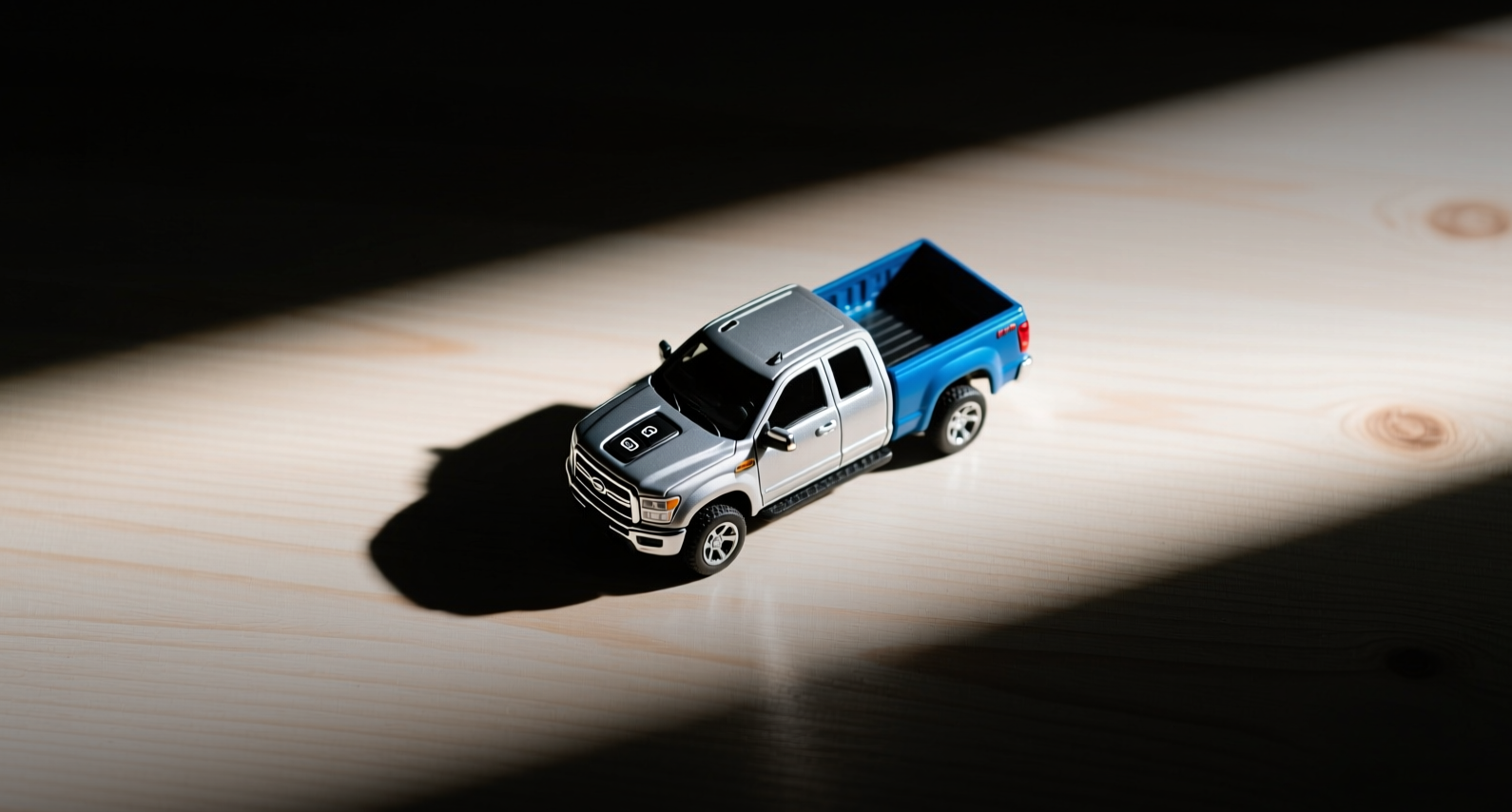
The warning comes as Ford develops a new all-electric pickup truck priced at $30,000, a direct bid to undercut affordable Chinese EVs that have reshaped global auto markets. China produced almost 75 percent of the world's EVs in 2025, and its largest manufacturer, BYD Co., has overtaken Toyota as Australia's second-biggest car brand within three years of entering that market, according to industry reports. Volkswagen, once the biggest carmaker in China, announced plans in June to cut 100,000 jobs worldwide as it struggles to compete.
The stakes extend beyond Ford's product line. Subsidies account for just 5 percent of China's price advantage, according to Rhodium Group, with the remainder driven by scale, vertical integration and manufacturing innovation. If the US cannot match those structural advantages, tariffs alone will not prevent Chinese automakers from eventually capturing American market share.
The Real Cost Gap Isn't Subsidies
The common political narrative — that Chinese EVs are cheap only because of government subsidies — misdiagnoses the competitive threat. China produces more EVs than the rest of the world combined, and its manufacturers such as BYD are vertically integrated from battery cells to finished vehicles, even building their own transport ships for exports. The country also dominates the global supply chains for processed lithium, nickel and graphite, giving its automakers shorter supply chains and lower transport costs.
Ford's own strategy reflects this reality. The $30,000 electric pickup represents a race to the bottom on pricing that will pressure margins across the industry. US legacy automakers, by contrast, rely on supplier networks built for internal combustion engines, and retooling those networks for EVs is slow and expensive. Honda CEO Toshihiro Mibe admitted after visiting a high-tech EV factory in Shanghai that "we have no chance against this."
Tariffs Buy Time, Not Competitiveness
The US Congress is advancing legislation to ban Chinese vehicles from entering the US market, a measure Ford has publicly supported. But Bill Ford's warning suggests the company recognizes that protectionism alone is insufficient. Chinese manufacturers can bring a new model to market in as little as 18 months, according to the Financial Times, compared with three to five years for US automakers. That speed advantage compounds with each product cycle.
The last major US tariff escalation on Chinese goods — the Section 301 tariffs imposed in 2018 — affected roughly $550 billion in bilateral trade. A similar approach to EVs would face the same limitation: tariffs raise the price of imported goods but do nothing to address the underlying cost and innovation gaps that make Chinese EVs competitive. Michigan Congresswoman Haley Stevens has called for a ban on Chinese EVs, arguing the industry is "heavily subsidized by the Chinese Communist Party," but the data suggests the competitive threat runs deeper than subsidies.
For Ford and other US automakers, the path forward requires matching China on scale, supply chain control and manufacturing speed — not just blocking its products at the border. With global EV sales forecast to quadruple by 2030, the window to build that capability is narrowing.
This article is for informational purposes only and does not constitute investment advice.
