
European natural gas prices surged 4.2 percent to €68.61 per megawatt-hour, the highest since January 2023, as US sanctions on Iran tightened Middle East supply.
European natural gas prices surged 4.2 percent to €68.61 per megawatt-hour, the highest since January 2023, as US sanctions on Iran tightened Middle East supply.
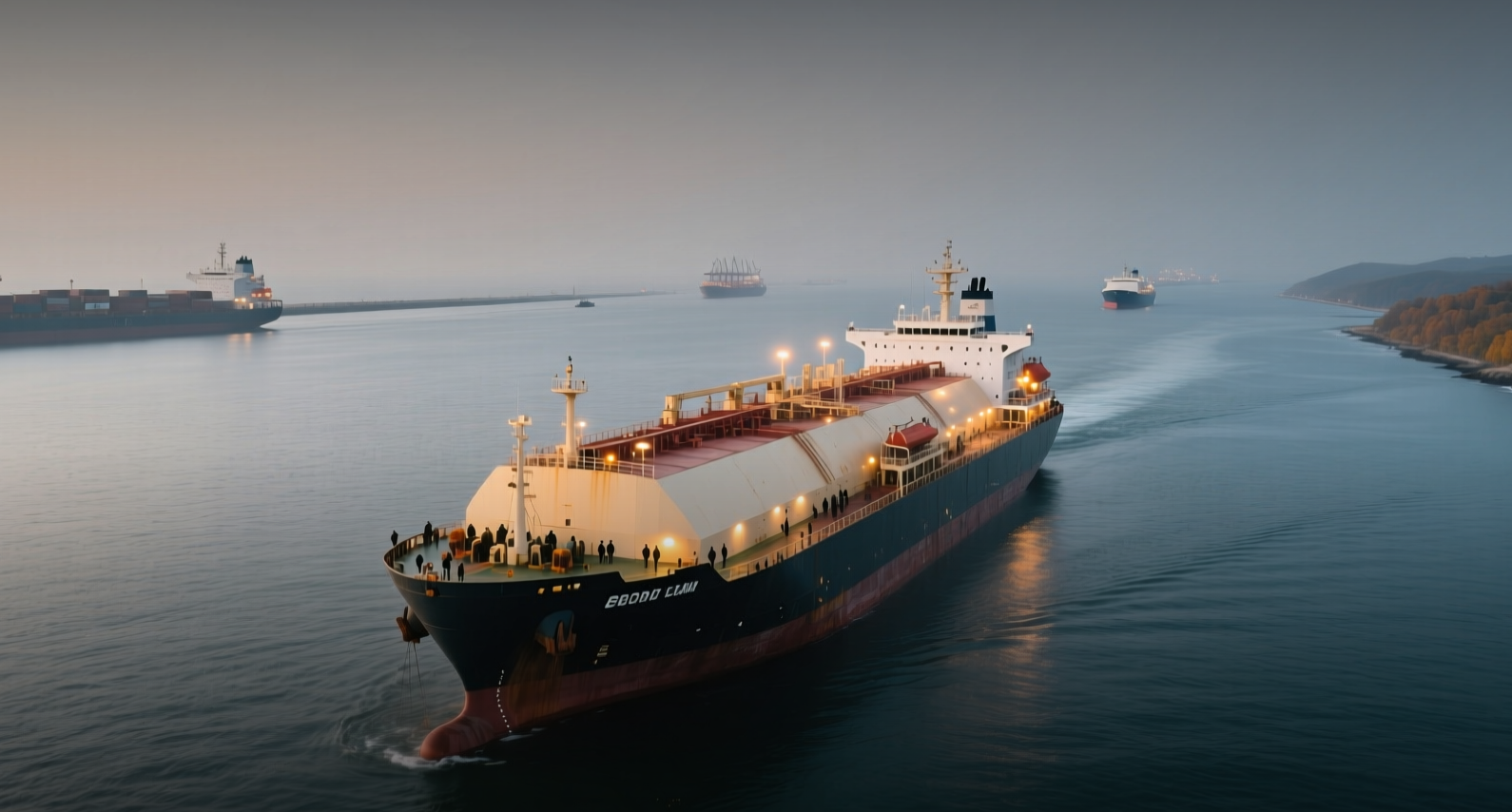
European natural gas prices climbed 4.2 percent to €68.61 per megawatt-hour on Monday, the highest since January 2023, as US sanctions on Iran intensified concerns about Middle East energy supplies ahead of winter.
"Our objective is to sever every economic lifeline that sustains this tyrannical regime until Tehran stands alone," Scott Bessent, US Treasury Secretary, told reporters.
The September futures contract at Dutch-based TTF, Europe's benchmark gas trading hub, gained 4.2 percent. US natural gas futures on NYMEX settled up 0.3 percent at $2.782 per million British thermal units, supported by hot weather across the southern US driving power-sector demand. European storage stands at 62 percent, leaving the region increasingly dependent on a mild winter to curb heating demand.
Goldman Sachs estimates the TTF price could top €100 per megawatt-hour in December if Middle East disruptions extend into 2027, more than double the bank's base forecast of €50. With storage at 62 percent and Asian buyers competing for LNG cargoes, Europe faces a narrowing supply cushion as the heating season approaches.
Bessent announced Operation Economic Outcast, an "unprecedented" sanctions campaign targeting Iran's aviation, shipping, gold, technology, and digital asset sectors. He warned that any entity facilitating money laundering for Tehran would be permanently removed from the US dollar system and signaled that a major financial institution could be sanctioned by the end of the week.
The measures follow President Donald Trump's warning last week that Washington could sanction countries continuing to trade with Iran. Tehran rejected the threats as a sign of desperation, arguing that further sanctions would fail to force the country into submission.
European gas markets remain particularly vulnerable to developments in the Middle East because the conflict has kept the Strait of Hormuz largely closed, delaying Qatari liquefied natural gas shipments to Europe. The disruption has coincided with stronger cooling demand during the summer heatwave, slowing the pace at which European countries are replenishing inventories.
Goldman Sachs analysts Samanta Dart and Laura Sir wrote in an August 23 report that at current price levels, Europe will not be able to secure enough gas for winter. The bank raised its fourth-quarter 2026 TTF forecast from €40 to €53 per megawatt-hour, and its 2027 forecast from €30 to €31. At the current pace of filling, gas storage in northwestern Europe will end August around 51 percent full, 3.4 percentage points below the bank's prior base projection.
Asian demand continues to strengthen, adding to the challenge of replenishing European storage as buyers in the region attract LNG cargoes away from Europe. The last time TTF traded above €65 was in March 2023, when the market was still adjusting to the loss of Russian pipeline flows. A prolonged disruption could leave European markets facing a narrower supply cushion than at any point since the 2022 energy crisis.
Rystad Energy said in early August that an unusually strong El Nino pattern, if it pushes winter temperatures at least 2 degrees Celsius above the historical average, could cut gas consumption enough to partly offset lower stock levels. Goldman Sachs, however, bases its projection on average winter temperatures, meaning any softer effect from the weather is not yet built into its €100 scenario.
The pressure on European energy prices extends beyond gas. Diesel prices on the Frankfurt exchange climbed to $1,304 per ton last week, above the 2022 record, as the same Middle East disruptions tightened refined product supply. The parallel moves in gas and diesel show that the supply shock is not confined to a single commodity but is rippling across the continent's entire energy complex.
The next data point that will show whether Goldman's scenario is playing out is the pace of storage filling through September and October, along with how much LNG Europe manages to divert away from the Asian market before the heating season begins. If storage levels remain below historical averages entering November, utilities and industrial buyers will face a winter of elevated prices that could feed through to consumer bills and manufacturing costs across the bloc.
This article is for informational purposes only and does not constitute investment advice.
