
Data-center REITs have returned 36% year-to-date, nearly tripling the broader real estate market's 13% gain, as the AI infrastructure buildout splits commercial property into outperforming and lagging sectors.
Data-center REITs have returned 36% year-to-date, nearly tripling the broader real estate market's 13% gain, as the AI infrastructure buildout splits commercial property into outperforming and lagging sectors.
Data-center REITs have returned 36% year-to-date, nearly tripling the broader real estate market's 13% gain, as the AI infrastructure buildout splits commercial property into outperforming and lagging sectors.
Data-center REITs have returned 36% year-to-date, nearly tripling the 13% advance in the Vanguard Real Estate ETF, as hyperscalers pour capital into AI computing infrastructure and create a structural divide across commercial property.
Moody's Corporation estimates that up to $3 trillion could be invested in AI data center infrastructure globally by 2030, according to a research note cited by TechRepublic, reflecting the scale of capital flowing into the sector.
The 23-percentage-point performance gap between data-center REITs and the broad market highlights how AI-driven demand is reshaping real estate investment. While traditional office and retail properties face headwinds from hybrid work and shifting consumer habits, data-center landlords are benefiting from sustained capital expenditure by Microsoft, Google, and Amazon. Samsung Heavy Industries this month announced plans to commercialize a floating data center platform by 2028, with CEO Choi Sung-an describing floating data centers as "a major new opportunity for the shipbuilding and offshore industries."
The divergence carries implications for portfolio allocation. Real estate investors who overweighted data-center exposure captured gains more than double those of broad-market real estate funds. With Moody's projecting $3 trillion in AI data center investment by 2030, the sector's relative outperformance may persist as long as hyperscaler capital expenditure remains elevated.
The capital flowing into data centers is not being evenly distributed across property types. The 23-percentage-point gap between data-center REITs and the VNQ benchmark reflects a rotation of institutional capital toward AI-linked assets. Office REITs continue to struggle with elevated vacancy rates, while retail properties face pressure from changing consumer behavior. The divergence may widen further as hyperscalers maintain elevated spending on AI infrastructure.
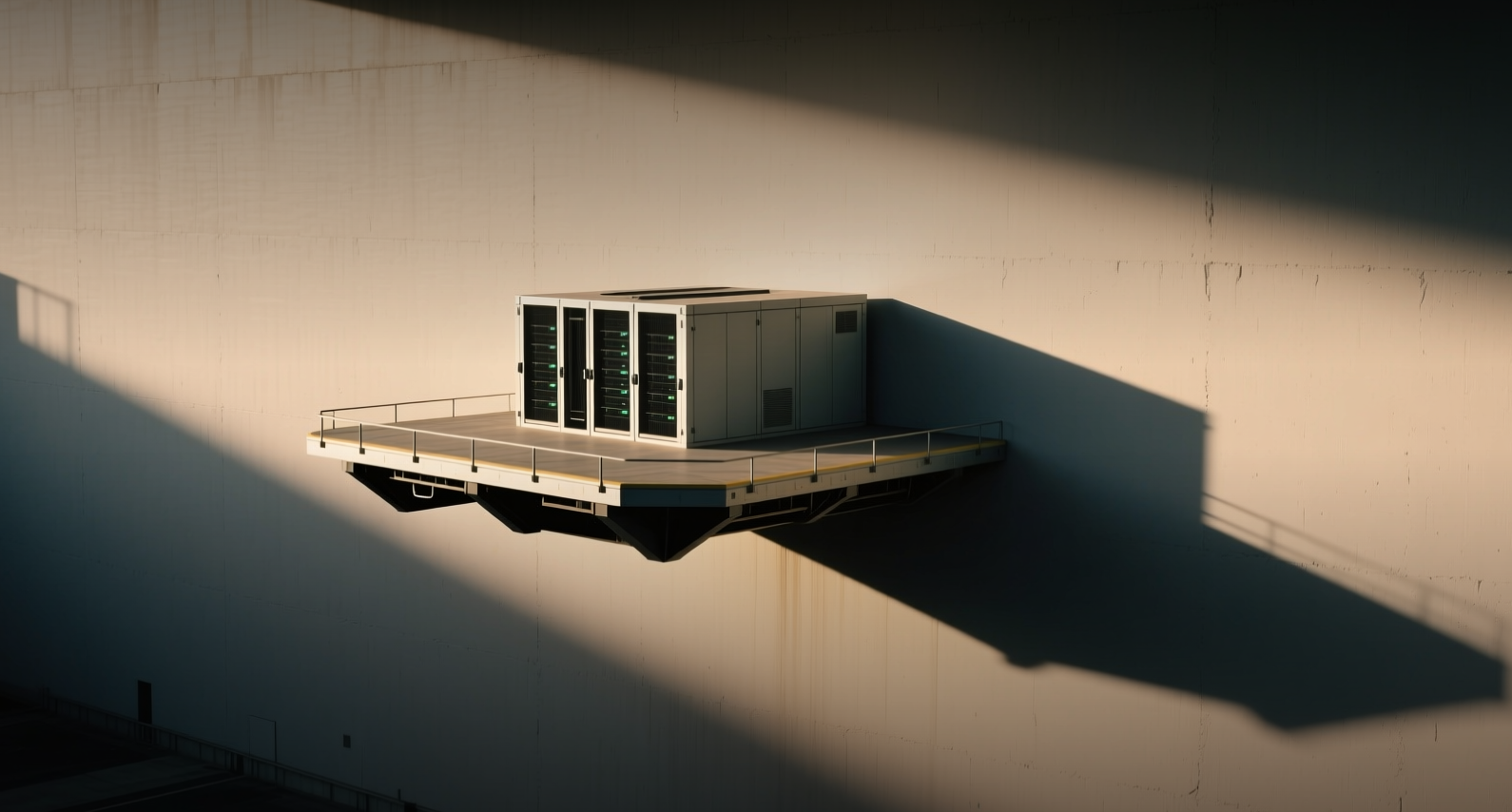
Samsung Heavy Industries' floating data center concept, targeting a commercial launch by the second quarter of 2028, illustrates the lengths operators will go to bypass land constraints and power shortages that have slowed traditional data-center construction. The approach uses shipbuilding methods to manufacture server facilities on barges, with server halls, power equipment, and LNG storage built into the platform. The first deployments are expected to sit close to shore and use existing land-based electricity supplies rather than operate as fully independent offshore facilities.
The push comes as AI workloads drive unprecedented demand for computing capacity. Moody's $3 trillion estimate through 2030 covers the full scope of AI data center investment, including land acquisition, construction, power infrastructure, and equipment. For cloud providers and AI companies, floating data centers could offer a faster path to deployment in areas where land and electricity are scarce.
This article is for informational purposes only and does not constitute investment advice.
