
Key Takeaways:
- Commerzbank cuts year-end gold forecast to $4,500/oz from $4,800
- Silver target slashed to $67/oz from $80/oz on persistent headwinds
- 2027 gold outlook maintained at $5,000-$5,200/oz as structural drivers remain
Key Takeaways:
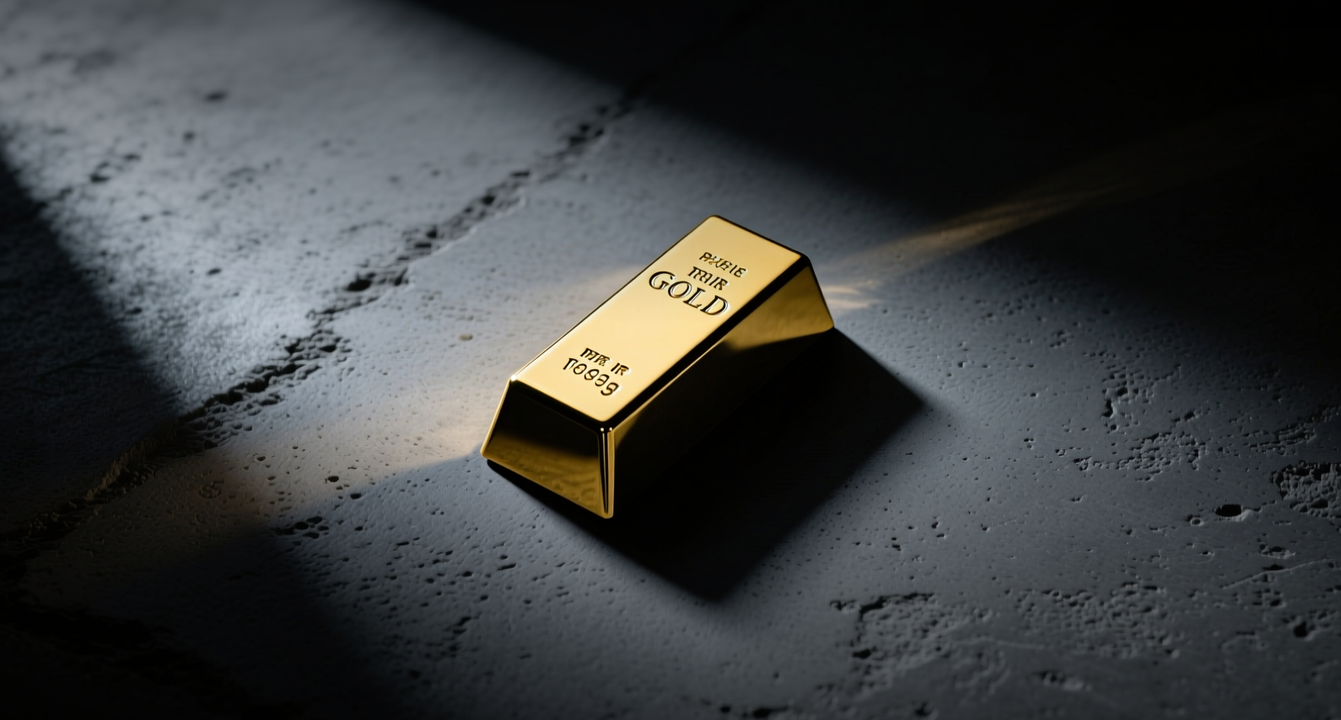
Gold is struggling to hold support above $4,000 per ounce after Commerzbank cut its year-end price forecast for the second time in two months, with the bank saying a recovery is unlikely as long as the war in Iran persists.
"The price downgrade reflects the fact that persistent inflation pressures continue to force the Federal Reserve to maintain a tightening bias," Thu Lan Nguyen, commodity analyst at Commerzbank, said in a report dated July 28. She added that market expectations of rate hikes have become too aggressive, giving gold some room to recover from current lows by year-end.
Commerzbank now expects gold to end 2026 at $4,500 per ounce, down from its revised June forecast of $4,800 and a $5,000 target set earlier this year. The bank also lowered its year-end silver price target to $67 per ounce from $80. The downgrades align with a broader shift among major institutions — Goldman Sachs, Bank of America, HSBC, and JPMorgan have all trimmed near-term gold forecasts during June and July, with revised targets clustering between $4,300 and $4,900.
The Iran conflict has reshaped the macro backdrop for precious metals. Rising oil prices have shifted expectations around Federal Reserve policy, making rate cuts less likely and pushing the central bank toward a more hawkish stance. Nguyen noted that the US, as an energy exporter, benefits from the current energy crisis, with oil exports rising sharply in recent months. Since the outbreak of the war, the dollar has again been regarded as safer than the euro, limiting gold's ability to benefit from safe-haven demand despite heightened geopolitical uncertainty.
Structural drivers remain intact for 2027
Despite the near-term downgrade, Commerzbank maintained its 2027 gold target at $5,000 to $5,200 per ounce. Nguyen said the structural factors that drove gold to record highs earlier this year have not disappeared. Growing skepticism toward the US dollar as a traditional safe-haven asset, driven by unpredictable US policy, continues to support bullion demand. The freezing of Russia's foreign exchange reserves has prompted central banks to accelerate diversification into gold, while mounting government debt across advanced economies has raised concerns about the long-term safety of sovereign bonds.
Nguyen said the Fed is likely to keep interest rates unchanged through the end of 2026 and may begin cutting from mid-2027 as inflation returns to the 2 percent target. "There is potential for the gold price to recover from its current level, as we consider current market expectations of Fed rate hikes to be excessive," she said.
Gold at $4,484 per ounce is roughly 10 percent below its all-time high set earlier this year and about 11 percent above the $4,000 support level that traders are watching as the next major floor. A break below that level could trigger further selling pressure across precious metals, with silver particularly exposed given its higher industrial demand sensitivity to an economic slowdown.
This article is for informational purposes only and does not constitute investment advice.
