
Canada's exports to the US fell 6.6 percent in July, pulling the US share of total shipments to 66.3 percent, the lowest since 1997, as the two countries brace for Canada's September 8 counter-tariffs and Ottawa pivots energy exports toward Asia.
Canada's exports to the US fell 6.6 percent in July, pulling the US share of total shipments to 66.3 percent, the lowest since 1997, as the two countries brace for Canada's September 8 counter-tariffs and Ottawa pivots energy exports toward Asia.
Canada's reliance on the US market has eroded to its lowest level in nearly three decades, with July exports to its southern neighbor falling 6.6 percent and the US share of total shipments sliding to 66.3 percent, Statistics Canada data show.
The decline, the steepest monthly drop since April 2025, was led by a 13.1 percent fall in exports of unwrought gold, silver and platinum-group metals and a 4.4 percent slide in energy shipments, the third straight monthly decrease as oil prices and volumes both weakened. Bloomberg reported the bullion swings may have exaggerated the scale of the pullback, since foreign buyers of Canadian gold reduced purchases and gold prices fell over the month.
Canada's exports to all markets dropped 2.3 percent in July while imports rose 2.2 percent, narrowing the trade surplus to C$769 million (US$557 million). Import growth was driven partly by computer components for data centers, and Canada's purchases from the US had already reached a record in June.
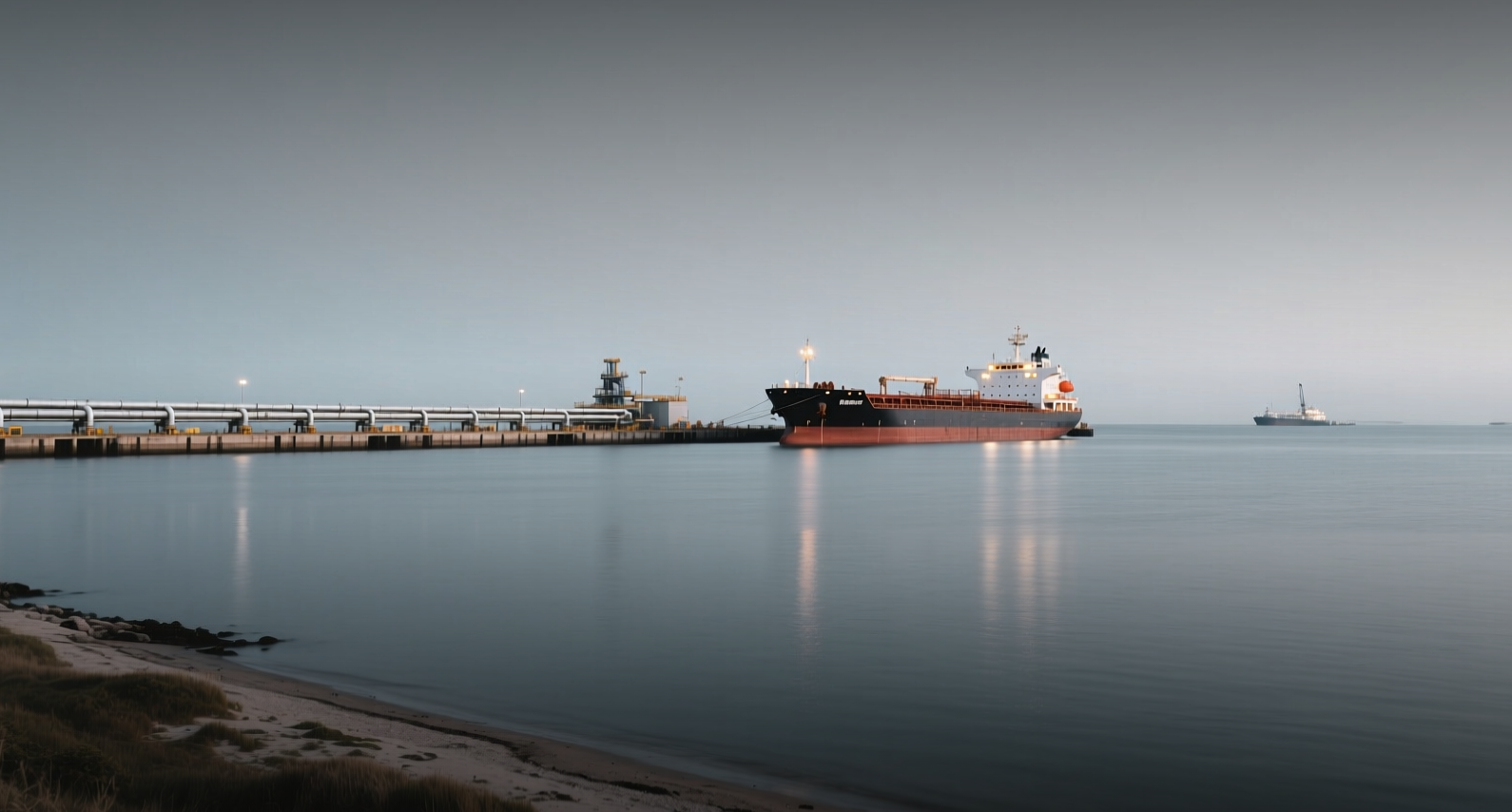
The figures land as the US-Canada trade conflict shifts from rhetoric to structural adjustment. Canada's retaliatory tariffs take effect September 8, and the Carney government has begun steering energy exports toward Asia through a new Trans Mountain pipeline — a sign the two economies are decoupling after decades of deep integration.
Trade talks collapse into a tariff spiral
Negotiations between Ottawa and Washington broke down over the summer, triggering a spiral of retaliation and personal attacks. A 50 percent duty on C$20 billion of Canadian exports to the US took effect Saturday, and Canada has vowed "dollar for dollar" reciprocal tariffs on American goods.
The war of words escalated sharply on August 27, when President Donald Trump signed an executive order renaming Lake Ontario "American Lake" and repeated his claim that Canada has long "exploited" the US. Trump said Washington does not want Canada building cars for the American market, calling tariffs on Canadian-made vehicles "very high." Ontario Premier Doug Ford compared Trump to a "schoolyard bully," drawing a personal rebuttal from the president on Truth Social.
Prime Minister Mark Carney has struck a restrained but firm tone. "When Americans stop posting memes, stop pouring cold water, stop posturing, and sit down seriously to negotiate, we are ready to talk at any time," he said this week.
Pipeline and submarine contracts signal a pivot from Washington
The export data coincide with two decisions Carney's government made in early July that point to a longer-term reorientation. Ottawa named state-owned Trans Mountain to build a new oil pipeline from the Alberta oil sands to ports near Vancouver, aiming to move more energy to Asian buyers and reduce dependence on its largest customer.
At the same time, the government awarded a German-Norwegian consortium the contract to build a new fleet of navy submarines, part of an accelerated defense build-up after Canada's spending recently reached NATO's target of 2 percent of GDP.
The last time the US share of Canadian exports stood this low was 1997, before the North American Free Trade Agreement had fully knitted the two economies together. The September 8 counter-tariffs will test how far the current decoupling can go, with automotive, energy and manufacturing supply chains on both sides of the border exposed to further retaliation if Washington responds in kind.
This article is for informational purposes only and does not constitute investment advice.
