
Key Takeaways:
- Kospi climbs 1.5% to 6,909.81 as Samsung Electronics gains 2%
- Nikkei 225 slips 0.2% to 66,162.72; Hang Seng falls 0.4% to 25,548.83
- Brent crude -0.5% to $86.49/bbl; USD/JPY at 159.38
Key Takeaways:
Asian stocks were mixed Thursday as South Korea's Kospi climbed 1.5 percent while Japan's Nikkei 225 slipped 0.2 percent, after Nvidia's earnings beat and falling oil prices.
"Improving and broadening earnings growth is likely to raise the floor for stocks, and the S&P 500's recent technical breakout to new highs probably raises the ceiling," said Jeff Buchbinder, chief equity strategist at LPL Financial.
The Kospi rose to 6,909.81, with Samsung Electronics gaining 2 percent, while Taiwan's Taiex added 0.5 percent. Japan's Nikkei 225 slipped 0.2 percent to 66,162.72, with SoftBank Group, which invests in OpenAI, edging up 0.1 percent. Hong Kong's Hang Seng lost 0.4 percent to 25,548.83, while the Shanghai Composite rose 0.6 percent to 3,935.99. Australia's S&P/ASX 200 fell 0.9 percent to 9,041.70, and India's Sensex edged down 0.1 percent.
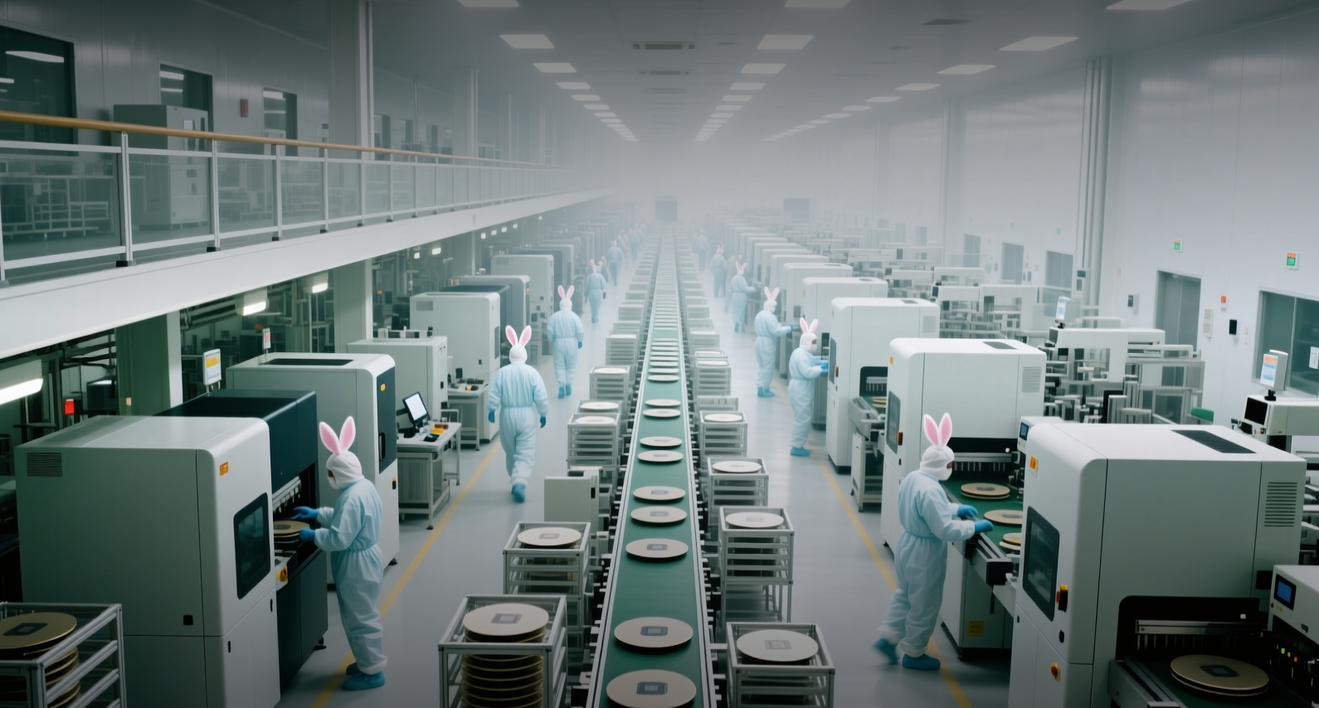
Nvidia, one of the world's most valuable companies, reported after markets closed Wednesday that revenue for its May-July quarter more than doubled from a year earlier, driven by surging demand for its advanced artificial intelligence chips. The results are widely seen as a bellwether for the broader AI and chips industry, though big investments by tech giants have raised concerns among investors over an AI bubble. Japan, South Korea and Taiwan have been among the biggest beneficiaries of the global AI frenzy, with their semiconductor-heavy benchmarks tracking Nvidia's fortunes.
On Wall Street, the S&P 500 fell less than 0.1 percent but remained near record highs, the Dow Jones Industrial Average lost 0.2 percent, and the Nasdaq composite dipped 0.1 percent. Meta Platforms added 1.1 percent after agreeing to pay up to $18 billion and add child-safety measures to Facebook and Instagram to settle claims filed by states over teen social media addiction.
Data released Wednesday showed the U.S. economy grew at a 1.5 percent pace in the April-June period, according to a revised estimate. The inflation measure the Federal Reserve has historically preferred sat at 3.7 percent last month, unchanged from June and above the 3.6 percent economists expected, keeping pressure on the central bank ahead of its September meeting.
China reported that growth in industrial profits slowed in July to 11.2 percent, down from 15.1 percent in June, as the world's second-largest economy contends with soft domestic demand.
Oil prices extended declines as traders weighed reports of a temporary arrangement between Iran and Oman over the Strait of Hormuz. Brent crude, the international standard, lost 0.5 percent to $86.49 per barrel, while benchmark U.S. crude fell 0.5 percent to $81.84. Both had traded around $72 and $80 respectively in late February before the war in Iran began.
The U.S. dollar rose to 159.38 Japanese yen from 159.31 yen, while the euro traded at $1.1655, up from $1.1651.
For investors, the key question is whether the AI-driven rally in Asian tech markets can hold as the Federal Reserve weighs inflation above its 2 percent target against slowing growth. The next data point is Friday's PCE inflation reading, which will shape expectations for the Fed's September 15-16 meeting, where markets price a roughly 64 percent chance of holding rates steady. A hotter-than-expected print would likely push Treasury yields higher and pressure the rate-sensitive tech names that have powered the region's gains.
This article is for informational purposes only and does not constitute investment advice.
