

Apple's first foldable iPhone is producing only a few hundred units daily due to strict quality control standards, far below the tens of thousands needed to meet its 8-10 million unit annual target, risking severe supply shortages at launch.
Apple's first foldable iPhone is producing only a few hundred units daily due to strict quality control standards, far below the tens of thousands needed to meet its 8-10 million unit annual target, risking severe supply shortages at launch.
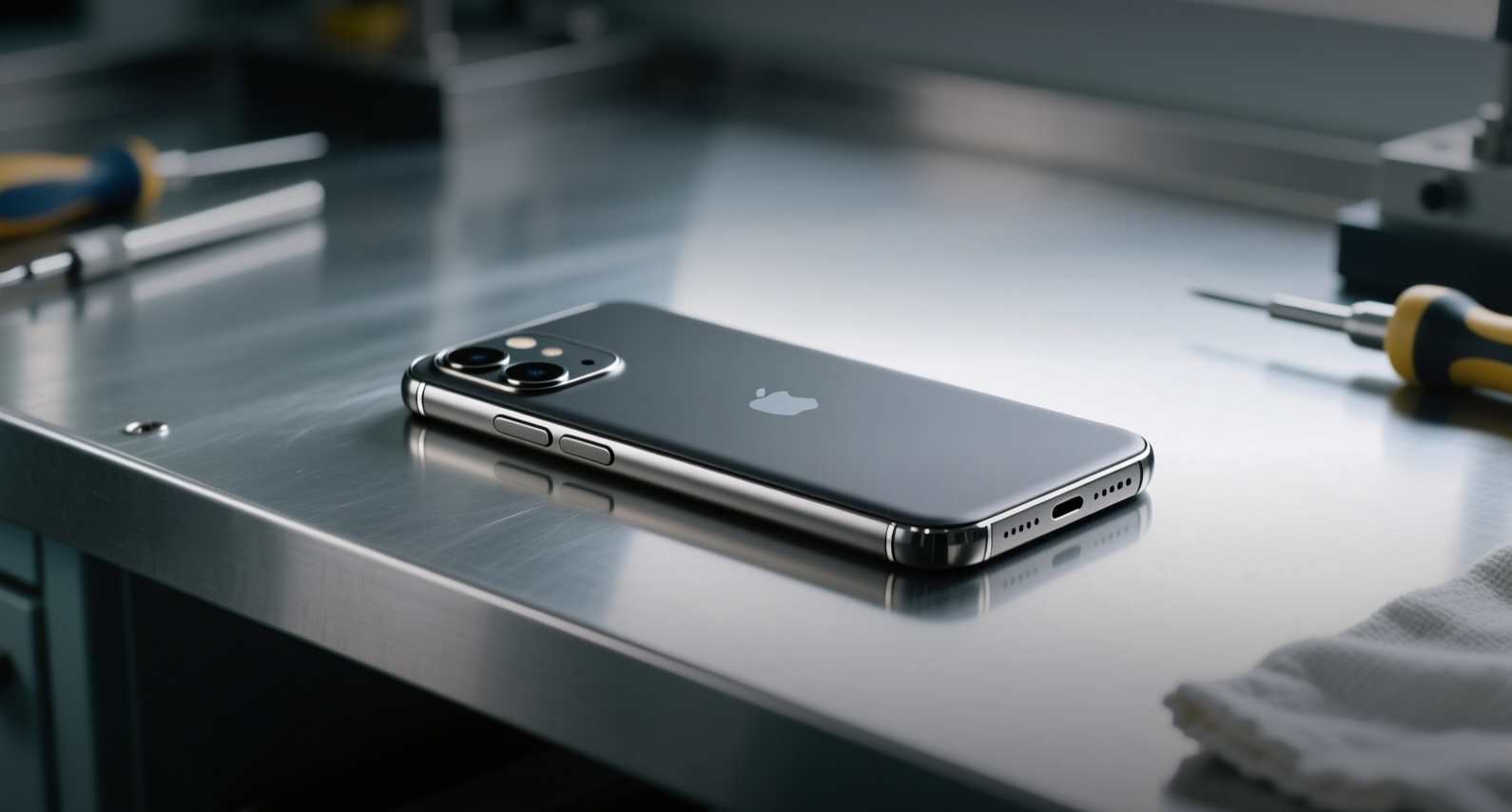
Apple's exacting quality standards have capped foldable iPhone output at a few hundred units a day, a pace that cannot sustain the 8-10 million unit annual production goal and threatens scarce channel stock at launch.
"Production is ramping up slowly, with output currently at only a few hundred units a day in late August. That initial volume could be challenging to meet market demand," a supply chain manager with knowledge of the matter told Nikkei Asia.
Apple added an extra verification process in August before commercial production to ensure the foldable can be mass-produced to its design specifications, pushing back the production timetable by weeks. The quality bar is higher than Samsung's, with more extreme-condition testing, additional folding-cycle tests, and stricter screen flatness requirements. "The surface flatness and the performance of the hinge are among the details where Apple is asking for better production yields," another person with knowledge of the matter told Nikkei Asia.
The bottleneck arrives at a critical juncture. Apple is expected to unveil the foldable — reported as the iPhone Ultra — alongside the iPhone 18 Pro and iPhone 18 Pro Max on September 9. Earlier reports said Apple raised its order to around 10 million units from 7-8 million for the year. If output cannot scale quickly, the device could face a staggered launch with availability initially limited to the United States.
Apple and its suppliers, led by Foxconn, are working around the clock to ramp up daily output, according to Nikkei Asia. But the additional testing and verification procedures have already delayed the commercial production schedule by several weeks. Industry executives say hitting the annual target would normally require producing tens of thousands of units per day — a roughly hundredfold gap from current levels.
The production constraints arrive as the broader smartphone market faces its own headwinds. IDC forecasts global smartphone shipments will fall 16.7 percent this year, driven by an unprecedented shortage of memory and electronic components as AI infrastructure buildouts consume supply. The memory crunch is expected to push average selling prices up about 27.6 percent.
Apple is relatively insulated from the broader component shortage. Its stronger bargaining power with suppliers and higher-end product mix helped lift its global market share to 20.2 percent in the April-June quarter, up from 16.3 percent a year earlier. The company has also concentrated its resources on its three highest-end iPhone models this year, deferring the standard iPhone refresh to next spring.
The foldable represents Apple's biggest hardware bet in years and its first entry into a category Samsung has dominated since 2019. The hinge mechanism and display durability have been the principal engineering hurdles, with Apple demanding yields that exceed what rivals typically achieve in foldable production. The device's screen flatness requirements are particularly strict, reflecting Apple's concern that visible creasing or hinge wear would undermine the premium positioning of its first foldable.
For investors, the production shortfall cuts both ways. Limited supply at launch could drive premium pricing and strong early demand, but it also means the foldable's revenue contribution in its first quarters will fall short of the 8-10 million unit target implies. The device is a key growth catalyst for Apple's fiscal 2027, and any prolonged supply constraint would push meaningful revenue recognition into later quarters. Apple's 20.2 percent global market share and premium mix provide a cushion, but the company's ability to scale foldable output in the coming weeks will determine whether the launch becomes a revenue driver or a supply-constrained disappointment.
This article is for informational purposes only and does not constitute investment advice.
