
Key Takeaways:
- SpaceX's 13th Starship test flight launches July 23, 2026.
- The company's stock trades below its $135 IPO price.
- Starship is critical to SpaceX's $28.5 trillion TAM, including orbital AI data centers.
Key Takeaways:
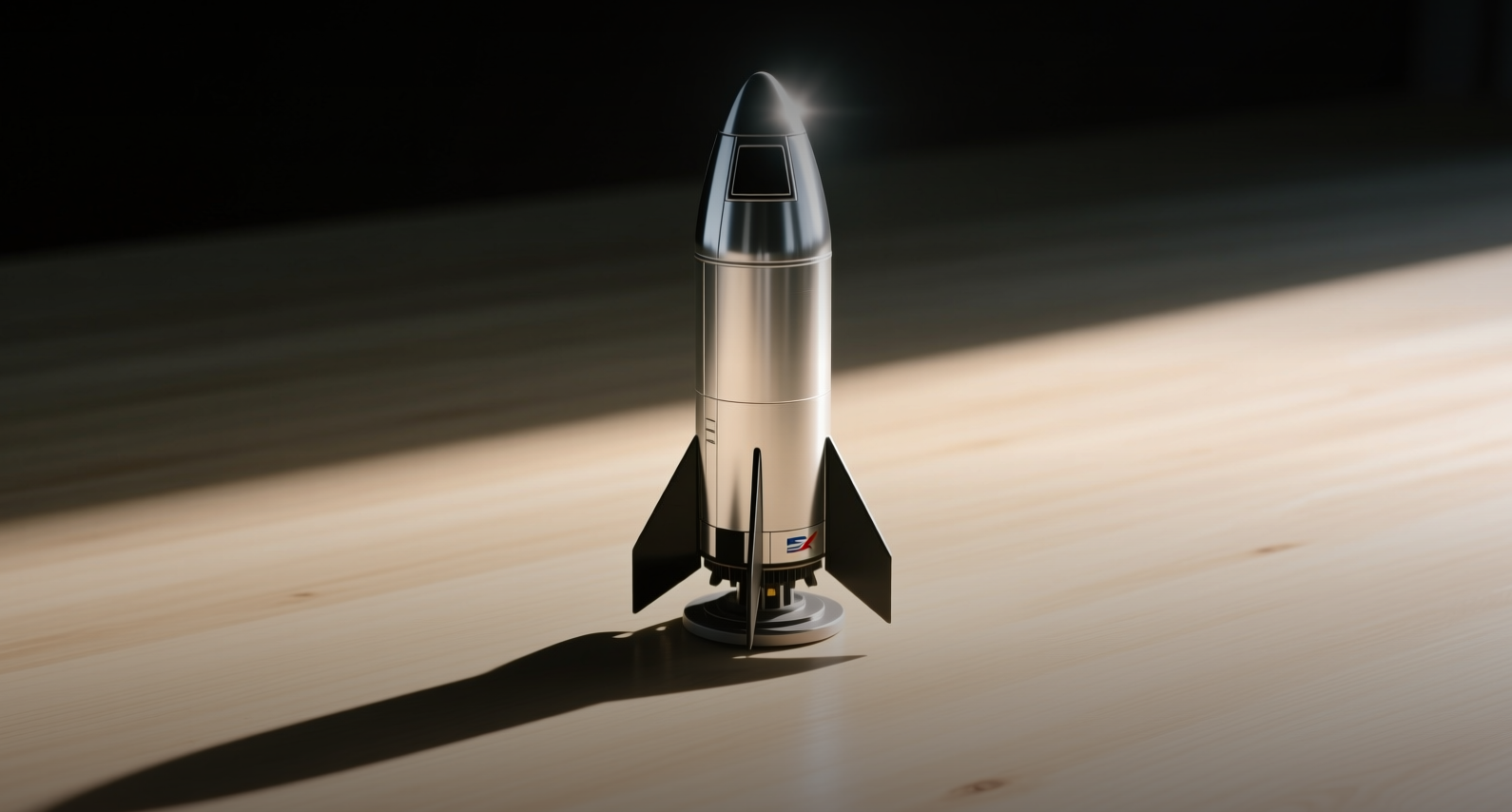
SpaceX's 13th Starship test flight on July 23 carries more than a rocket — it carries the weight of a stock trading below its IPO price and a $28.5 trillion addressable market thesis.
SpaceX is set to launch the 13th test flight of its Starship megarocket on July 23, a mission that could determine whether the company's stock can recover from trading below its $135 initial public offering price. The company completed the largest IPO in history earlier this year, but shares have since fallen under pressure as delays in the Starship timetable weighed on investor sentiment.
"The booster's primary test objective will be executing a successful launch, ascent, stage separation, boostback burn, and landing burn at an offshore landing point in the Gulf of America," SpaceX said in a statement, noting several hardware and software modifications since the previous flight. The company will livestream the attempt via its website.
The test comes as SpaceX faces mounting competition in the heavy-lift launch market. Blue Origin, Rocket Lab and Relativity Space are all pursuing their own rocket systems, while government entities including China's CNSA and India's ISRO have active development programs. SpaceX maintains a cost advantage through vertical integration — it designs, builds and tests nearly all major hardware components in-house, minimizing supplier dependence.
Starship's commercial success is central to unlocking the largest portion of SpaceX's claimed $28.5 trillion total addressable market. The company attributes $26.5 trillion of that opportunity to AI infrastructure, including orbital data centers that could operate on solar energy with lower ambient cooling costs. A fully operational Starship would dramatically improve the economics of getting these systems into space.
The rocket also supports SpaceX's Starlink internet service, which the company values at $1.6 trillion of its TAM. Starship would increase the number of satellites SpaceX can deploy per launch while reducing per-unit costs. By contrast, the company assigns just $370 billion to what it calls "space-enabled solutions" — the direct revenue from commercializing Starship launches themselves.
"We believe we have identified the largest actionable total addressable market in human history," SpaceX said in its IPO prospectus. "We estimate that our quantifiable TAM is $28.5 trillion."
A successful Flight 13 would clear a path toward Starship's full commercialization, putting SpaceX ahead of competitors in both technology and launch economics. A failure, however, risks further pressure on a stock already trading below its debut price. Rocket Lab's Neutron rocket, initially planned for a late 2024 launch, remains in development — a reminder that delays are standard in the industry.
SpaceX shares, trading below the $135 IPO level, reflect a market that has yet to price in Starship's long-term optionality. If the test flight succeeds, the stock could re-rate as investors refocus on the $26.5 trillion AI opportunity that only Starship can unlock at scale.
This article is for informational purposes only and does not constitute investment advice.
