
Six months of war has redrawn global energy trade, pushed inflation to 4.3 percent and lifted the 30-year Treasury yield to its highest since 2007.
Six months of war has redrawn global energy trade, pushed inflation to 4.3 percent and lifted the 30-year Treasury yield to its highest since 2007.
Six months of war has redrawn global energy trade, pushed inflation to 4.3 percent and lifted the 30-year Treasury yield to its highest since 2007.
Six months of war has monetised the Strait of Hormuz, cut Middle East refining capacity by 20 percent and pushed the 30-year Treasury yield to 5.3 percent, the highest since 2007.
The World Bank warned in July that a conflict lasting six months or more could push inflation as high as 4.5 percent, a threshold now within sight as global headline inflation accelerated to 4.3 percent by March from 3.7 percent in January.
The war's economic toll spans multiple asset classes. Brent crude traded at $86.45 per barrel on Wednesday, down from war peaks but still elevated, while the 30-year Treasury yield hit 5.3 percent on August 18, prompting a Treasury intervention. US equities rallied near an all-time high over August 3-4 on ceasefire hopes and AI-driven earnings, even as European markets returned to favour with AI exposure limited to a tenth of the STOXX 600.
The conflict has made the global economy more expensive, less integrated and more security-driven. Energy independence and supply-chain flexibility now matter as much as efficiency, while global public debt at nearly 94 percent of GDP and rising borrowing costs expose the limits of governments' ability to absorb future shocks.
Iranian strikes on Gulf energy infrastructure cut Middle Eastern refining capacity by 20 percent from a pre-war 9.6 million barrels per day. With Russian refining output also down 30 percent following Ukrainian drone strikes, global diesel and gasoline prices are likely to stay elevated, raising transport, manufacturing and household budget costs worldwide. European diesel prices are 70 percent higher than in February.
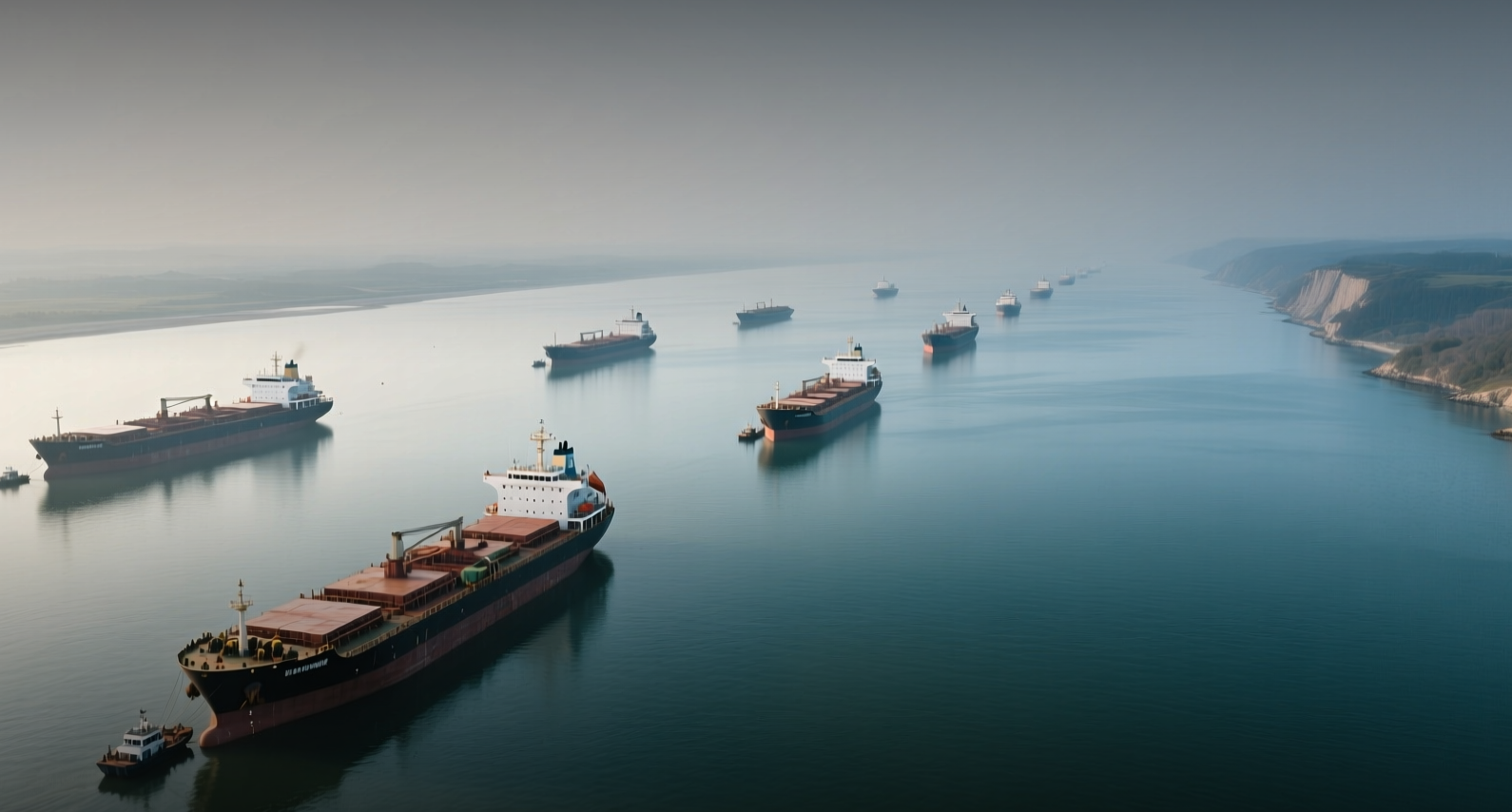
The larger shift lies in the changing economics of geography. Iran has operationalised and monetised the Strait of Hormuz, charging $1 per barrel of oil payable in renminbi or stablecoins — about $2 million per fully laden supertanker. Daily vessel transits fell to an average of 10-13 between February and June, from about 125 before the war. Iran and Oman are now discussing joint management of the waterway, though Tehran says the strait will remain closed until the US meets commitments under the June memorandum of understanding.
Countries that built optionality have gained strategic advantage. Saudi Arabia's East-West pipeline lets Riyadh bypass Hormuz and sustain exports via the Red Sea. The UAE is building a new $3 billion, 300-kilometre parallel line to the Gulf of Oman and exited OPEC in April. China's strategic petroleum reserves are estimated at about 1.2 billion barrels, and its drawdowns shaved about $30 off global Brent prices between February and June. US crude exports rose by 700,000 barrels per day even as global seaborne product trade fell.
The war has accelerated a longer-term trend towards energy self-protection. More than 115 countries have adopted measures to cushion citizens from the war's energy impact, with 94 governments introducing price supports such as fuel subsidies, price caps and tax breaks. Global fossil fuel subsidies are projected to hit $1.1 trillion in 2026, up from $700 billion in 2025.
The conflict has worsened fiscal positions on two fronts, pushing spending up while making borrowing more expensive. European military spending rose 14 percent in 2025 — the fastest pace since 1953 — and Asian allies such as Japan, South Korea and Taiwan raised spending 8.1 percent. Global public debt reached nearly 94 percent of GDP in 2025, and a third of OECD fixed-rate debt is set to mature between 2026 and 2028, locking in higher borrowing costs at today's rates. In emerging markets, higher US yields and a strong dollar raise the cost of servicing dollar-denominated bonds.
The divergence between buoyant equity markets and the fiscal and energy strain building beneath them is unlikely to close painlessly. A more securitised, less co-operative world may leave fewer governments inclined towards the coordinated responses that softened past crises. A military intervention that initially promised to last two to three weeks has already reshaped the global economy, with costs felt well beyond the six-month mark.
This article is for informational purposes only and does not constitute investment advice.
