
Europe's new biometric border system has turned passport control into the summer's biggest travel headache, with waits at major airports doubling to as long as two hours.
Europe's new biometric border system has turned passport control into the summer's biggest travel headache, with waits at major airports doubling to as long as two hours.
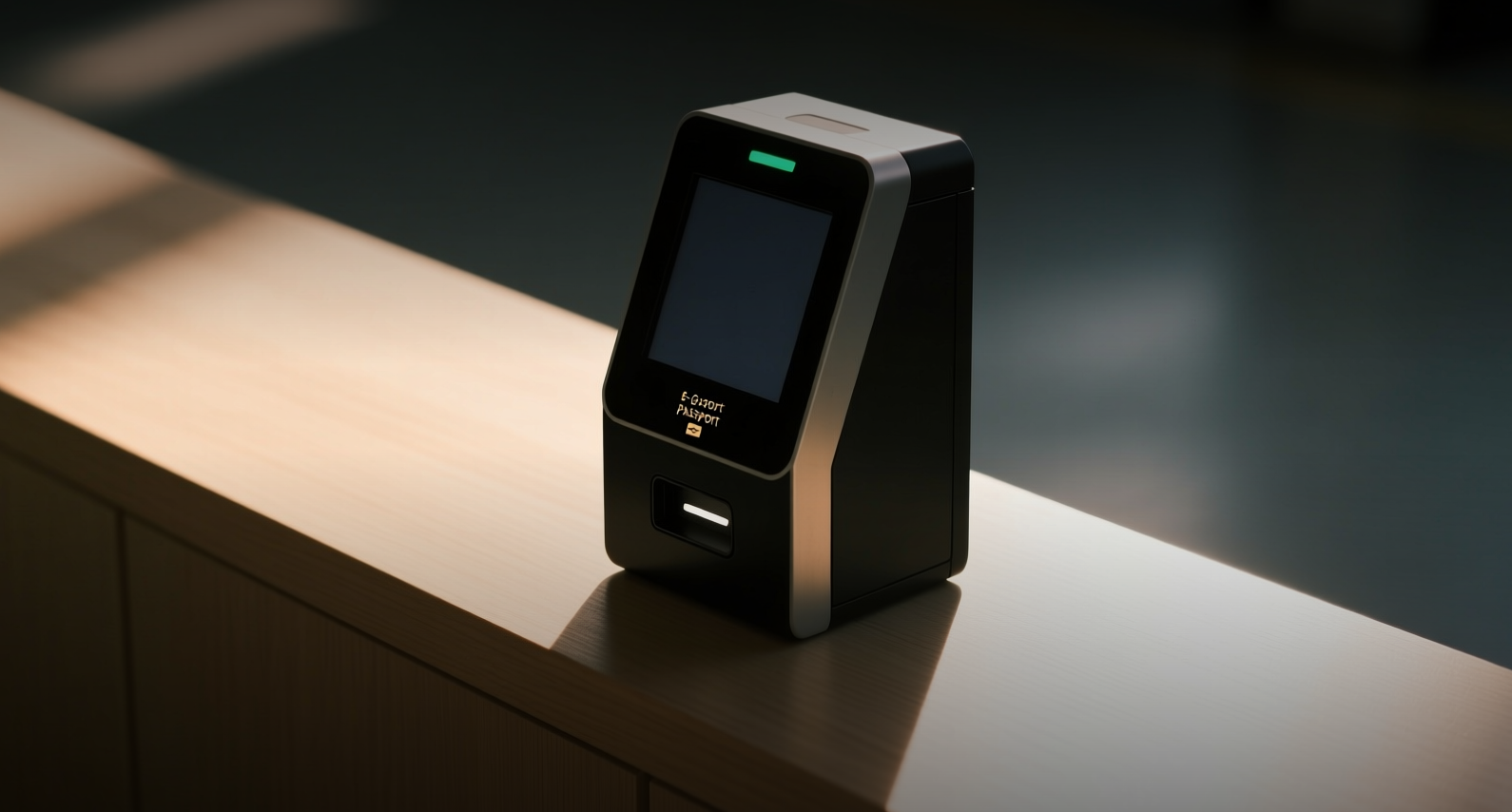
Europe's new biometric border system has turned passport control into the summer's biggest travel headache, with waits at major airports doubling to as long as two hours.
The EU's new biometric border system has doubled peak passport-control waits at major European airports to as long as 120 minutes, straining summer travel through the Schengen area as the bloc weighs easing the checks.
"Only Europeans could invent something so ridiculous," Michael O'Leary, chief executive of Ryanair, told investors last month, as the airline recorded significant queues at around 15 airports.
Data from travel analytics firm Qsensor, cited by the Financial Times, shows maximum waits at Frankfurt reached 120 minutes in July, up from 60 a year earlier. Munich's longest queues rose from 31 to 60 minutes, while Amsterdam jumped from 80 to 120 minutes. The European Commission says average registration takes 70 seconds and has recorded 160 million entries and exits since the system came into operation.
The delays threaten to dent Europe's tourism recovery during peak season, with eight EU member states plus Switzerland asking the Commission to extend exemptions that let airports suspend fingerprint checks when queues become unmanageable. A review is due Sept. 6, and the Commission is in talks over whether to extend the flexibility beyond summer.
The Entry/Exit System, officially rolled out April 10 after a phased launch beginning in October 2025, replaces routine passport stamping with facial recognition and fingerprint registration for most non-EU visitors. It now covers British travelers and other non-EU nationals entering or leaving the 29 Schengen countries, including popular destinations such as France, Italy, Spain and Greece.
The rollout has been marred by technical glitches, staffing shortages and confusion at registration kiosks. Some older travelers' fingerprints are not being recognized, and families with children younger than 12 cannot use the automated e-gates, forcing them into longer manual lines. At Paris Charles de Gaulle, registration kiosks were switched off during a midmorning arrival to manage crowds, according to Wall Street Journal columnist Dawn Gilbertson, who tested the system across Lisbon, Paris and Rome in late July.
Many airports have temporarily suspended fingerprint collection during peak hours to ease pressure, a flexibility due to end in September. The Commission said it is in "close and constructive contact" with the member states facing challenges at specific border crossing points.
The strain extends beyond airports. At the Port of Dover, additional EES procedures contributed to queues exceeding two hours during a busy May travel period, prompting French authorities to temporarily suspend the extra checks. The rules also apply to cross-border train travel, including Eurostar services from London's St Pancras station.
For tourists, the guidance is to arrive earlier than usual and allow extra time for border control. "As waiting times rise, we are seeing growing concern among both British and North American travelers about how long they will have to wait in the queue," said Oliver Maxfield, founder of Qsensor.
The delays have drawn criticism from airline executives. British Airways chief executive Sean Doyle said the system had caused "pressure points" at some airports, while EasyJet's Kenton Jarvis called on airports not using the temporary relaxation measures to show "common sense" and not leave people standing for three hours.
The system does not apply to Ireland, which is outside the Schengen area, and British citizens with qualifying EU residence rights or traveling on an EU passport can be exempted. For those unwilling to risk the queues, VIP escort services such as SkyVIP are marketing fast-track passage, charging $400 for two travelers arriving in Paris over the Labor Day weekend.
The outcome of the September review will determine whether the relief holds. If the Commission extends the exemptions, travelers could see some improvement at the busiest hubs; if not, border delays may remain one of the main frustrations of visiting Europe for the rest of 2026.
This article is for informational purposes only and does not constitute investment advice.
