

Crypto protocols spent $638 million repurchasing their own tokens in 2026, more than the entire prior history of the practice combined.
Crypto protocols spent $638 million repurchasing their own tokens in 2026, more than the entire prior history of the practice combined.
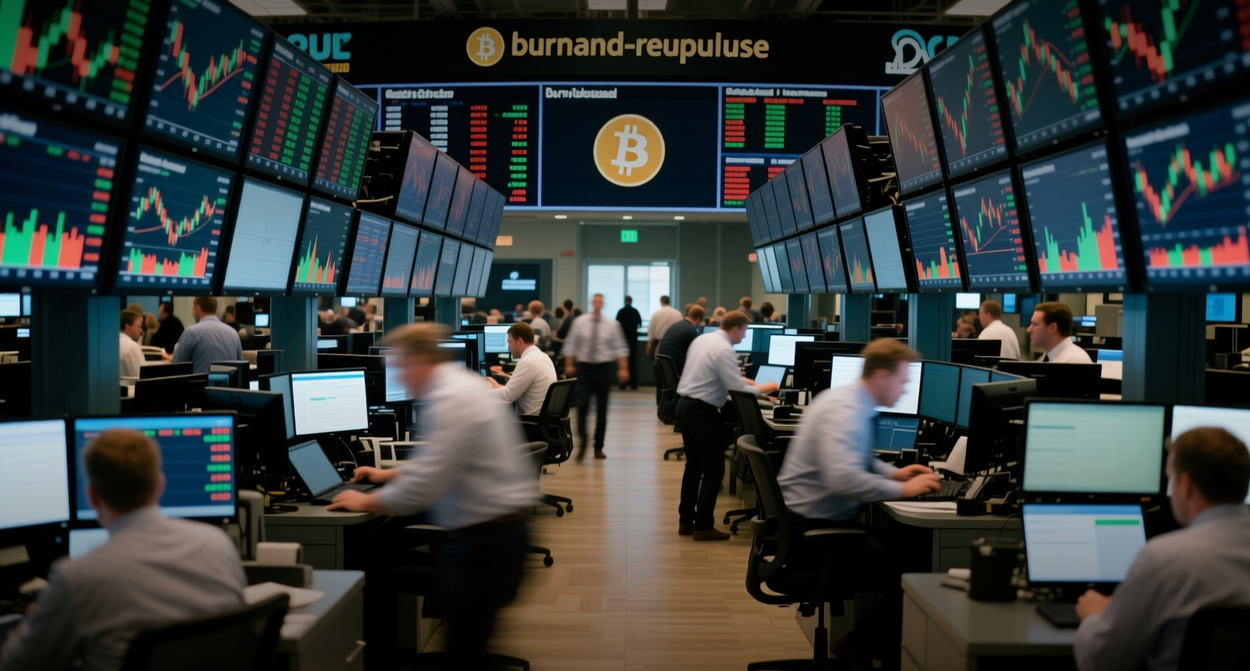
Crypto protocols spent $638 million buying back their own tokens in 2026, up from $545 million in the same period last year, per Allium Labs.
The figure, cited by the Financial Times from blockchain analytics firm Allium Labs, dwarfs the $366,000 spent across all of 2024, when token buybacks were virtually nonexistent.
Hyperliquid and pump.fun account for nearly 90 percent of the 2026 total, according to Allium Labs data.
The surge reflects a structural shift: protocols are hardcoding supply-compression into smart contracts, making buybacks automatic rather than discretionary, and a more accommodating US regulatory environment has given treasury teams confidence to deploy capital.
Hyperliquid's $1.3B buyback engine
Hyperliquid, a decentralized perpetuals exchange on its own layer-1, routes approximately 99 percent of trading fees into an Assistance Fund that continuously buys and burns HYPE on the open market. The protocol has repurchased between $1.1 billion and $1.3 billion in HYPE since its late-2024 launch — more than the entire crypto industry spent on buybacks in 2024 by a factor of roughly 3,000.
HYPE traded near $63.35 on Aug. 31, up approximately 70 percent over the past year, according to the Financial Times. The token's sustained demand has been attributed to the consistency of the buyback program, though trading growth and user activity also contributed.
Pump.fun's slower, messier conversion
Pump.fun, the Solana-based memecoin launchpad, allocates 50 percent of net revenue to open-market repurchases of PUMP through a locked smart contract, a mechanism adopted in April 2026. The platform spent approximately $5.02 million buying and burning 2.15 billion PUMP in the week ending Aug. 9, with cumulative buybacks exceeding $400 million by mid-2026.
PUMP traded near $0.0015 on Aug. 31. The token's performance shows buybacks do not guarantee price support — in July, the platform distributed $86.49 million in vested PUMP to 121 team and investor wallets, working against the supply reduction.
Sky Protocol, the DeFi lending platform formerly known as MakerDAO, executed $26 million in SKY buybacks during 2026 through its Smart Burn Engine, which uses protocol surplus to purchase tokens from the open market. Governance reduced the buyback rate in March by lowering individual purchase sizes and lengthening transaction intervals.
Lido's proposed NEST framework would activate buybacks when annualized revenue exceeds $40 million, allocating 50 percent of staking revenue above that baseline to LDO purchases with a $50,000 daily limit and a $10 million rolling 12-month cap. These remain governance parameters rather than guaranteed commitments.
Token buybacks follow the same supply-compression logic as corporate share repurchases, but with a key difference: crypto protocols can encode the behavior into smart contracts, making it automatic. However, governance tokens do not necessarily provide ownership, dividends, or legal claims over protocol assets, and repurchased tokens may be held, burned, or redistributed depending on the program's design.
The next test is whether fee revenue remains strong enough to fund purchases during weaker trading periods. Investors should also track whether repurchased tokens are burned or held, and compare annual purchases against new emissions and insider unlocks.
This article is for informational purposes only and does not constitute investment advice.
